


Start With The Right Cookware
One of the easiest changes to make is switching to a good non-stick or well-seasoned cast iron pan. Traditional steel or aluminium utensils often require more oil to prevent food from sticking and burning, especially when making dry sabzis like bhindi
or aloo gobi. A quality non-stick pan creates an effective barrier, allowing you to sauté onions, tomatoes, and spices with as little as a teaspoon of oil. This single upgrade can reduce your oil usage by 60-70% for everyday cooking, making it a worthwhile investment for both your budget and health.
Measure, Don't Pour
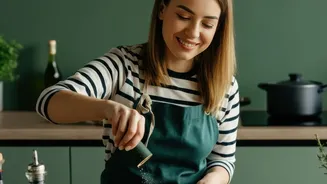
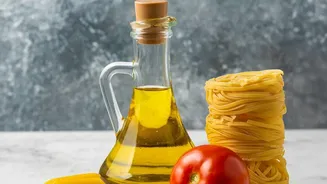
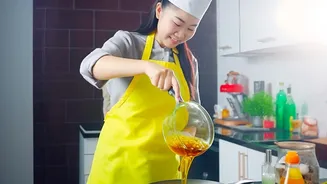
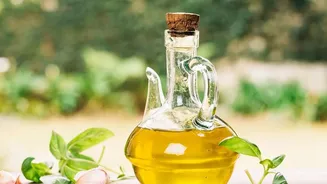
It's a common habit to pour oil directly from the bottle into the pan, which often leads to using far more than necessary. A single tablespoon of oil contains around 120 calories, and many curries can unintentionally start with three or four tablespoons. To gain control, start measuring your oil with a spoon. For even greater reduction, consider using an oil spray bottle. A quick spray can coat your entire pan with a fine mist, using less than half a teaspoon of oil but still providing the even cooking surface you need.
Master the Art of 'Bhuna' with Water
The process of 'bhuna' or sautéing the masala base is crucial for flavour, but it's often where excess oil is added. When you see the masala sticking to the pan, the instinct is to add more oil. A healthier and equally effective technique is to deglaze the pan with a splash of water or vegetable broth. This not only prevents sticking but also helps the onions, tomatoes, and spices cook down evenly, creating a rich, flavourful base without the extra fat. For dishes like egg curry or rajma masala, adding water in small increments while stirring creates a smooth gravy with incredible depth.
Rethink Your Tadka Technique
The final tempering, or tadka, is essential for the aroma and taste of many Indian dishes, particularly dal. However, it doesn't need to swim in oil. One powerful trick is to dry-roast your whole spices like cumin, coriander seeds, and mustard seeds in a hot pan before grinding or adding them to the dish. This process blooms the spices and releases their aromatic essential oils without any fat. When you do make the tadka, using just one teaspoon of hot oil or ghee is often enough to make the spices pop and release their final burst of flavour.
Explore Alternative Cooking Methods
Many of our favourite snacks and side dishes, from samosas and pakoras to koftas, are traditionally deep-fried. Today, modern kitchen appliances offer fantastic, healthier alternatives. An air fryer can make snacks like samosas, tikkis, and kebabs wonderfully crisp with just a light brushing of oil, reducing fat by up to 80%. Similarly, baking or roasting vegetables like brinjal or bhindi in an oven before adding them to a curry imparts a beautiful flavour and texture without soaking them in oil first. Even centuries-old methods like steaming are perfect for oil-free dishes like dhokla and idli.
Use Natural Thickeners and Finishers
Instead of relying on oil for richness in gravies, turn to natural, healthy thickeners. A paste of cashews or almonds can add a luxurious, creamy texture to dishes like korma or paneer butter masala. Pureed pumpkin, boiled lentils, or even a bit of roasted besan (gram flour) can also thicken curries while adding nutrients. Finally, instead of a final drizzle of oil or ghee, finish your dish with a burst of fresh flavour. A generous sprinkle of fresh coriander, a squeeze of lemon juice, or a pinch of kasuri methi can elevate the taste and aroma, making the dish feel bright and satisfying without any extra fat.