


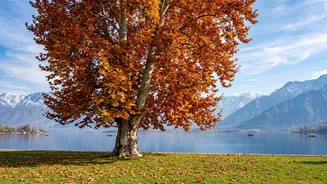
The Post-Monsoon Paradox
September and October are often touted as the 'golden window' for Himalayan travel. The rains have subsided, washing away the dust and leaving behind stunningly green valleys, clear skies, and spectacular mountain views. The weather is typically pleasant,
avoiding the peak summer heat and the harsh winter cold. However, this idyllic picture can be misleading. The tail end of the monsoon and the weeks immediately following are a period of transition. While the downpours may have stopped, the ground remains saturated, making slopes unstable and increasing the risk of landslides and rockfalls, which can block roads for hours or even days. The danger doesn't always vanish with the clouds.
Heed Official Weather Alerts
Your first and most crucial checkpoint should be the India Meteorological Department (IMD). The IMD uses a simple colour-coded system to issue warnings about potential weather hazards. A 'Green' alert means all is well, but a 'Yellow' alert means you should 'be aware' and stay updated, as conditions might worsen. An 'Orange' alert is a serious warning to 'be prepared' for disruptions like traffic jams, waterlogging, and potential travel delays. A 'Red' alert means 'take action' and signifies a significant threat to life and property; all non-essential travel should be avoided. Before you even pack your bags, check the IMD alerts for your destination and the entire route. If an Orange or Red alert is active, the decision is simple: delay your trip.
Check Real-Time Road Conditions
A clear weather forecast for your destination doesn't guarantee clear roads to get there. Highways in Himalayan states like Himachal Pradesh and Uttarakhand are frequently blocked by landslides, falling boulders, or washed-out sections, especially after heavy rains. Recent reports from the long weekend in early October 2026 showed massive traffic jams on routes to Shimla and Badrinath, not due to weather, but sheer volume of tourists. A journey that should take hours can turn into a day-long ordeal. Before leaving, search for recent news reports, check state police traffic updates on social media, and use navigation apps with live traffic features. If you see multiple reports of road blockages or hours-long jams on your intended route, it is a strong signal to postpone.
When 'Green' Scenery Hides Red Flags
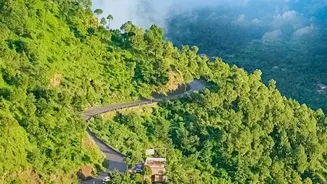
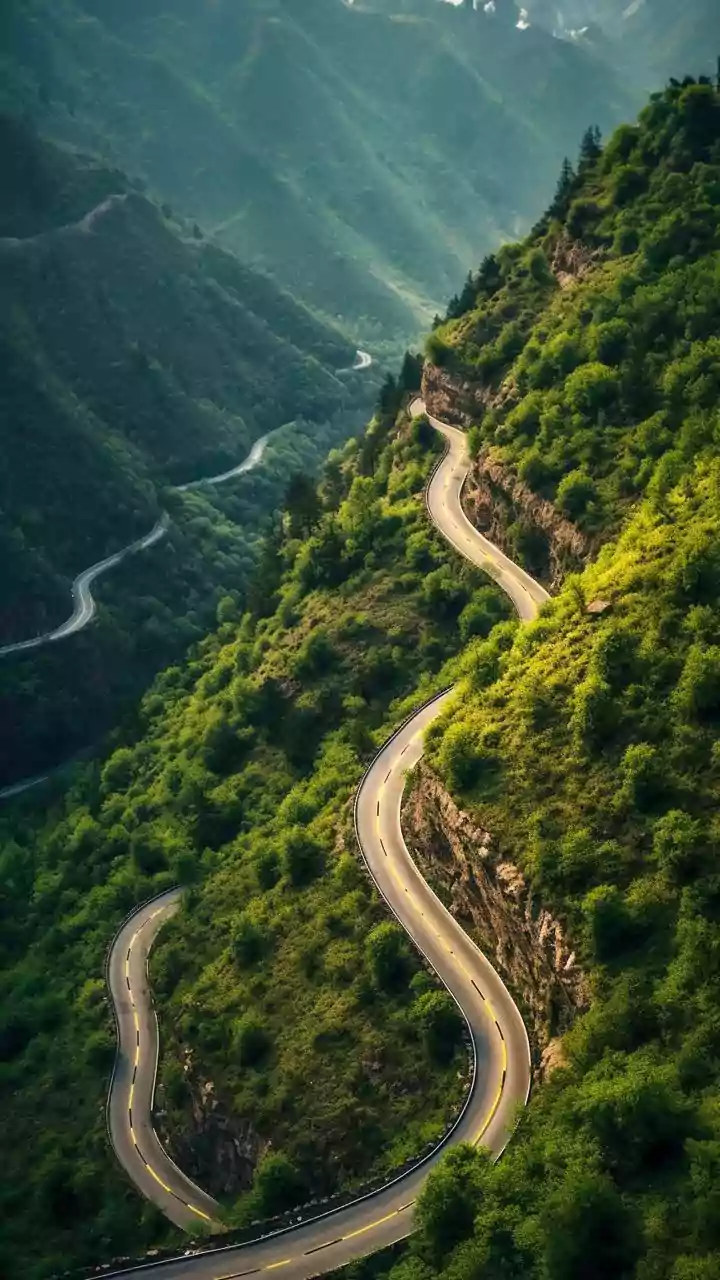
The very beauty of the post-monsoon season—the deep green saturation of the hills—is also a sign of potential danger. Soil and rock have been absorbing water for months, and even without active rainfall, the ground can be dangerously unstable. A phenomenon known as a 'debris flow' or landslide can occur on a perfectly sunny day if the underlying soil is waterlogged and gives way. These events are common on roads carved into hillsides. Pay attention to local news about minor slips. If you hear about frequent small-scale landslides in the region you plan to visit, it’s a sign that the larger area is unstable. These are often precursors to larger, more dangerous events.
Consult Your Local Contacts
There is no substitute for on-the-ground intelligence. If you have a booking, call your hotel owner or homestay host a day or two before your trip. Ask them directly about the local conditions. Are the roads clear? Is there any lingering disruption from the recent rains? How is the traffic situation? Local drivers, who navigate these roads daily, are another invaluable source of information. They will have the most current and practical knowledge, often more so than a generalized weather report. If the local advice is to wait a few days, listen to them. Their priority is often your safety, as disruptions and stranded tourists are bad for business and the community.