



Day 1: Royal Forts and Lakeside Views
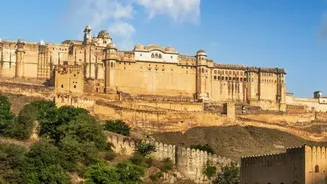
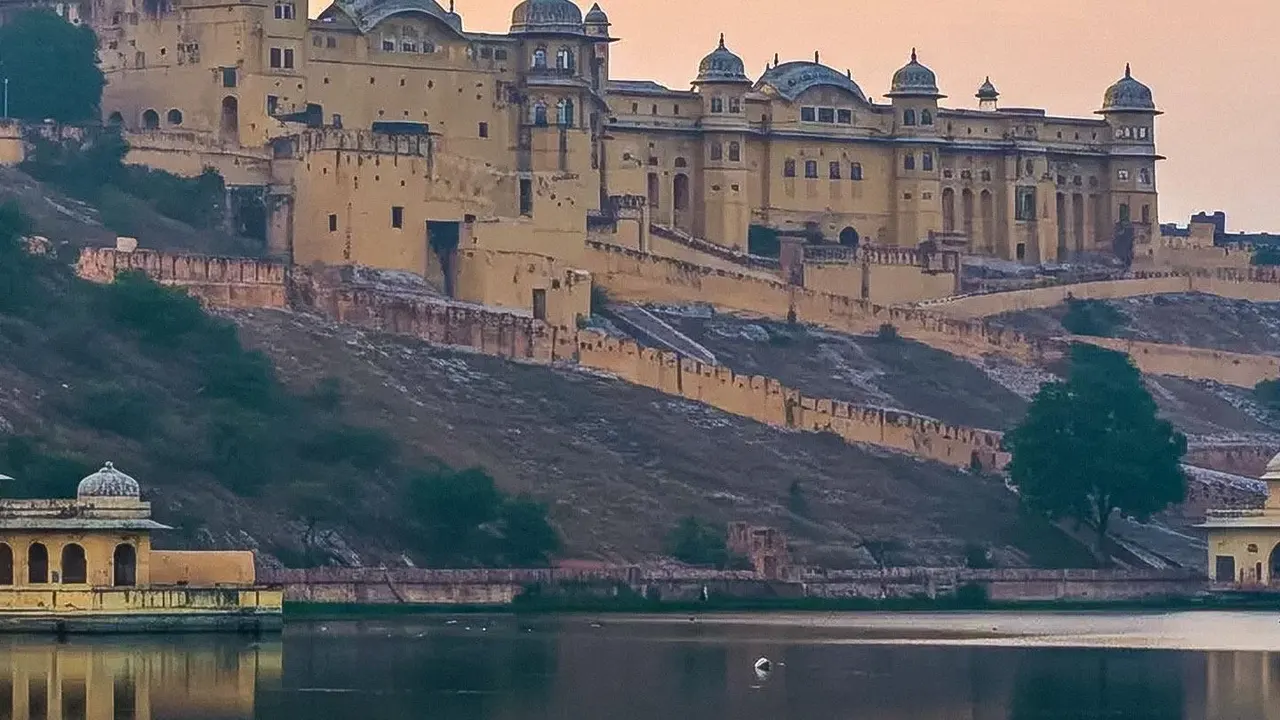
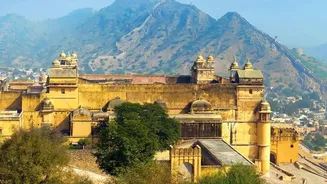
Begin your Jaipur journey early to catch the soft morning light at Amer Fort, a sprawling sandstone and marble palace located just outside the city. Arrive around its 8:00 AM opening to avoid the largest crowds that gather by mid-morning. Allow at least
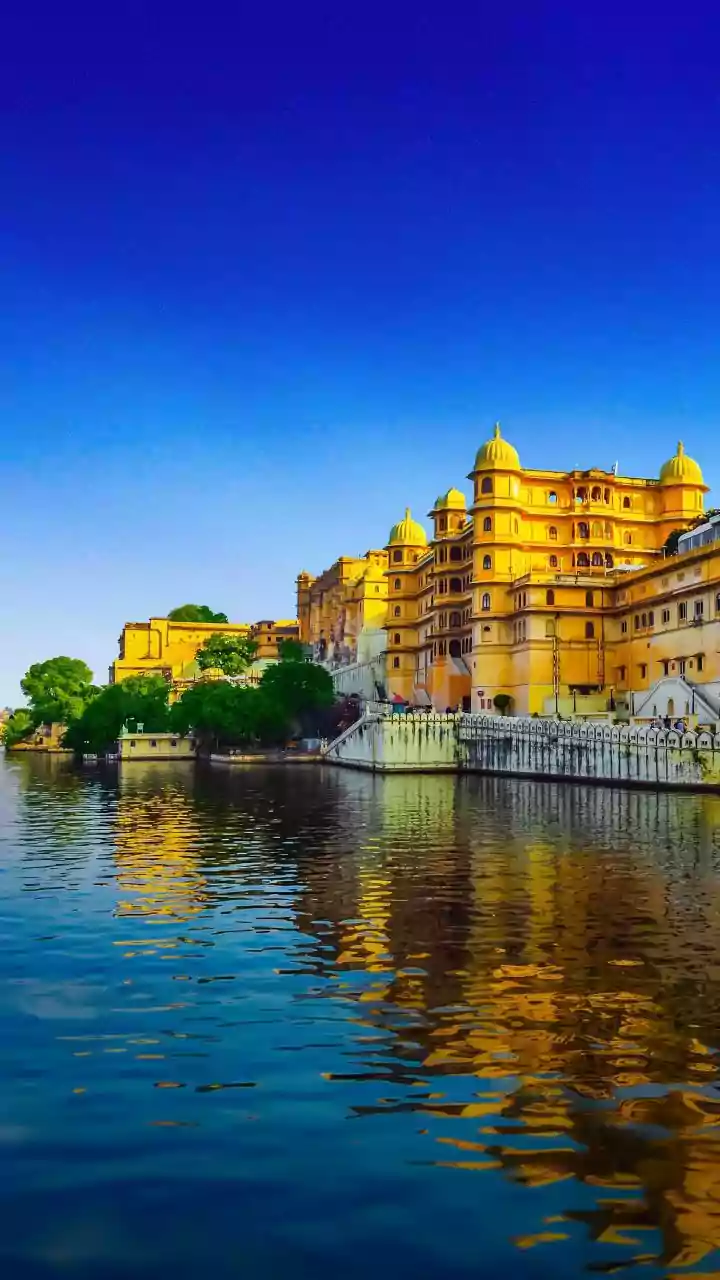
two to three hours to wander through its vast courtyards, intricate halls like the Sheesh Mahal (Mirror Palace), and along the ramparts offering stunning views. A short walk or drive from Amer leads to Panna Meena Ka Kund, a beautifully symmetrical stepwell perfect for photographs. For the afternoon, visit the connected Jaigarh Fort, built to protect Amer. It houses one of the world's largest cannons on wheels and provides a more rugged, military perspective on Rajput architecture, along with panoramic views of the Aravalli hills and Amer below. As evening approaches, make a brief stop at Jal Mahal, the 'Water Palace' that appears to float on Man Sagar Lake, to capture photos as the sun begins to set. Conclude your day with a traditional Rajasthani dinner at a restaurant in the city, preparing for a deep dive into the walled city tomorrow.
Day 2: The Heart of the Pink City and Jewelled Lanes
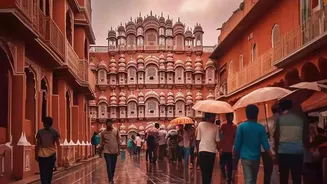
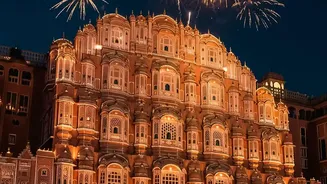
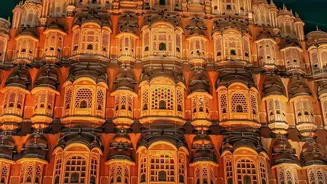
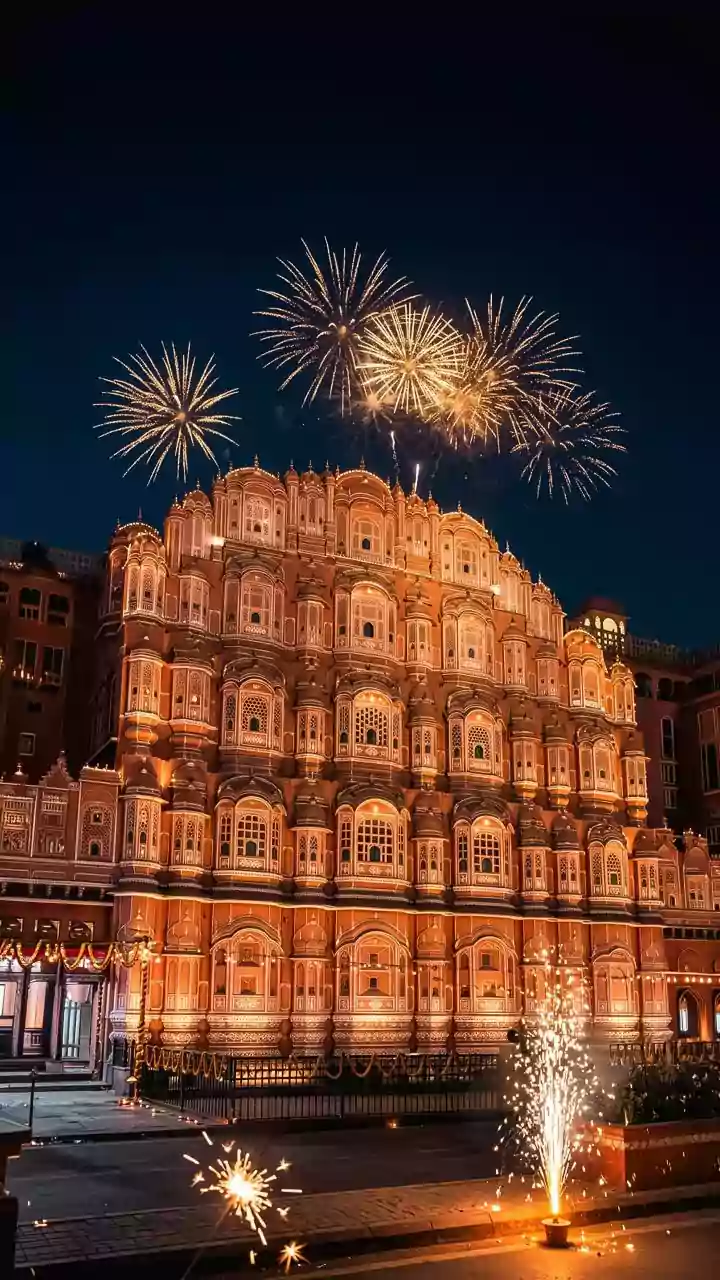
Dedicate your second day to the historic core of the walled city. Start at Hawa Mahal, or the 'Palace of Winds'. While its iconic five-storey façade with 953 windows is best photographed from across the street in the morning light, it's worth stepping inside to see the latticed screens through which royal women once observed street festivities. From there, it's a short walk to the City Palace complex, which is still partially a royal residence. Explore its museums showcasing royal costumes and armoury, and don't miss Pritam Niwas Chowk with its four exquisitely painted gates representing the seasons. Adjacent to the palace is Jantar Mantar, a UNESCO World Heritage site featuring a collection of 19 colossal astronomical instruments built in the 18th century. After a morning of history, immerse yourself in the dazzling chaos of Johari Bazaar. This market is Jaipur's epicentre for jewellery, famous for everything from precious gemstones to Kundan and Meenakari work. Even if you're just browsing, the energy of the market, with its hundreds of shops, is an essential Jaipur experience.
Day 3: Sunset Views and Bazaar Bargains
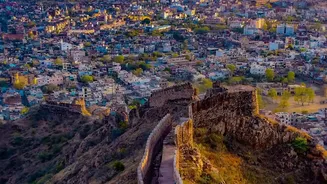
On your final day, head to Nahargarh Fort, perched high on the Aravalli ridge overlooking the entire city. While it's a popular spot for sunset, a morning visit can also be rewarding, offering clear, panoramic views of Jaipur's layout. Some outer sections and the stepwell are accessible even before the main fort opens at 10 AM. Spend the rest of the day exploring more of Jaipur's famous markets. Head to Bapu Bazaar, known for its vibrant textiles, leather mojari footwear, block-printed fabrics, and affordable souvenirs. It's a fantastic place to bargain for Jaipuri quilts (razais), colourful puppets, and traditional Rajasthani garments. The adjacent Linking Road is excellent for chic junk jewellery. You can easily walk between Bapu Bazaar and Johari Bazaar, allowing you to cover both on the same day if you wish.
A Taste of Jaipur: Essential Eats
No trip to Jaipur is complete without indulging in its rich culinary scene. For a quintessential Rajasthani experience, try Dal Baati Churma, a hearty dish of baked wheat balls served with lentils and a sweet crumble. For a quick and iconic snack, head to a local stall for Pyaaz Kachori, a deep-fried pastry filled with a spicy onion mixture, famously served at Rawat Mishthan Bhandar. Meat-eaters can seek out Laal Maas, a fiery mutton curry that is a local specialty. For dessert, don't miss Ghewar, a disc-shaped sweet soaked in syrup, often found at Laxmi Mishthan Bhandar (LMB) in Johari Bazaar. And to quench your thirst, grab a thick enough lassi from a traditional shop like Lassiwala on MI Road, served in an earthen cup.