






Embrace High-Intensity Interval Training (HIIT)
One of the most efficient ways to exercise indoors is through High-Intensity Interval Training, or HIIT. These workouts involve short bursts of intense exercise followed by brief recovery periods. A simple 15-20 minute session can boost your heart rate,
build muscle, and burn calories effectively. You don't need any special equipment; your own body weight is enough. A typical routine could include jumping jacks, squats, high knees, and planks. The best part about HIIT is its versatility and time efficiency, providing significant cardiovascular benefits in a fraction of the time of a longer, moderate-intensity workout.
Find Your Flow with Yoga and Pilates
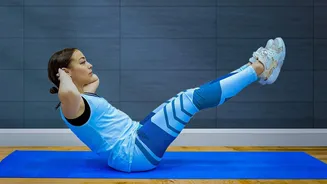
Gloomy, overcast days are perfect for turning inward with practices like yoga and Pilates. Yoga is excellent for improving flexibility, strength, and mental well-being, requiring only minimal space. It combines physical postures with breath control and meditation, helping to reduce stress and enhance balance. Pilates focuses on core strength, flexibility, and overall body conditioning. Both practices are low-impact, making them gentle on the joints while still being highly effective for toning muscles. Numerous online videos and virtual classes can guide you through routines, whether you're a beginner or an experienced practitioner.
Turn Your Home into a Dance Floor
Who said workouts can't be fun? Dancing is a fantastic and joyful way to get your cardio in without feeling like a chore. Putting on your favourite music and moving freely can be a great mood booster on a dreary day. For a more structured approach, consider online Zumba or Bhangra tutorials. These high-energy dance workouts are known to improve cardiovascular fitness, coordination, and burn a significant number of calories while you're having a blast.
Master Bodyweight Strength Training
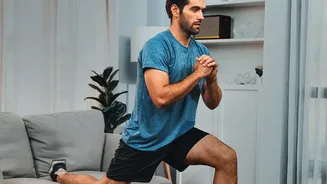
You don't need a gym full of weights to build strength. Bodyweight exercises are incredibly effective for working major muscle groups and can be done anywhere. Foundational movements like push-ups, squats, lunges, and planks are staples for a reason—they build functional strength that supports everyday activities. You can make them more challenging as you get stronger. For example, if regular push-ups are too difficult, start with wall push-ups. If you have stairs at home, use them for calf raises or step-ups to target your lower body.
Create a Safe and Motivating Workout Space
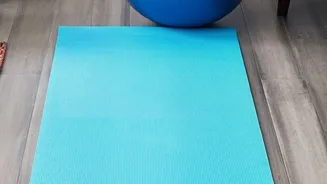
Exercising at home comes with its own set of challenges, from motivation to safety. To stay consistent, try scheduling your workouts as you would any other appointment. Creating a dedicated workout space, even if it's just a small corner, can help you get into the right mindset. Ensure the area is well-lit and ventilated to prevent falls and overheating, especially as humidity can make exercise feel more strenuous. It's also important to warm up before each session to prepare your muscles and reduce the risk of injury. Listening to a workout playlist or exercising with a virtual buddy can also help keep your motivation high.