



Your Millet Starter Guide
Before you start cooking, it helps to know your grains. Millets are not one single grain but a family of small-seeded grasses. The most common varieties in Indian kitchens are Ragi (Finger Millet), Jowar (Sorghum), and Bajra (Pearl Millet). Ragi is a powerhouse
of calcium, Jowar is packed with protein and fibre, and Bajra is rich in other minerals. When shopping, look for unpolished or semi-polished millets, as they retain more nutrients. Trustworthy sellers are often transparent about where their millets are sourced. A crucial first step before cooking is to rinse the millets thoroughly and soak them for at least a few hours. This process makes them easier to digest and helps your body absorb their nutrients more effectively.
A Taste of the West: Jowar and Bajra
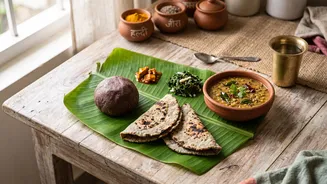
The arid regions of Western India, particularly Rajasthan and Maharashtra, have a long and rich tradition of cooking with Jowar and Bajra. Jowar Roti, also known as Jolada Rotti in Karnataka, is a gluten-free flatbread cherished for its rustic flavour. Bajra Roti is another staple, especially popular during winter. Beyond flatbreads, Rajasthan offers Bajre ki Khichdi, a comforting one-pot meal made with pearl millet and lentils, perfect for cold days. Another regional speciality is Raab, a wholesome drink from Marwad made with either Jowar or Bajra flour and yogurt, which can be served cool in summers or as a warm soup in winters. From Maharashtra comes Thalipeeth, a savoury multigrain flatbread that often includes millet flours, spices, and vegetables.
Southern Comfort: The Power of Ragi
In Southern India, particularly Karnataka, Ragi is a celebrated staple. The most iconic dish is Ragi Mudde, steamed balls made from ragi flour and water. These dense, nutritious balls are traditionally swallowed, not chewed, with a spicy curry or sambar. Ragi is incredibly versatile and is also used to make healthy versions of popular breakfast dishes. You can find recipes for soft Ragi Idli, crispy Ragi Dosa, and nourishing Ragi Malt, a porridge-like drink popular across the South. The grain's natural properties make it a favourite for those seeking food that is both filling and easy to digest.
Exploring Other Grains and Dishes
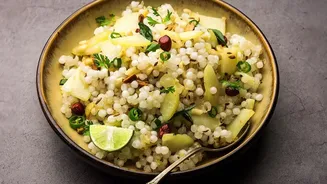
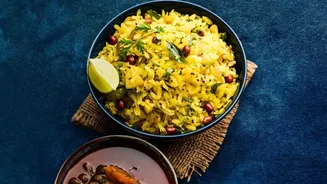
Your exploration doesn't have to stop with the big three. Other millets offer unique textures and flavours. Foxtail millet (Kangni) is a great substitute for rice and can be used to make dishes like Pulao or Upma. Barnyard millet, or 'samak rice', is light and often used in fasting recipes like pulao and khichdi. Little millet (Kutki) is another excellent choice for porridges. You can easily adapt familiar recipes by substituting rice or semolina with these millets. For example, a simple Upma can be made with Little Millet, or a flavourful Pongal can be prepared using Barnyard Millet. The key is to start simple and experiment with one millet at a time to get accustomed to its taste and texture.









