






The Habit Revealed: Strategic Meal Planning
The single most effective habit for slashing your grocery bill is meal planning. This isn't about rigid, boring diets. It's the simple act of deciding what you're going to eat for a set period—say, the next week—before you set foot in a store. By creating
a roadmap for your meals, you transform your grocery run from a spontaneous, expensive adventure into a targeted, cost-effective mission. It's a proactive approach to managing your kitchen and your budget, turning chaotic last-minute decisions into a calm, organised process.
Why It Slashes Your Bill
How does this simple act of planning save so much money? The magic lies in eliminating three major budget-killers: impulse buys, food waste, and expensive takeaways. When you shop with a list based on a plan, you're no longer tempted by that shiny new snack or an ingredient you don't need. You buy only what's required for your planned meals. Furthermore, meal planning forces you to use what you already have. That half-used jar of paste or those vegetables in the back of the fridge become the star of a meal instead of forgotten waste. Over time, this conscious consumption prevents you from throwing away money in the form of expired or spoiled food, which is one of the biggest hidden costs in any household.
Step 1: The Kitchen Audit
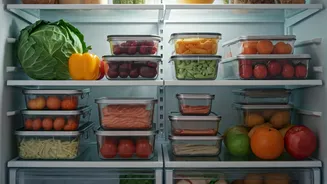
Before you even think about what to cook, shop from your own home. Take 15 minutes to do a quick inventory of your fridge, freezer, and pantry. What needs to be used up this week? That half-full bag of dal, the nearing-expiry-date paneer, the bunch of spinach that's starting to wilt—these are your starting points. Your first few meals of the week should be designed around these ingredients. This 'first in, first out' approach is the cornerstone of minimising waste. Make a quick list of these priority items; they will form the foundation of your meal plan.
Step 2: Map Your Meals
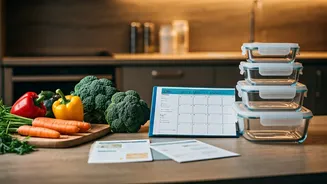
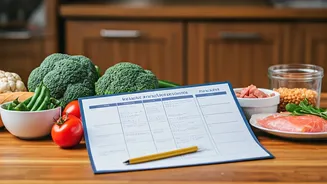
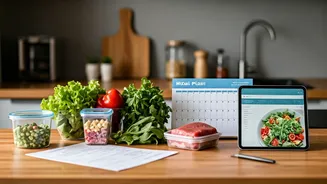
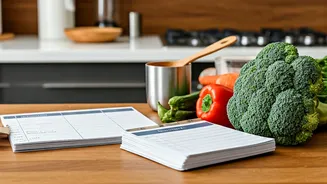
Now, grab a piece of paper, a notebook, or use a simple app. Looking at your schedule for the upcoming week, pencil in meals. If this feels overwhelming, start small. Just plan your dinners for the next five days. Be realistic. If you know Wednesdays are always hectic, plan for a quick 20-minute meal or leftovers. Involve your family to get buy-in and ideas. As you assign meals to days, refer back to your inventory list. The goal is to slot in those 'must-use' items first. Once those are planned, fill in the gaps with other simple, favourite recipes. Don't forget to plan for snacks if you're prone to buying them on impulse.
Step 3: Build Your Master List
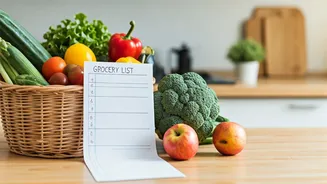
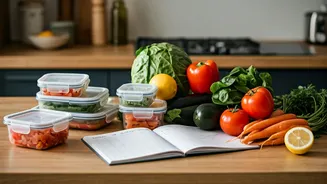
With your meal plan complete, the final step is creating a hyper-specific shopping list. Go through each planned meal, recipe by recipe, and list every single ingredient you'll need. Now, cross-check this against your kitchen inventory. Only add an item to your final shopping list if you don't already have it or don't have enough of it. This list is your shield in the grocery store. Your mission is to buy only what is on the list. This discipline is what locks in your savings and prevents the cart from filling up with unplanned, budget-breaking items.
The 'Too': More Than Just Savings
The headline promises an extra benefit, and here it is: meal planning dramatically reduces daily stress. The dreaded 'What's for dinner?' question is already answered. It can also lead to healthier eating, as planned meals are often more balanced than last-minute takeaway orders. You save time during the week, reclaim mental energy, and bring a welcome sense of order to your life. The financial savings are the immediate reward, but the peace of mind is the long-term prize.