


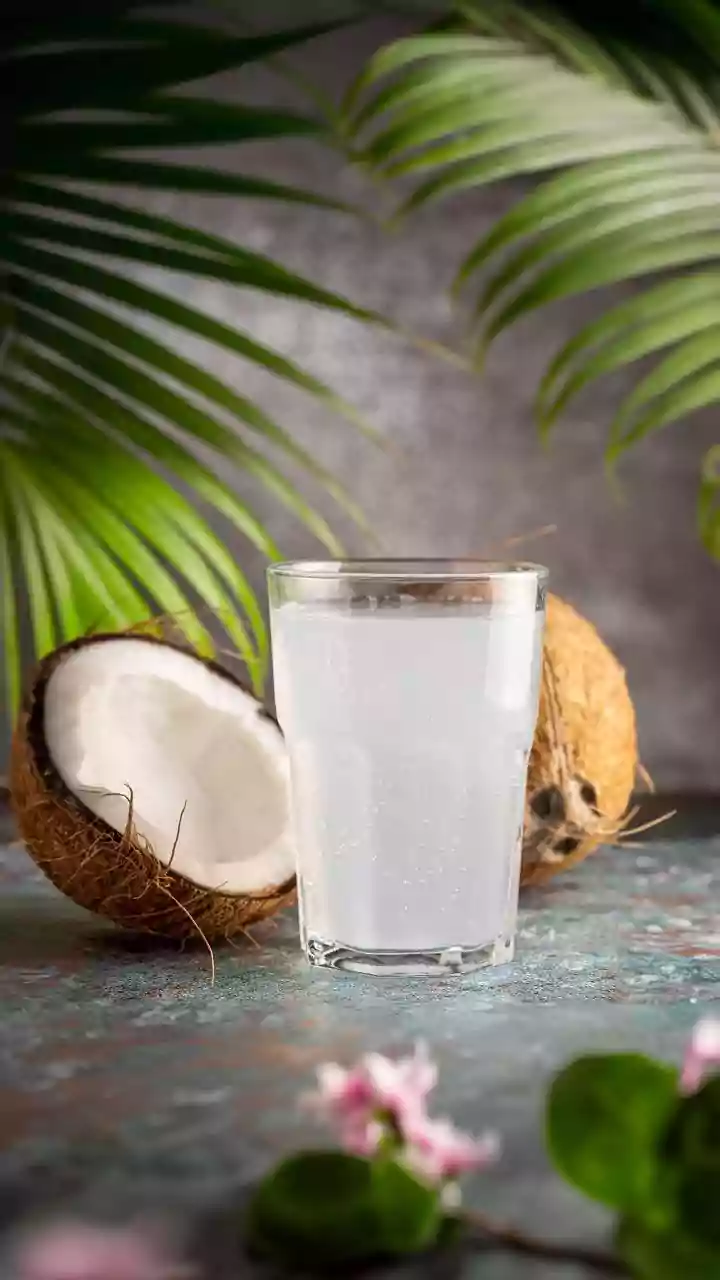



The Aftermath of a Festive Feast
Indian festivals are a vibrant celebration of food, family, and tradition. From ghee-laden sweets to rich, savoury curries, overindulgence is often part of the experience. But the joy of the feast can quickly be followed by discomfort: bloating, lethargy,
and a general feeling of being overstuffed. This happens because large, rich meals, often high in fats, sugars, and refined carbohydrates, place a significant strain on your digestive system. Your body has to work overtime to process the food, diverting blood flow to the gut, which can leave you feeling sleepy and drained of energy. This 'food coma' is also linked to blood sugar fluctuations; a high-sugar meal can cause a rapid spike in blood glucose, followed by a crash that leaves you feeling even more tired.
Why Reaching for a Sugary Drink Is a Mistake
When feeling full, many people instinctively reach for a cold, fizzy drink, believing it will help 'cut through the richness' or aid digestion. However, this is often the worst thing you can do. Sugary beverages, including sodas and sweetened juices, introduce a new wave of problems. Firstly, they add empty calories to an already calorie-dense meal. Secondly, the high sugar content can exacerbate the blood sugar rollercoaster, leading to a more profound energy crash later on. This influx of sugar can also feed harmful gut bacteria, potentially creating an imbalance in your gut microbiome. Furthermore, carbonated drinks introduce excess gas into your digestive system, which can worsen feelings of bloating, gas, and stomach discomfort. Even 'diet' or 'zero-sugar' sodas aren't a great alternative, as some studies suggest artificial sweeteners can also negatively impact gut health.
Water: Your Digestive System’s Best Ally
The simplest solution is often the most effective. Water is essential for every stage of digestion. It helps your body break down food, allowing for the efficient absorption of nutrients. Unlike sugary drinks that can interfere with the process, water works in harmony with your system. Adequate hydration helps soften stool, preventing the constipation that can sometimes follow a heavy, low-fibre festive meal. When you are dehydrated, your colon pulls water from your stool to hydrate the body, making it harder to pass. By staying hydrated, you ensure your entire digestive tract functions smoothly, from saliva production to the final stages of waste elimination. Sipping water during a meal can also help prevent overeating in the first place by promoting a sense of fullness.
Beyond Digestion: The Full-Body Benefits
The benefits of choosing water don't stop at your stomach. Festive foods are often high in salt, which can cause your body to retain water, leaving you feeling puffy and bloated. Drinking enough water helps your kidneys flush out this excess sodium, reducing water retention. It also helps stabilize your energy levels. Dehydration is a known cause of fatigue, and by drinking water, you can counteract the sluggishness that follows a heavy meal. It keeps your metabolism ticking and supports the natural detoxification processes of your body, helping you recover more quickly from holiday indulgence. Think of it as a gentle reset button, helping your body return to a state of balance without the disruptive effects of sugar and artificial ingredients.
Smart Hydration Strategies for Comfort
Making the switch from a post-meal soda to water is a great first step. To maximize the benefits, consider these simple strategies. Instead of gulping down large amounts at once, sip water steadily throughout the period following your meal. For an extra digestive boost, try warm water. It can be very soothing for the digestive system. You can add a squeeze of lemon or a pinch of ajwain (carom seeds), both of which are traditionally known to aid digestion. On the day after a big feast, focus on eating water-rich foods like cucumber, watermelon, and leafy greens to continue rehydrating your system. Herbal teas like peppermint or ginger tea are also excellent, caffeine-free options that can soothe an over-full stomach and reduce bloating.