



The 'Manchester of South India'
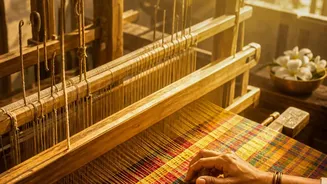
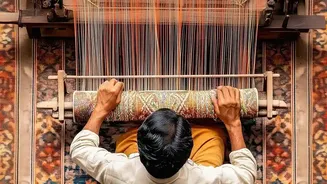
Coimbatore's most famous moniker is the 'Manchester of South India'. This comparison stems from its long and storied history as a powerhouse of the textile industry, much like its English counterpart was during the Industrial Revolution. The region's
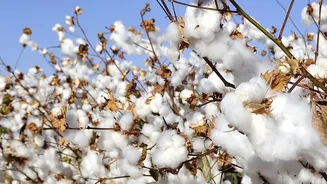
fertile black soil was ideal for cotton cultivation, and this abundance of raw material laid the groundwork for a thriving textile economy. The first mills were established in the late 19th century, with pioneers like Sir Robert Stanes setting up the Coimbatore Spinning and Weaving Mills in 1888. The industry experienced a massive boom in the 1920s and 30s, fueled by the availability of hydroelectric power from the nearby Pykara power station. This legacy is not just a historical footnote; it has shaped the city's industrious character and robust infrastructure, which today benefit locals and tourists alike.
Beyond Industry: A Green Getaway
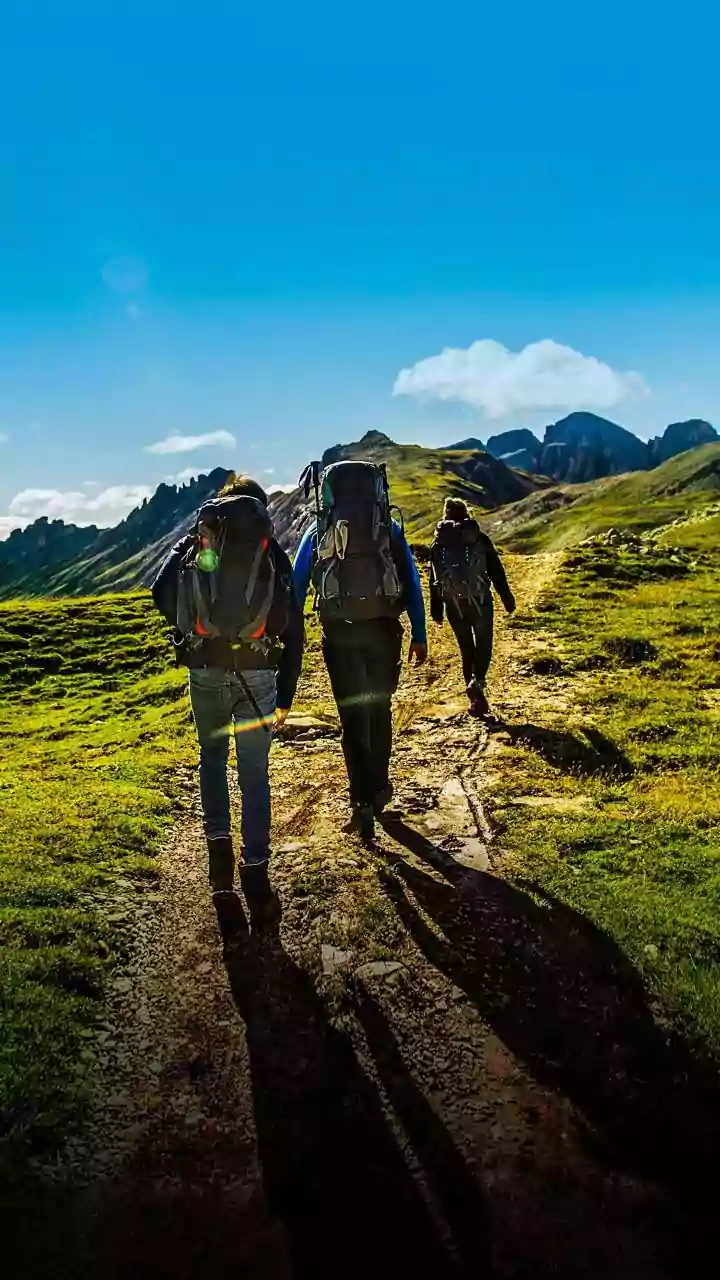
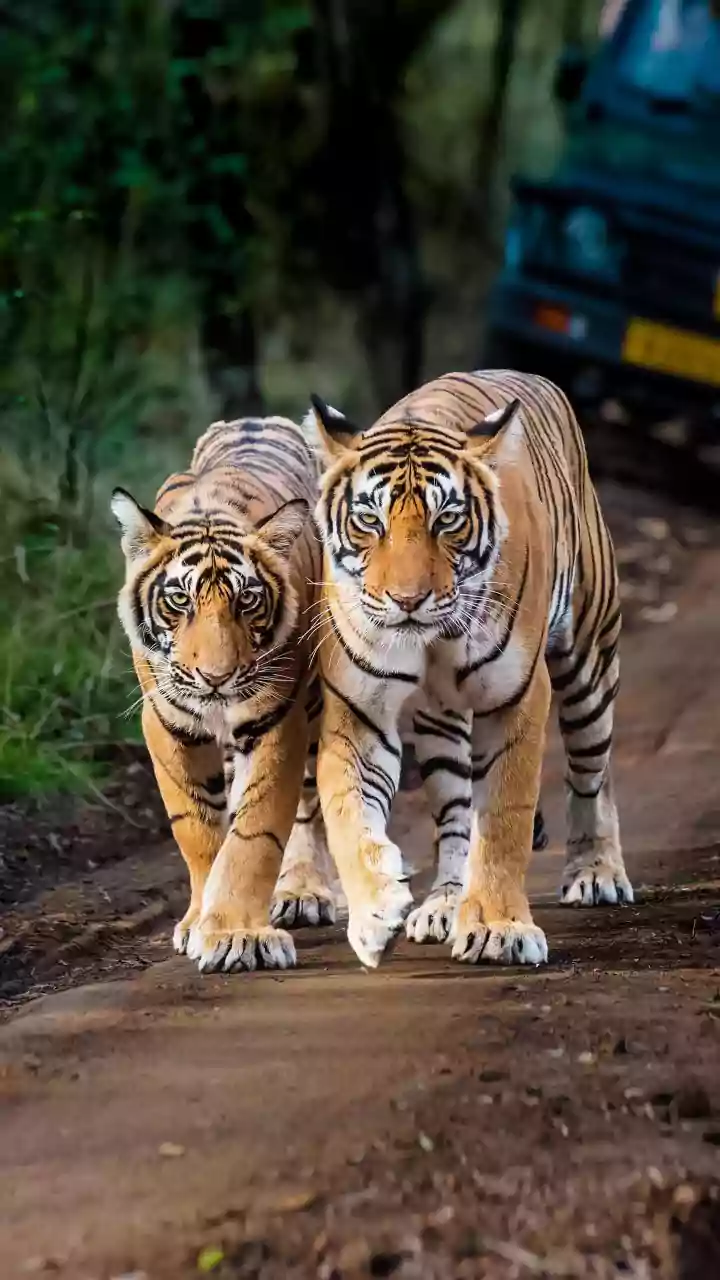
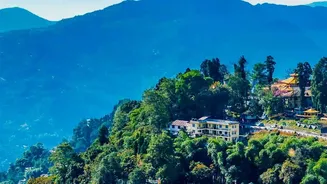
While its industrial identity is strong, to think of Coimbatore only in terms of factories and mills would be to miss its greatest charm. The city is nestled at the foothills of the Western Ghats, a UNESCO World Heritage Site, and enjoys a pleasant climate for most of the year. This unique location makes it a gateway to breathtaking natural beauty. Just a short drive from the city centre, you can find yourself enveloped in the cool mist of the Siruvani Waterfalls, whose water is reputed to be among the sweetest in the world. The Anamalai Tiger Reserve, also known as the Indira Gandhi Wildlife Sanctuary, offers thrilling wildlife safaris where you can spot a diverse range of flora and fauna. For trekkers and spiritual seekers, the Velliangiri Hills, often called the 'Kailash of the South', provide a challenging and rewarding pilgrimage through dense forests.
A Hub of Culture and Spirituality
Coimbatore's landscape is dotted with ancient temples and modern spiritual centres, reflecting a deep cultural core. The Marudhamalai Hill Temple, a 12th-century Dravidian-style structure dedicated to Lord Murugan, sits atop a scenic hill offering panoramic views. In the heart of the city, the Perur Pateeswarar Temple stands as a testament to ancient craftsmanship. More recently, the Isha Yoga Center has become a global landmark, drawing visitors from all over the world to see the iconic 112-foot Adiyogi Shiva statue. Beyond the major spiritual sites, the city has a number of museums that offer glimpses into its past, including the Gedee Car Museum, the Gass Forest Museum, and the Kasthuri Srinivasan Art Gallery and Textile Museum, which chronicles the city's primary industry.
The Gateway to the Nilgiris
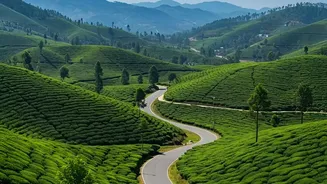
One of Coimbatore's biggest advantages for holiday planning is its strategic location. It serves as the perfect launchpad for exploring some of South India's most beloved hill stations. The 'Queen of Hill Stations', Ooty, is just a few hours' drive away, offering colonial-era charm, botanical gardens, and the famous Nilgiri Mountain Railway. Its quieter neighbours, Coonoor and Kotagiri, are also easily accessible, providing serene escapes amidst sprawling tea estates. For those looking to explore a different part of the Ghats, the picturesque town of Valparai, with its dramatic hairpin bends and lush tea plantations, is another excellent option for a day trip or weekend getaway.
A Taste of Kongu Nadu
A trip to Coimbatore is incomplete without indulging in the unique flavours of Kongu Nadu cuisine. Unlike the fiery curries of other parts of Tamil Nadu, Kongu food is more subtle, using less oil and spice. The cuisine is characterized by the generous use of coconut, groundnuts, sesame, and fresh turmeric, often sourced from nearby Erode, one of India's largest turmeric markets. Signature dishes include Arisi Paruppu Sadam (a simple rice and lentil dish), Pallipalayam Chicken (a spicy dry fry with coconut), and a variety of dishes made with local millets like ragi and kambu. This earthy, wholesome food is a direct reflection of the region's agricultural roots and provides a delicious counterpoint to the city's industrial image.