








Get Your Finances in Order
Beyond buying foreign currency, a few financial checks are critical. Inform your bank about your travel dates. Many banks use fraud detection systems that might block your credit or debit card if they see unexpected international transactions. A quick
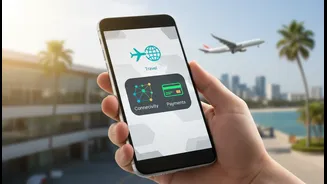
call or setting a travel notice via your bank's app can prevent this. Also, ensure international transactions are enabled on your cards. While you're at it, consider a forex card, which often has lower currency conversion fees. The increasing availability of UPI for international payments is another convenient option in select countries; check if your UPI app supports this feature and activate it beforehand. However, don't rely on it solely, as acceptance is still growing.
Sort Out Your Digital Life
Staying connected abroad without racking up a huge bill requires some planning. Instead of expensive international roaming packs from your Indian provider, consider an eSIM. An eSIM is a digital SIM you can download to your phone, giving you affordable data access the moment you land. Providers like Airalo or Holafly offer plans for hundreds of countries, often at a fraction of the cost of traditional roaming. Also, install a Virtual Private Network (VPN) on your phone and laptop. Using public Wi-Fi at airports, cafes, or hotels can expose your personal data to hackers. A VPN encrypts your connection, keeping your banking details and passwords safe. Finally, download offline maps and a translator app to navigate and communicate without needing constant internet access.
Prioritise Health and Safety
Travel insurance is non-negotiable for international trips. Medical emergencies abroad can be incredibly expensive, and many countries, including the Schengen area, require proof of adequate medical coverage for visa approval. A good policy should cover hospitalization, medical evacuation, trip cancellation, and baggage loss. Beyond insurance, pack a basic medical kit with essentials like pain relievers, antacids, band-aids, and any prescription medications you need. Always carry medicines in their original packaging, along with a doctor's prescription, as some countries have strict rules on medication. Also, keep a written list of emergency contacts, including the local Indian embassy's number, separate from your phone.
Double-Check Your Documents
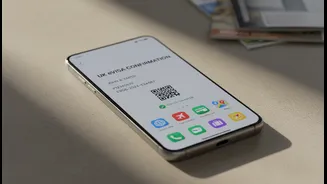
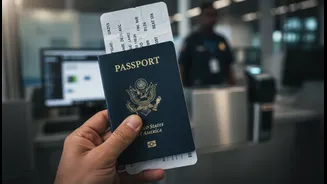
Your passport is your most important document, but don't forget the six-month validity rule. Most countries require your passport to be valid for at least six months from your date of entry. Also, ensure you have at least two blank pages for stamps. Make multiple copies of your passport, visa, flight tickets, and hotel bookings. Keep one physical set in your luggage, separate from the originals, and save digital copies on your phone and a cloud service like Google Drive or email them to yourself. If you plan on driving, check if you need an International Driving Permit (IDP) in addition to your Indian license.
Master the Art of Packing
Smart packing goes beyond just clothes. Different countries have different power sockets, so a universal travel adapter is an absolute must-have for charging your devices. It’s a small item that can save you a lot of hassle. It's also wise to pack a change of clothes and basic toiletries in your carry-on bag. In the unfortunate event that your checked-in luggage gets delayed or lost, you'll have essentials to get by for a day or two. Finally, weigh your luggage at home to ensure it's within the airline's limit to avoid expensive excess baggage fees at the airport.