


Identify Your Kitchen's Core Team
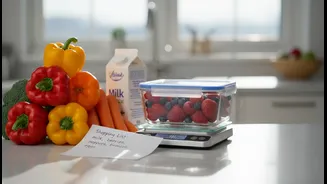
The first step is to identify the ingredients you use most frequently. For most Indian households, this starts with the foundational aromatics: onions, tomatoes, ginger, and garlic. Beyond this base, consider your family's favourites. Do you always have
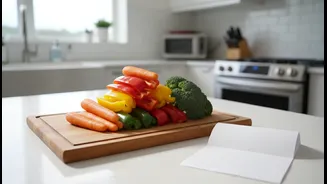
potatoes, carrots, and peas on hand for a quick sabzi? Is there always a bottle gourd (lauki) or a bunch of spinach (palak) in the fridge? Your staples also include the contents of your masala dabba—turmeric, cumin, coriander powder, and red chilli powder are non-negotiable in most kitchens. By recognising this core group of about 10-15 high-rotation items, you can stop seeing them as individual purchases and start treating them as a collective resource for the week.
Master the Art of Ingredient Overlap
Ingredient overlap is the simple practice of buying an ingredient with more than one dish in mind. Instead of planning meals in isolation, think in pairs or trios. If you buy a large cauliflower, plan to make Gobi Sabzi on Monday and use the remaining florets in a Mixed Veg Pulao on Wednesday. That bunch of fresh coriander can be used to flavour a dal, ground into a chutney for sandwiches, and used as a garnish for three different meals. This mindset shift is crucial. It moves you from reactive cooking, where you wonder what to do with a half-used capsicum, to proactive planning, where that capsicum was always destined for both a paneer jalfrezi and a simple stir-fry. This approach drastically cuts down on those forgotten vegetables wilting in the crisper drawer.
Create a Designated 'Use-First' Zone
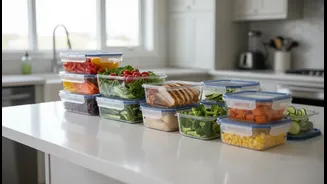
Organization is key to making this system work. The headline's advice to "give shared staples a clear place" is practical wisdom. Designate a specific, highly visible area in your pantry and refrigerator as the 'use-first' zone. This is where you'll keep your high-turnover items. Onions, potatoes, and garlic should be in a cool, dark, and dry corner, easily accessible. In the fridge, create a shelf or a specific dabba for the ingredients you've planned to use across multiple meals for the week. This physical separation prevents them from getting lost behind other items. Apply the 'First In, First Out' (FIFO) principle: when you buy new produce, place it at the back of this zone, pushing older items to the front so they get used first.
Plan Your Week, Not Just Your Day
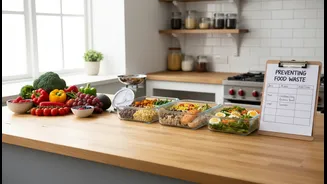
A weekly meal plan is the single most effective tool for managing ingredient overlap. You don't need a rigid, hour-by-hour schedule. A simple list of 4-5 main dishes for the week is enough. As you write your list, look for opportunities to cross-utilise. For example: Week's Plan: Palak Paneer, Aloo Gajar Matar Sabzi, and Dal Tadka. Shared Staples: Onions, tomatoes, ginger-garlic paste (base for all three), spinach (for Palak Paneer and can be added to Dal), and carrots/peas (for the sabzi and any leftover can go into a quick upma for breakfast). Your grocery list will then reflect exact needs rather than hopeful estimates, preventing over-buying. This simple planning habit is proven to significantly reduce food waste, with some households cutting it by nearly half.
Think Beyond Vegetables
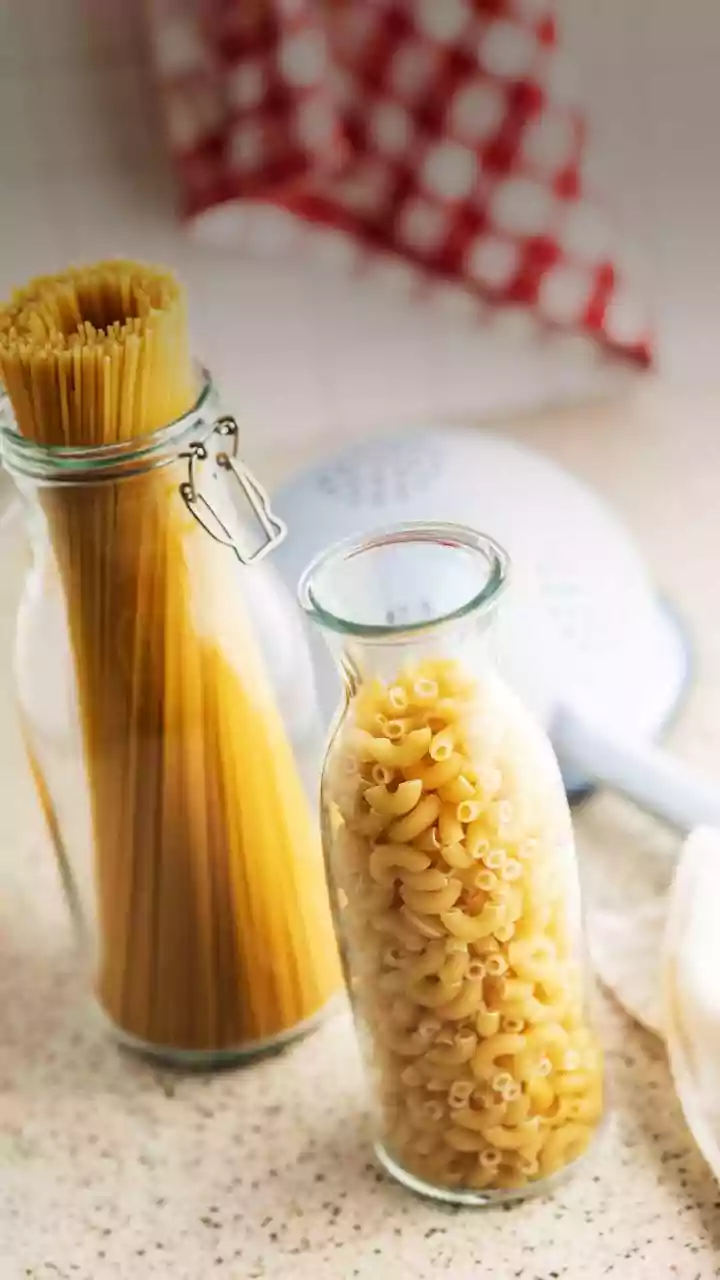
This principle of overlap isn't limited to produce. Apply the same logic to your dals, grains, and even dairy. Instead of buying five different types of dal for the week, perhaps focus on two versatile ones like toor dal and masoor dal, which can be prepared in various ways. The whey from making paneer or hung curd can be used to make soft chapati dough or as a nutritious base for a curry. Leftover rice from dinner can become the next day's flavourful lemon rice or fried rice. By seeing your entire pantry as an interconnected system, you unlock a more efficient, resourceful, and sustainable way of cooking that has long been a cornerstone of traditional Indian kitchens.