



Your Skin’s First Line of Defence
Think of your skin barrier as a vigilant gatekeeper. Medically known as the stratum corneum, it’s the outermost layer of your skin, composed of tough skin cells (the 'bricks') held together by a lipid mortar of ceramides, cholesterol, and fatty acids.
This structure has two critical jobs: to keep moisture locked inside your body and to keep harmful pollutants, irritants, and germs out. When your barrier is healthy and intact, your skin feels soft, supple, and calm. But when it becomes compromised, it can lead to a host of issues, including dryness, redness, sensitivity, and flakiness.
How Colder Weather Weakens the Barrier
The arrival of cooler weather brings a double threat to your skin barrier: low humidity and indoor heating. Cold air naturally holds less moisture than warm air. This dry environment effectively pulls moisture out of your skin through a process called transepidermal water loss (TEWL). Indoors, central heating and air conditioners only make the problem worse by further reducing humidity. This constant moisture evaporation strips the skin of its natural oils, weakening the 'mortar' that holds your skin cells together and leaving the barrier vulnerable and less effective. As a result, your skin may become tight, itchy, and more reactive to products that didn't bother it during more humid months.
Why Your Summer Sunscreen May Fall Short
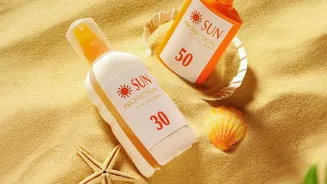
During hot and humid Indian summers, lightweight gel or fluid sunscreens are often a top choice. Their water-based formulas absorb quickly, feel weightless, and leave a non-greasy, often matte finish that is perfect for oily or acne-prone skin. However, these formulations are designed for comfort in humidity and typically offer minimal barrier support. Some may even contain alcohols that can feel drying on skin that is already battling a moisture deficit in colder, drier conditions. While they provide essential UV protection, they don’t provide the extra nourishment and protection a compromised winter barrier desperately needs.
The Case for Cream-Based Formulas
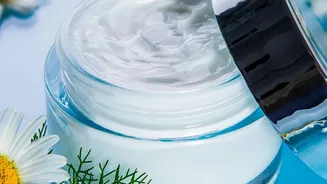
This is where cream-based sunscreens shine. Unlike their gel counterparts, cream formulas are richer in emollients and occlusive ingredients. Emollients, like shea butter, help to smooth and soften the skin, while occlusives form a protective seal on the surface to physically block water loss. This dual action not only provides immediate relief from dryness but also gives your skin barrier the support it needs to repair itself. A good cream sunscreen can essentially double as your daily moisturiser, streamlining your routine while delivering both hydration and crucial, year-round sun protection. Even on cloudy winter days, damaging UVA rays, which contribute to premature aging, remain potent.
What to Look for on the Label
When choosing a cream sunscreen for the colder months, look for ingredients that actively hydrate and repair the skin barrier. Ceramides are a non-negotiable, as they are a fundamental component of the barrier itself and help replenish what the cold air strips away. Hyaluronic acid is another hero ingredient, a humectant that draws moisture into the skin and can hold up to 1,000 times its weight in water. Other beneficial ingredients include glycerin, which also helps skin retain moisture; squalane, which mimics the skin's natural oils; and niacinamide, which is known to strengthen the barrier and calm irritation. For sensitive skin, mineral formulas containing zinc oxide or titanium dioxide can be a gentler option.