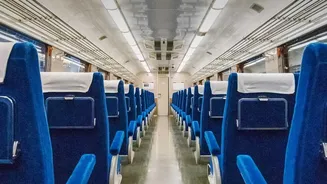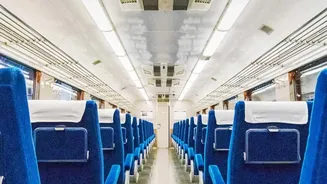





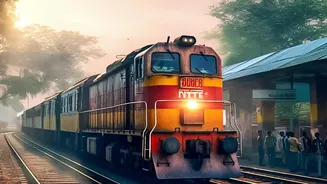

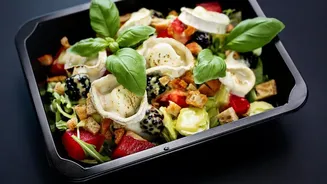
Indian Railways is piloting a significant change on its premier Vande Bharat trains. A new, shorter menu is being trialled on three routes, a move that could redefine the onboard dining experience for millions of passengers across the country.
Which Trains Are Affected and What's Changing?
This pilot
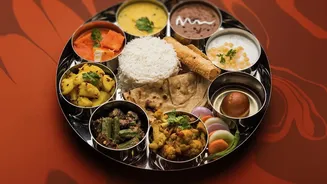
project, which began on November 1, 2026, is currently active on three Vande Bharat sleeper routes: New Delhi-Varanasi, Mumbai-Bengaluru, and Howrah-Kamakhya. Passengers on these trains will notice a significantly trimmed menu. The number of items in a meal has been cut from a spread of eight to ten dishes down to a more focused selection of four. For breakfast, options like soup, omelettes, sandwiches, buttermilk, and chocolates have been removed. Instead, passengers are offered a choice from a simplified list that includes items like idli-vada, poha, or upma. Similarly, for lunch and dinner, accompaniments such as curd, salad, pickles, sweets, and a separate dry vegetable dish have been discontinued from the meal tray.
The 'Quality Over Quantity' Rationale
The primary driver behind this change is a concerted effort by the Indian Railway Catering and Tourism Corporation (IRCTC) to address persistent passenger complaints regarding food quality, hygiene, and consistency. Railway officials believe that by reducing the number of dishes, they can exercise better quality control and monitoring, similar to the model used by airlines. A simpler menu allows catering staff and kitchens to focus on preparing fewer items to a higher standard, ensuring freshness and better taste. The decision followed a directive from the railway ministry in response to frequent feedback about unsatisfactory meal experiences, including cold or stale food. Early results appear promising, with IRCTC's West Zone reporting a 10% drop in catering-related complaints between October 1 and November 15, 2026, compared to the previous year.
Lighter Trays, But Same Portions
The changes also mean the overall weight of a meal has decreased. Previously, a meal tray weighed between 700 and 750 grams; it now weighs approximately 450 to 500 grams. However, IRCTC officials have clarified that the portion size of the main dishes—such as the sabji, dal, rice, and chapati—remains the same. The weight reduction is a direct result of removing the extra accompaniments, not shrinking the core components of the meal. The new, lighter meal for lunch and dinner consists of chapati, rice, dal, and a single main course, which can be a vegetarian dish or a chicken option for non-vegetarians. This streamlined approach aims to deliver a satisfying core meal without the complexity and potential for waste associated with a larger, multi-item tray.
A New Approach to Catering
This trial isn't just about the menu; it's also about a new operational strategy. For this pilot, IRCTC has partnered with major hospitality groups and cloud kitchens, such as the Mayfair Group, TajSATS, and Sarovar Portico Group, to prepare the meals, rather than relying solely on traditional railway catering vendors. This shift is intended to bring more professional and standardized food preparation processes into the system. The initiative is currently in a review phase, with IRCTC closely monitoring passenger feedback on the new arrangements. The future of this compact menu, and whether it will be expanded to other Vande Bharat services or even other premium trains like the Shatabdi and Rajdhani, depends entirely on the outcome of this assessment period.