


The Abode of Raging Waters
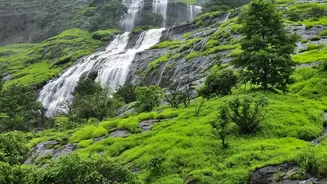
Meghalaya, the 'Abode of Clouds', lives up to its name, especially between June and September. It is home to some of the wettest places on Earth, receiving over 400 inches of rain during the monsoon. This colossal amount of water transforms the landscape.
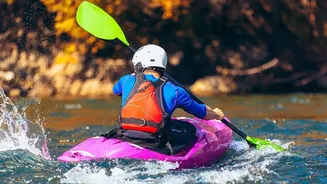
Gentle streams become furious, churning torrents, and dry riverbeds awaken into Class IV and V rapids—the highest difficulty ratings in recreational kayaking. For a special breed of adventurer, this deluge isn't a deterrent; it's the main attraction. They travel from around the globe to experience the raw, untamed power of rivers like the Umngot, Umtrew, and the legendary Kynshi, which become almost unrecognisable from their placid, crystal-clear winter states.
The Kynshi: A River of Legend
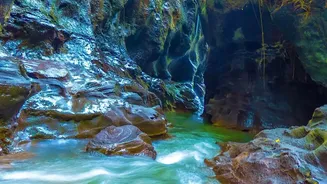
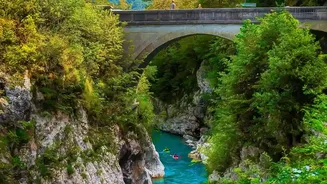
Among Meghalaya's challenging rivers, the Kynshi, flowing through the West Khasi Hills, holds a special status. Even in lower water, it’s a formidable multi-day expedition through deep gorges, past house-sized boulders, and over significant waterfalls. During the monsoon, it becomes a different beast entirely. Kayakers who have paddled it describe the rapids as monstrous. The sheer volume of water changes the entire character of the river, submerging entire beaches and creating powerful, unpredictable features like whirlpools and massive waves. The river demands not just technical skill but immense respect, as its currents can multiply in force without warning. It's a place where even seasoned professionals must portage, carrying their kayaks over treacherous, slippery rocks to bypass sections deemed too dangerous to run.
The Elite Paddler's Mindset
Attempting to kayak Meghalaya's monsoon rivers is not for the weekend enthusiast. It's the domain of expert paddlers with years of experience in high-volume whitewater. These athletes possess a unique combination of physical strength, precise technique, and an almost intuitive ability to read the water. The activity demands absolute focus and a calm mindset in the face of overwhelming power. Preparation is everything, from packing for multi-day, unsupported trips to knowing when to walk away from a rapid. Many of the most dedicated paddlers bring their own equipment, as rental options for this level of extreme sport are scarce in the remote interiors. They often rely on the deep, local knowledge of Khasi and Jaintia guides, who understand the terrain and the river's fickle behaviour better than anyone.
Navigating Unseen Dangers
The primary challenge of monsoon kayaking here is the sheer volume and force of the water. This creates a host of secondary risks. Fast-flowing currents can hide underwater obstacles like fallen trees or sharp rocks, and the water's murky, brown colour reduces visibility to zero. The steep-gradient hills that create the thrilling drops also mean that flash floods are a constant and serious threat. A sudden downpour upstream can cause river levels to rise dramatically in minutes, trapping unsuspecting paddlers in the gorge. Rescue in these remote canyons is incredibly difficult, if not impossible. Every decision carries significant weight, as the line between exhilarating adventure and life-threatening danger is incredibly thin. Paddlers must be self-sufficient, equipped with the right safety gear, and possess advanced rescue skills.