



What is This AI Bot, Exactly?
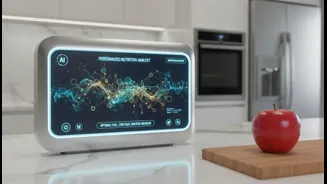
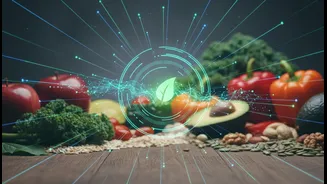
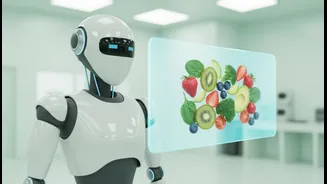
Think of it as a nutritionist in your pocket, backed by the Indian government's premier nutrition authority, the National Institute of Nutrition (NIN). The plan is to launch an AI-powered chatbot and web platform designed to help Indians make smarter
food choices. The primary goal is to provide clear, accessible information about the nutritional value of thousands of food products available in the Indian market, especially pre-packaged foods. Users will be able to search for a product or brand and get an instant breakdown of its nutritional profile, helping them understand what they're really eating.
Why Is This Happening Now?
The timing is no coincidence. This initiative comes as India sees a significant rise in the consumption of packaged foods. Alongside this trend, there's a growing burden of non-communicable diseases (NCDs) like diabetes, hypertension, and cardiovascular disorders, which are often linked to diet. The bot is NIN's response to this public health challenge, aiming to combat misinformation and empower consumers with scientific information directly from the source. It also aligns with a broader push for digital health solutions in the country. To build its massive database, NIN has partnered with a Hyderabad-based company behind the 'TruthIn' app, which already contains data on over 75,000 food products.
How Will It Work for You?
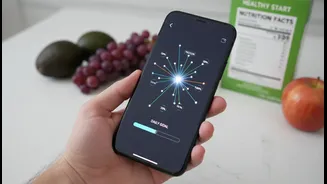
The platform is being designed for ease of use. Imagine you're in a supermarket, unsure which snack to buy. The idea is you can use the tool to quickly look up or even scan a product and get easy-to-understand information about its contents. The AI will analyze components and flag key nutritional aspects based on official product labels and Indian regulatory standards. It will help you identify hidden sugars, high salt content, or complex ingredients often listed by confusing technical names. Essentially, it aims to translate complicated food labels into simple, actionable advice.
The Promise: Your Personal Food Detective
For young, tech-savvy Indians, the potential benefits are huge. It offers instant, credible nutrition advice without having to sift through conflicting opinions online. The tool promises to be a one-stop source for checking and comparing items, helping you make choices that fit your health goals and budget. Beyond personal use, the database will also be a valuable resource for researchers and policymakers, helping to analyse dietary patterns, support studies, and shape future nutrition policies, like front-of-pack labelling.
But Remember, AI Isn't a Doctor
While promising, it's crucial to have realistic expectations. AI nutrition tools are powerful, but they have limitations. They can provide general guidance and information based on data, but they lack the human touch and nuanced understanding of a registered dietitian. An AI cannot fully grasp your personal health history, lifestyle context, or the psychological factors that influence eating habits. Recent studies have also shown that AI-generated meal plans can sometimes be nutritionally imbalanced, providing too few calories or carbohydrates for growing teens. This bot is a fantastic tool for information and awareness, but it is not a substitute for professional medical advice, especially if you have a pre-existing health condition.