



In the world of healthy eating, quinoa and lentils are superstars. Both have found a firm place in Indian kitchens, but how do they stack up against each other? We break down their nutritional profiles, focusing on iron and magnesium.
Meet the Contenders
Quinoa, often mistaken
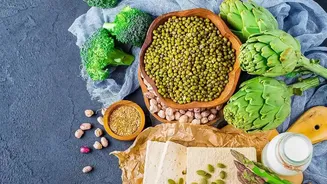
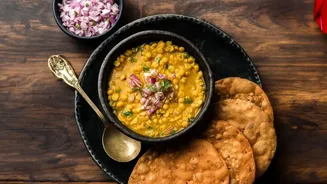
for a grain, is actually a seed from a plant related to spinach and beets. Hailing from the Andes, it's celebrated for being a 'complete protein'. This means it provides all nine essential amino acids our bodies can't make on their own, a rare trait for a plant-based food. Lentils, on the other hand, are pulses—a part of the legume family. They are a staple in Indian cuisine, forming the base of countless dals, soups, and stews. They are inexpensive, widely available, and have been a source of nourishment for centuries.
The Iron Showdown
Iron is crucial for energy and transporting oxygen in our blood. When it comes to the numbers, lentils have a clear edge. One hundred grams of cooked lentils provide about 3.3 mg of iron, which is more than double the 1.5 mg found in the same amount of cooked quinoa. For adults in India, the recommended daily iron intake is significant—around 19 mg for men and a much higher 29 mg for women of reproductive age. Lentils can make a more substantial contribution to meeting this daily goal. However, both quinoa and lentils contain non-heme iron, the type found in plants, which isn't as easily absorbed as heme iron from animal sources. To boost absorption, it's a great idea to pair these foods with a source of Vitamin C, like a squeeze of lemon, tomatoes, or bell peppers.
Magnesium Matchup
Magnesium is a powerhouse mineral that supports everything from muscle and nerve function to blood sugar control. Here, the tables turn in favour of quinoa. One hundred grams of cooked quinoa contains about 64 mg of magnesium, while the same portion of lentils has around 36 mg. Quinoa is the winner in this category, offering nearly twice the amount. Given that many adults don't get enough magnesium, adding quinoa to your diet can be an effective way to boost your intake. This mineral plays a vital role in over 300 enzymatic reactions in the body, making it essential for overall health.
Beyond the Minerals: Protein and Fibre
While our headline focuses on minerals, a full comparison isn't complete without looking at protein and fibre. Lentils are the champion for both. A cooked cup of lentils packs a massive 18 grams of protein and 16 grams of fibre. In contrast, a cooked cup of quinoa offers about 8 grams of protein and 5 grams of fibre. The high fibre content in lentils is excellent for digestive health and helps you feel full for longer, aiding in weight management. Quinoa's main advantage is its protein quality; being a complete protein makes it a fantastic option, especially for vegetarians and vegans.
The Verdict: Which Should You Choose?
There's no single winner here; the 'better' food depends entirely on your personal health goals. If your primary aim is to increase your iron and fibre intake, lentils are the superior choice. They are also more protein-dense and generally more budget-friendly. If you're looking to boost your magnesium levels or want a high-quality, complete protein source, quinoa is an excellent pick. Both have similar calorie counts, so that's not a major deciding factor. The best approach is not to choose one over the other, but to incorporate both into a varied and balanced diet to reap their unique benefits.
Cooking and Incorporating Them
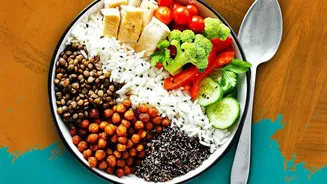
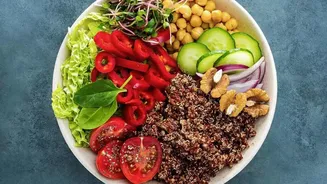
Both lentils and quinoa are incredibly versatile and easy to cook. Quinoa cooks in about 15 minutes and can be used as a substitute for rice, in salads, or to make a healthy upma. Lentils, depending on the variety, can take anywhere from 15 to 30 minutes to cook. Beyond the traditional dal, they can be used to make veggie burgers, hearty soups, and salads. Don't be afraid to experiment. A quinoa and lentil salad, for example, combines the best of both worlds, offering a balanced mix of nutrients, textures, and flavours.