
The New Look of the Dairy Aisle
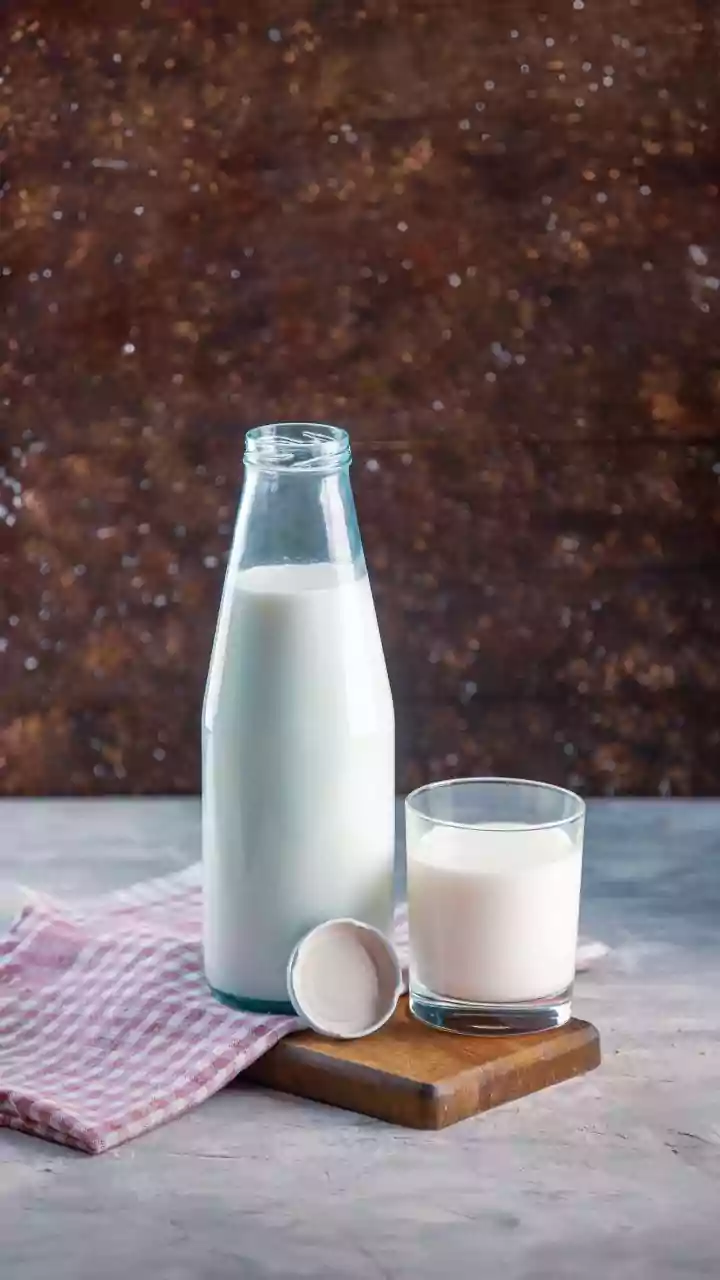
Walk through a supermarket in any major Indian city, and you’ll see it. Alongside the familiar packets of milk, paneer, and dahi are tubs of Greek yogurt, cartons of protein-fortified milk, and blocks of high-protein paneer. This isn't just a wider variety
of choice; it's a signal of a fundamental change in consumer demand. Traditional dairy products, long cherished for their natural goodness, are now being re-evaluated through a new lens: their protein content. Young consumers are increasingly looking for 'functional foods'—products that offer health benefits beyond basic nutrition. Dairy, a trusted and integral part of the Indian diet, is becoming the perfect vehicle for this new, health-focused approach to eating.
Why Protein, Why Now?
Several factors are fueling this protein-powered movement. The most significant is a surge in health and wellness consciousness, particularly among urban millennials and Gen Z. Post-pandemic, there is a heightened awareness of the link between diet, immunity, and overall well-being. This is amplified by the explosive growth of gym culture and the influence of social media, where fitness influencers regularly promote high-protein diets for muscle building, weight management, and recovery. As lifestyles become more sedentary, consumers are actively seeking nutritional solutions to stay healthy, and protein is widely seen as a cornerstone of a fit lifestyle. For many, integrating high-protein dairy into their diet is a convenient and familiar way to meet their fitness goals without drastic changes.
How the Market Is Responding
India's dairy giants and a wave of nimble startups are racing to meet this new demand. Companies like Amul, Mother Dairy, and Parag Milk Foods are launching new lines of protein-enriched products, from high-protein milk and lassi to fortified paneer and curd. For instance, Milky Mist has invested heavily in a dedicated plant for high-protein products like Greek yogurt and sky, citing massive growth in the category. These companies are not just innovating their products; they are also rethinking their marketing. Packaging now prominently displays protein content, and advertising campaigns target the specific lifestyle aspirations of young, health-conscious urbanites. The Indian milk protein market was valued at over USD 400 million in 2024 and is projected to grow significantly, demonstrating the immense business opportunity this trend represents.
A Shift in Tradition
This trend marks a significant cultural evolution. For generations, dairy consumption in India was straightforward—milk was for drinking, dahi for meals, and paneer for special dishes. The nutritional value was implicit, not a highlighted feature. Now, dairy is becoming a tool for personalised nutrition. The rise of high-protein options signifies a move towards 'premiumisation,' where consumers are willing to pay more for products with added functional benefits. While this trend is currently concentrated in urban centres, the demand is growing over 200% faster in Tier 2 cities than in metros, indicating a broader shift in awareness across the country. However, this doesn't spell the end for traditional dairy. Instead, the industry is expanding, offering a wider spectrum of products that cater to both traditional tastes and modern wellness goals.