




There's nothing more disappointing than commissioning a beautiful garment, only to discover the fabric is far more transparent than you realised. Avoid the tailoring heartache with these simple, practical tests to gauge a fabric's sheerness.
The Basic Light Test
The most common
and essential test is holding the fabric up to a light source. However, the type of light matters. Store lighting can be deceptive, often making fabrics appear more opaque than they are. Whenever possible, take the fabric to a window to see it in natural daylight. Hold a single layer up and place your hand behind it. How clearly can you see the lines on your palm or your fingernails? The more detail you can make out, the sheerer the final garment will be. Some experts even suggest using your phone's flashlight in the store to mimic a strong light source and reveal any transparency you might otherwise miss.
The Double-Layer and Drape Test
A single layer held taut is not how fabric behaves on the body. To get a more realistic assessment, fold the fabric so it’s double-layered over your hand or arm. If you can still clearly see your skin tone through two layers, the fabric is very transparent. Also, pay attention to the drape. Gather the fabric in your hand as if it were a skirt or the sleeve of a blouse. Folds and gathers can increase opacity, so a fabric that seems sheer when flat might offer enough coverage when tailored into a style with more volume. Conversely, a fabric that seems fine might reveal more when it hangs straight.
The Stretch and Tension Test
This test is non-negotiable for any garment intended to be close-fitting, such as a bodycon dress, leggings, or a fitted blouse. A fabric that appears perfectly opaque on the bolt can become surprisingly sheer when stretched over the body's curves. This happens because stretching pulls the fibres of the weave or knit apart, allowing more light to pass through. To test this, place your hand under the fabric and gently stretch it. If it becomes noticeably more transparent under tension, it will do the same when worn, especially over the bust, hips, or seat. This is a common issue with lightweight knits and jerseys.
The Contrast and Undergarment Check
To truly understand how a fabric will perform, you need to test it against contrasting colours and simulate what will be underneath. Place the fabric over something with a high-contrast pattern or a brightly coloured object. If you can clearly see the item through the fabric, it will likely show the lines and shades of your undergarments. If possible, drape the fabric over the clothing you are wearing. Better yet, if you can get a swatch, hold it against the undergarments you plan to wear with the final outfit. A fabric might look fine against your skin but become sheer when placed over a white or black bra.
Know Your Fabric Types and Colours
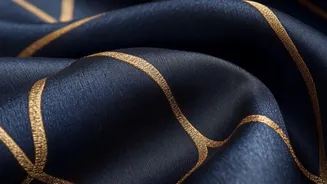
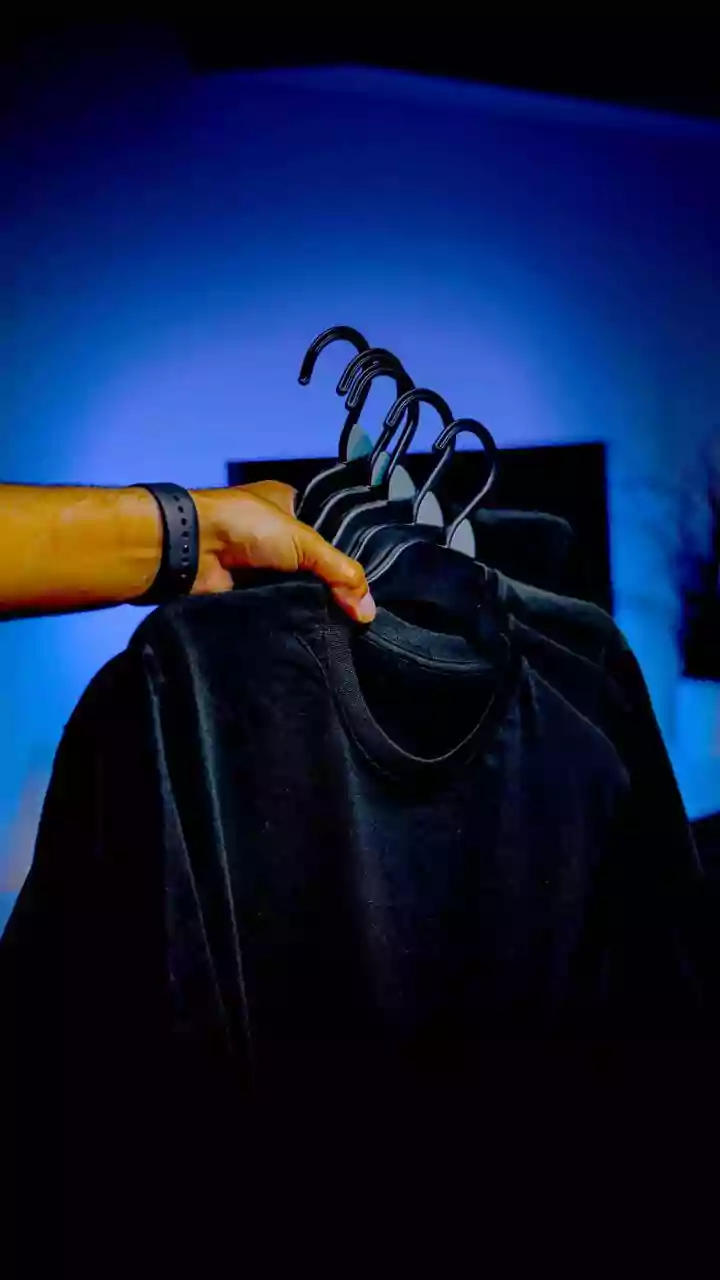
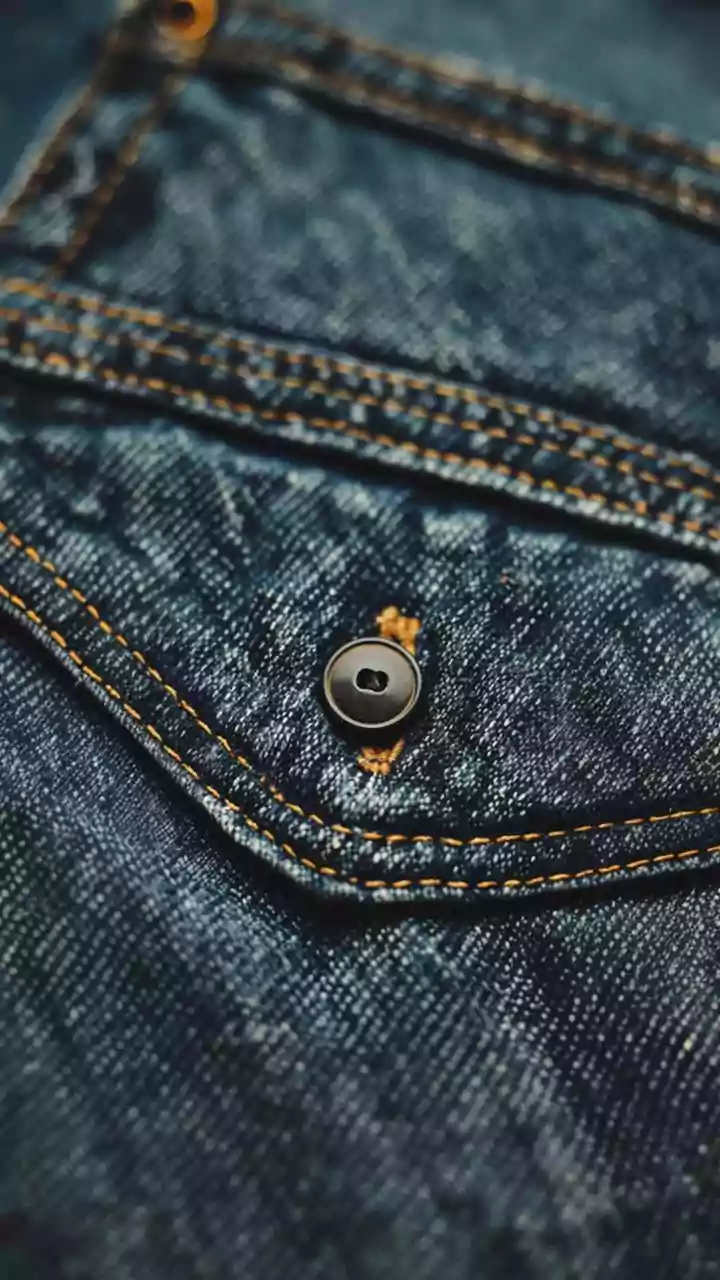
Some fabrics are naturally more prone to sheerness. Lightweight materials like chiffon, organza, voile, georgette, and some fine linens are designed to be translucent. Their sheerness is often a feature, not a flaw. On the other hand, fabrics with a tighter, denser weave like denim, heavy twill, or interlock knits are almost always opaque. Colour also plays a significant role. A fabric in a light colour like white, ivory, or pastel yellow will almost always appear more transparent than the exact same fabric in black, navy, or another dark shade. This is because dark pigments absorb more light, while light colours transmit it.