




Clothing: Think Quick-Dry, Not Cotton
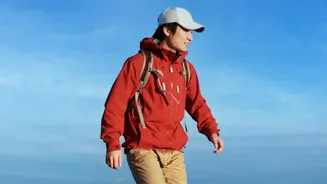
The golden rule of monsoon trekking is to leave all cotton clothing at home. Cotton absorbs a tremendous amount of water and takes a very long time to dry, leaving you feeling cold, heavy, and uncomfortable. Instead, pack synthetic quick-dry t-shirts
and lightweight trekking pants. Materials like polyester or nylon are ideal as they wick moisture away from your skin and dry rapidly, even in high humidity. A fleece jacket is also essential, as evenings can get surprisingly chilly, even during the monsoon. Layering is key: a base layer that wicks sweat, a fleece for warmth, and a waterproof shell on top allows you to adapt to changing conditions.
Rainwear: Your Primary Shield
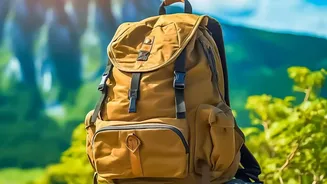
You will get wet; the goal is to manage it effectively. A high-quality waterproof and breathable rain jacket is essential. Look for one that keeps rain out but allows sweat to escape, preventing you from feeling clammy. Alternatively, a long poncho can be a great option as it covers both you and your backpack. To keep the contents of your backpack dry, a waterproof rain cover is a must-have. For an extra layer of protection, line the inside of your backpack with a large plastic bag or use smaller dry sacks to compartmentalize and waterproof your electronics, spare clothes, and other sensitive items.
Footwear: Grip is Everything
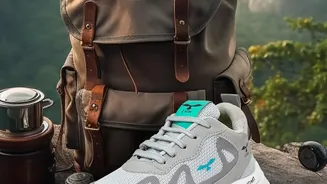
Monsoon trails are notoriously slippery, with muddy paths, slick rocks, and stream crossings. Your choice of footwear can make or break your trek. Invest in a pair of trekking shoes with deep grooves for excellent grip and good ankle support. While fully waterproof boots might seem like a good idea, they can sometimes trap water that gets in from the top, leading to soaked feet. A better strategy can be to use shoes that drain quickly. Regardless of your choice, ensure they are well broken-in before your trip to avoid blisters. Also, pack multiple pairs of moisture-wicking synthetic or merino wool socks. Wet socks are a primary cause of discomfort and foot issues on a long trek.
Health, Safety, and Leeches
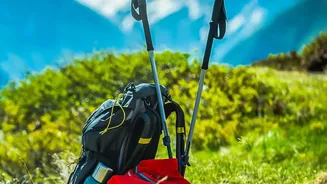
The wet environment of the Ghats is a haven for leeches. While mostly harmless, they can be a nuisance. Anti-leech socks, which are knee-length and made of tightly woven fabric, are highly effective. Carry a basic first-aid kit containing antiseptic, bandages, pain relief spray, and any personal medications. Insect repellent is also a good idea. Due to the slippery terrain, trekking poles can provide crucial stability and reduce strain on your knees, especially on descents. Always carry a headlamp or torch with extra batteries, as mist and cloud cover can reduce visibility and it gets dark quickly in the forest.
Gadgets, Snacks, and Hydration
Protecting your electronics is vital. Use waterproof pouches or ziplock bags for your phone, camera, and power bank. A fully charged power bank is essential as you may not have access to charging points. While trekking, it is crucial to stay hydrated, so carry at least two litres of water. You will also expend a lot of energy, so pack high-energy snacks like nuts, dried fruits, and energy bars to keep you going between meals. These are lightweight and provide a quick boost when you need it most. Finally, tell someone not on the trek about your itinerary and expected return time as a general safety precaution.