








The High Price of 'No Days Off'
The allure of constant high-intensity training is strong. It feels productive and delivers a satisfying sense of exhaustion. However, training without sufficient rest can lead to Overtraining Syndrome (OTS), a condition where your body can no longer recover
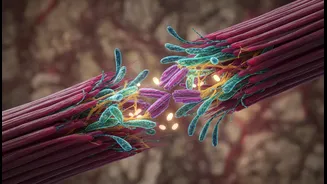
from the stress of exercise. Symptoms are not just physical; they can include persistent fatigue, a decline in performance, mood swings, poor sleep, and an increased risk of injury. Instead of making gains, you hit a plateau or even go backward. The philosophy of 'more is more' eventually leads to burnout because physiological adaptation—the process of getting stronger—happens during recovery, not during the workout itself.
What is Smart Recovery?
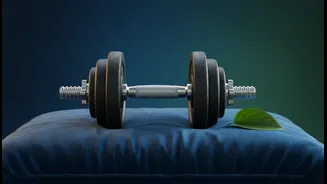
Smart recovery is not about being lazy; it's a strategic and essential part of any effective fitness plan. It involves actively using rest periods to help your body repair and rebuild, leading to better long-term results. Rather than viewing rest days as a weakness, smart training sees them as the time when your muscles, connective tissues, and nervous system adapt to the stress you've placed on them. It's a shift from asking "How hard can I go?" to "What does my body need to get stronger?" This approach involves a combination of complete rest, active recovery, proper nutrition, and quality sleep.
The Power of Active Recovery
Unlike passive recovery (sitting on the couch), active recovery involves low-intensity exercise performed on the days after a strenuous workout. Think of activities like walking, gentle cycling, swimming, or yoga. This light movement increases blood flow to your muscles, which helps deliver vital nutrients and clear out metabolic waste products that contribute to soreness. The benefits are significant: it can reduce muscle soreness, prevent stiffness, improve flexibility, and lower your risk of injury. It also provides a mental break from high-intensity training, helping to prevent burnout and keep your motivation high.
You Can't Out-Train a Bad Diet
Recovery is built on the right fuel. After a workout, your body needs specific nutrients to repair muscle tissue and replenish energy stores. The two most critical components are protein and carbohydrates. Protein provides the amino acids necessary for muscle repair and growth, while carbohydrates restock the glycogen your muscles used for energy. Aiming to eat a balanced meal or snack within an hour or two post-exercise can optimize this process. Good options include a smoothie with yogurt and fruit, chicken with vegetables and rice, or even a simple glass of chocolate milk, which provides a great ratio of carbs and protein for recovery.
Sleep: Your Ultimate Performance Enhancer
Sleep is arguably the most crucial and overlooked component of recovery. During deep sleep, your body does the majority of its repair work. The pituitary gland releases a significant amount of human growth hormone (hGH), which is vital for repairing and building muscle tissue. Lack of sleep can disrupt this process, increase levels of the stress hormone cortisol (which breaks down muscle), and hinder your body's ability to replenish its energy stores. Studies have shown that sleep deprivation can lead to a loss of muscle mass and reduced exercise capacity. For optimal recovery and muscle growth, aiming for 7-9 hours of quality sleep per night is non-negotiable.