




The Golden Rule: Refrigerate Immediately
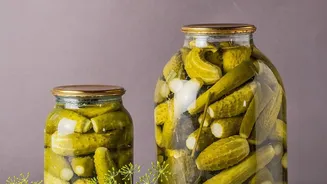
While an unopened, shelf-stable jar of pickles can sit in a cool, dark pantry for up to two years, everything changes once the seal is broken. That pop signifies the end of its sterile, shelf-stable environment. From that moment on, refrigeration is non-negotiable.
The cold temperature of a refrigerator (ideally between 1-4°C) slows down the growth of new bacteria, yeast, and mould that can be introduced once the jar is opened. Although the vinegar and salt in the brine are powerful preservatives, they are not enough to combat contaminants at room temperature indefinitely. Leaving an opened jar on the counter for more than two hours can lead to a loss of crunch and create a breeding ground for spoilage.
Keep Them Submerged in Brine
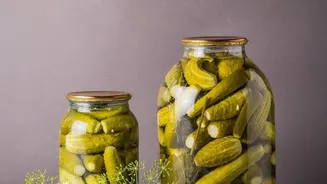
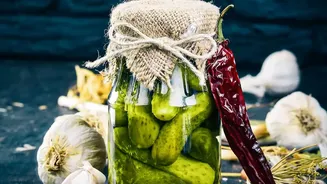
The pickle brine is the magic liquid that keeps your pickles delicious and safe. This acidic, salty solution is specifically designed to inhibit microbial growth. For it to work, the pickles must remain fully submerged. Any part of a pickle exposed to air is vulnerable to spoilage. If you notice the brine level getting low, you might be tempted to top it off with water, but this is a mistake. Doing so dilutes the carefully balanced ratio of vinegar and salt, compromising its preservative power. It is better to press the remaining pickles down to ensure they are covered. Reusing old pickle brine to make a new batch of pickles is also unsafe, as the acidity and salinity have been diluted by the first batch of vegetables.
Practice Good Jar Hygiene
Every time you reach into the pickle jar, you have the potential to introduce contaminants. To maintain the quality of your pickles, always use a clean utensil—like a fork or dedicated tongs—to fish them out. Never use your fingers, and absolutely no double-dipping with a utensil that has been in your mouth. These actions can transfer bacteria from your hands or saliva directly into the brine, which can accelerate spoilage. After you’ve selected your pickle, make sure to screw the lid back on tightly to create a secure seal. This helps keep the refrigerator environment out and the pickle-preserving environment in.
How Long Do They Really Last?
With proper storage, an opened jar of pickles can last for a surprisingly long time. For commercially produced, heat-processed pickles, the general consensus is that they will maintain good quality for about one to three months in the refrigerator. Some sources even suggest they can remain safe for up to a year, though their texture and flavour might decline over time. Fresh 'refrigerator' pickles, which are not heat-processed, have a much shorter lifespan and should typically be consumed within a few weeks. Always check the label for specific storage advice from the manufacturer.
Telltale Signs of Spoilage
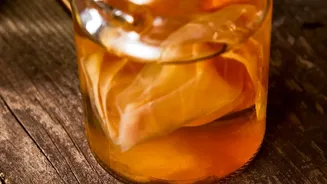
Your senses are your best guide to determining if pickles have gone bad. Before eating, always give the jar a quick inspection. The most obvious sign is visible mould, which can appear as fuzzy spots on the pickles or floating on the surface of the brine. Other red flags include an unpleasantly sour, rotten, or yeasty smell, a slimy or mushy texture, and a cloudy or murky appearance to the brine. You might also notice a bulging lid or a fizzing sound upon opening, which indicates unwanted fermentation from gas-producing bacteria. If you see any of these signs, do not risk it. The entire jar should be discarded.