




Letting Go of the Perfection Myth
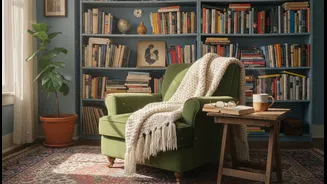
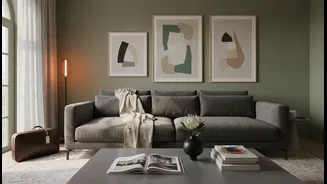
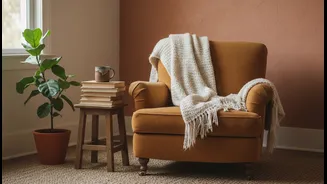
Many of us carry a low-level guilt about our homes. The stack of books on the side table, the slightly worn armchair, the collection of mismatched mugs—these signs of life can feel like failures when compared to the stark, minimalist spaces that dominate
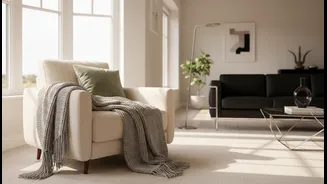
blogs and magazines. Designers say this style, while beautiful, can often feel cold, impersonal, or like a museum. The shift away from this rigid aesthetic is a response to a collective desire for homes that reflect who we are. People are craving spaces that feel curated and collected over time, not ordered from a single catalogue. The goal is no longer a flawless showroom but a comfortable, welcoming sanctuary that tells a personal story.
The Art of Being 'Lived-In'
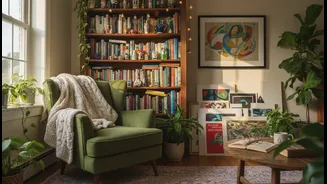
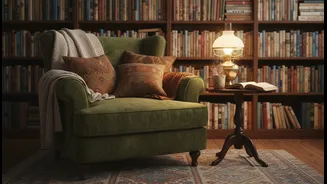
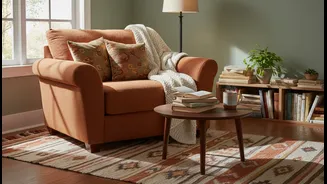
So, what does a 'lived-in' home actually look like? It is not an excuse for clutter. Rather, it’s a thoughtful, intentional approach to design that prioritizes personality and comfort. It’s the art of creating a space that has been built by accretion, where every object has been chosen and placed with care over time. This style embraces imperfections, seeing them as character-defining features. Think of the Japanese philosophy of wabi-sabi, which finds beauty in imperfection and impermanence. A lived-in space showcases its history and the personality of its inhabitants through heirlooms, travel finds, and meaningful artwork. It is a home designed for real life, with practical materials and a layout that feels both functional and emotionally resonant.
Texture: The Secret to Warmth and Depth
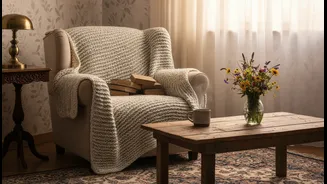
If a lived-in home has a secret ingredient, it’s texture. Texture refers to the way a surface looks or feels, and it's what prevents a room from feeling flat or monotonous. By engaging both sight and touch, texture adds a layer of sensory experience that makes a space feel complete and inviting. Designers use a mix of contrasting textures—soft and hard, smooth and rough, matte and glossy—to create visual interest and balance. Soft textures evoke warmth and coziness, while smoother surfaces can add a touch of sophistication. This layering is crucial for turning a house into a home that feels both dynamic and deeply comfortable. As designers move away from cold minimalism, the return of texture is a key trend, making spaces warmer, softer, and more personal.
How to Layer Textures Like a Pro
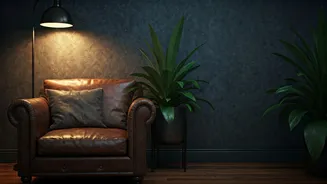
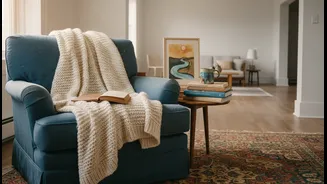
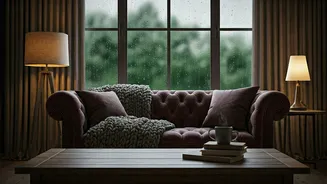
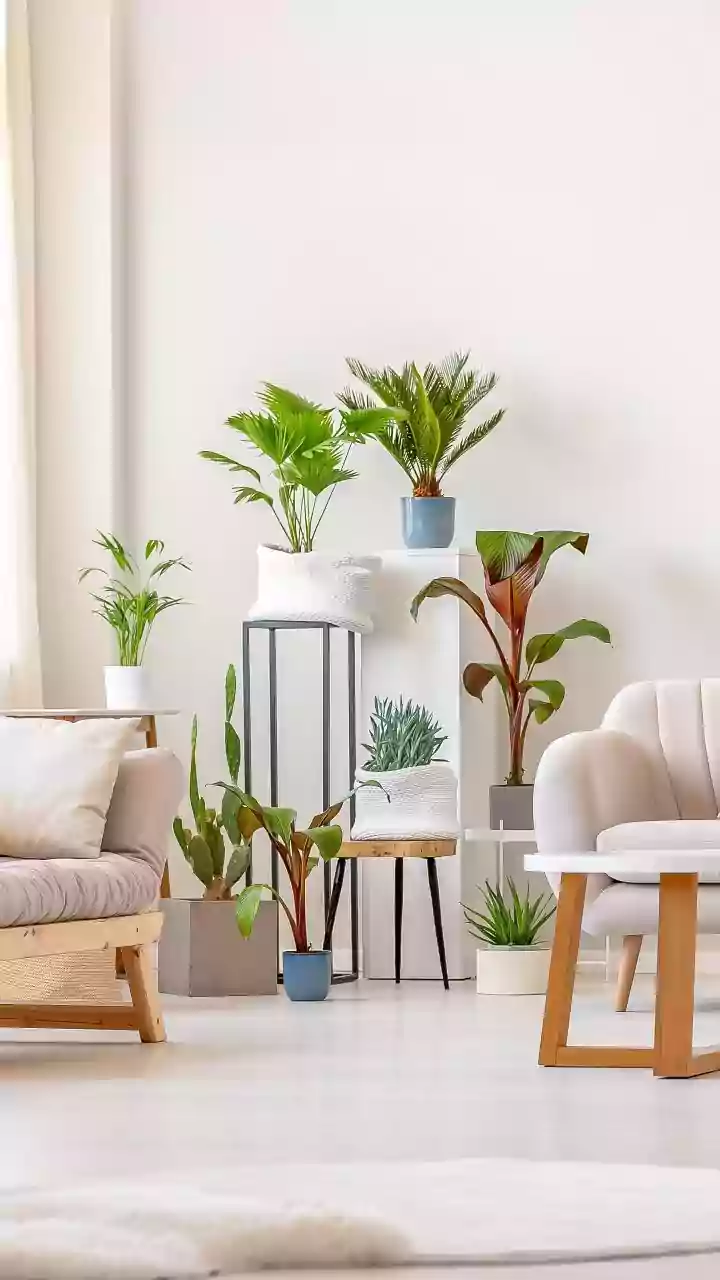
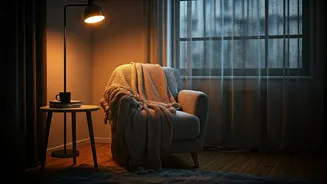
Adding texture doesn't require a complete overhaul. You can start small by focusing on textiles. Layering throw blankets and pillows in different fabrics like chunky knits, velvet, and linen is a simple and effective method. Consider your floors and walls, too. A jute or hide rug introduces a natural, tactile element, while wallpaper with a subtle pattern adds visual texture. Don't be afraid to mix materials throughout the room. Combine a smooth wooden table with woven chairs, or place a sleek metal lamp on a rough-hewn console. Even plants and books contribute, softening lines and adding varied surfaces that draw the eye. The key is to combine different materials and finishes to create a rich, multi-dimensional environment.
It's All in the Personal Details
Ultimately, the most important textures are the ones that tell your story. A home becomes authentically 'lived-in' when it reflects your experiences and values. This means displaying items that have personal meaning, whether it's a piece of art that makes you think, souvenirs from your travels, or vintage furniture passed down from relatives. These objects add a layer of history and individuality that cannot be bought. Displaying them turns your home from a generic space into a personal narrative. As one expert notes, imperfections are often what add character and charm to a space, so instead of hiding them, you should find ways to embrace them in your overall design.