


The Protein Puzzle: More Than Just Grams
Protein is the essential macronutrient responsible for building and repairing tissues in your body, including the muscle fibres that are broken down during exercise. But not all protein is created equal. The quality of a protein source depends on its
amino acid profile. Proteins are made up of building blocks called amino acids. Our bodies use 20 different amino acids, nine of which are considered 'essential' because our bodies cannot produce them. We must get these essential amino acids from the food we eat. Animal products like meat, eggs, and dairy are considered 'complete' proteins because they contain all nine of these essential amino acids in sufficient amounts.
The Power of Plant-Based Pairing
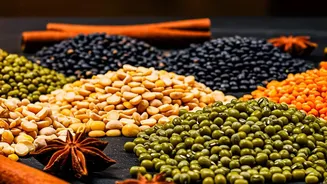
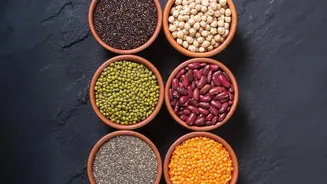
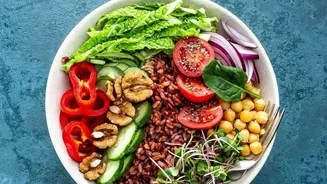
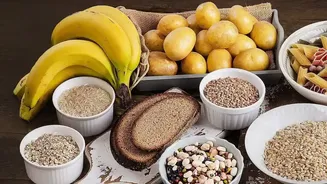
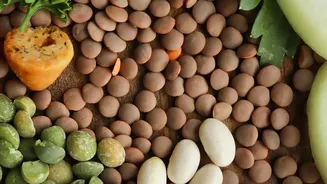
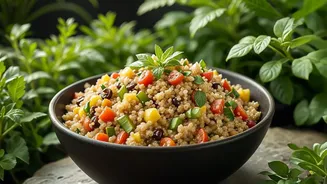
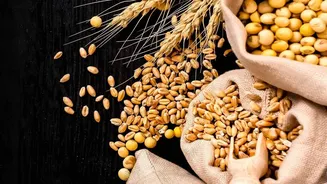
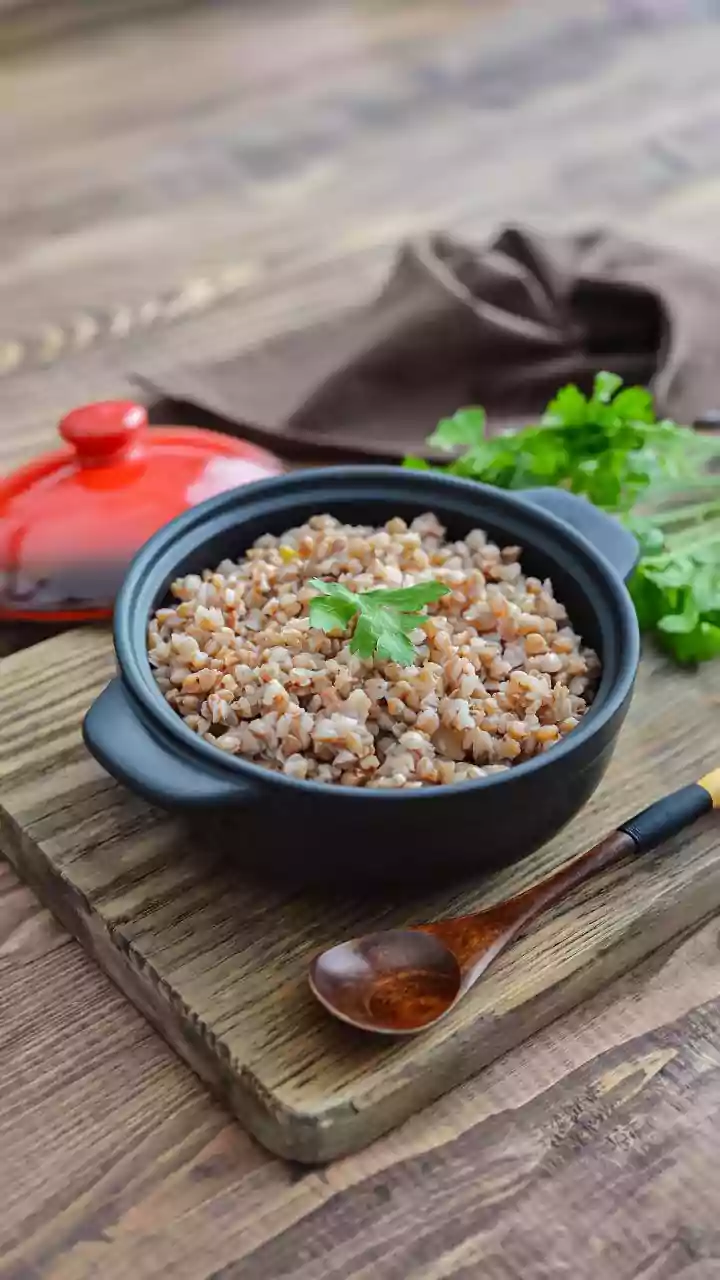
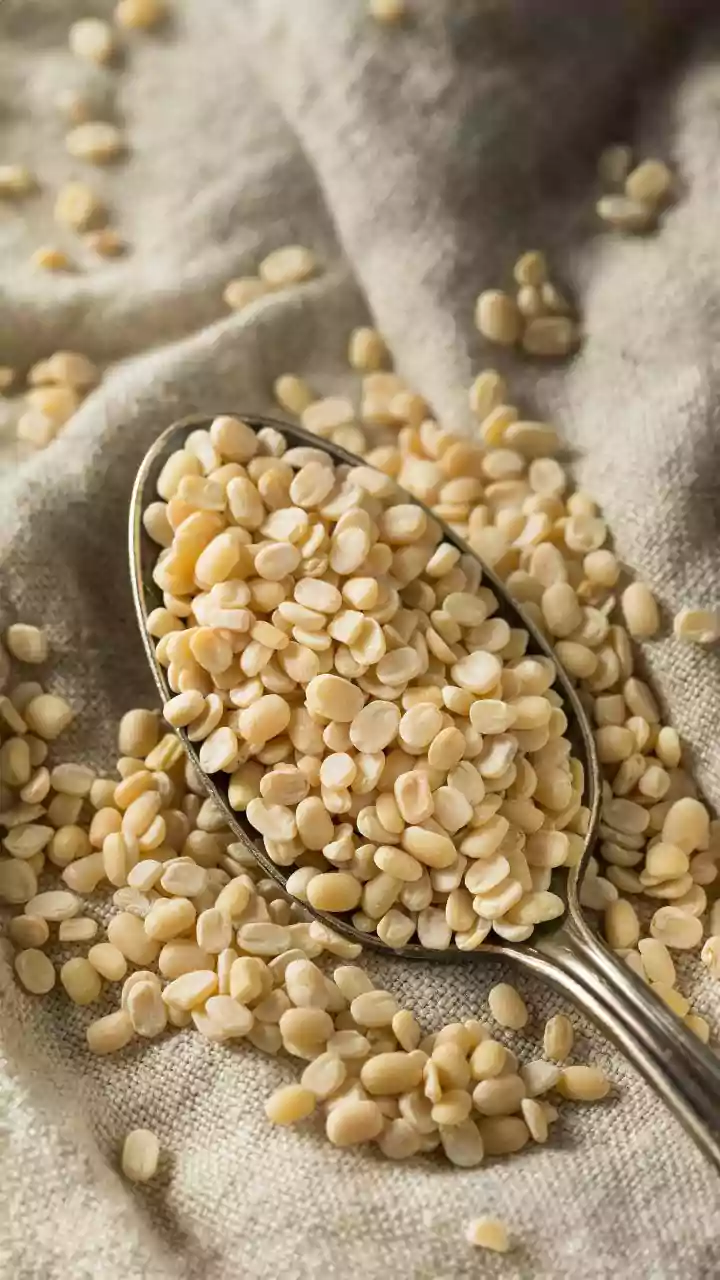
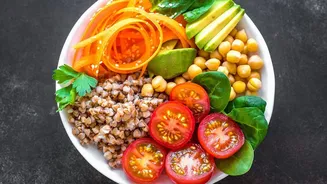
Most plant-based protein sources, on their own, are 'incomplete', meaning they are low in one or more essential amino acids. This is where the magic of combining foods comes in. Whole grains, for instance, are typically low in the essential amino acid lysine but contain adequate amounts of methionine. Legumes—such as lentils, chickpeas, and beans—are the opposite; they are rich in lysine but low in methionine. By pairing a whole grain with a legume, you create what is known as a 'complementary protein'. This combination provides all nine essential amino acids, effectively mimicking the profile of a complete protein and giving your body the full toolkit it needs for muscle synthesis.
Fuelling Effective Muscle Recovery
After a workout, your muscles are in a state of repair, and they need a steady supply of amino acids to rebuild and grow stronger. Without a complete profile of essential amino acids, this process can be less efficient. This is particularly important for vegetarians and vegans looking to build or maintain muscle mass. While single-source plant proteins can be beneficial, well-formulated plant protein blends or combinations often provide a more robust amino acid profile that supports muscle recovery effectively. By ensuring your post-workout meals contain a complete protein source, such as a grain-legume pairing, you provide your body with the crucial nutrients needed to repair muscle damage and promote growth.
Classic Indian Combinations That Work
The good news is that this nutritional strategy is already deeply embedded in many traditional diets, including Indian cuisine. Think of classic comfort meals that are not only delicious but also nutritionally complete. A plate of dal with rice is a perfect example; the lentils provide the lysine that rice lacks, and the rice provides the methionine that lentils are low in. The same principle applies to rajma-chawal (kidney beans with rice) and roti served with any dal or chana (chickpeas). Even a simple breakfast of a peanut butter sandwich on whole-grain bread is an effective complementary protein pairing. These time-tested combinations are a testament to the intuitive wisdom of traditional food cultures.
Do They Need to Be Eaten Together?
A common myth surrounding complementary proteins is that they must be eaten in the same meal to be effective. However, modern nutritional science has debunked this. Research shows that the body maintains a pool of amino acids it can draw from throughout the day. This means as long as you consume a variety of plant protein sources over the course of a day, your body can combine the amino acids as needed to form complete proteins. So, if you have beans for lunch and a whole-grain roti for dinner, you're still getting the benefits. The key is variety and consistency in your daily diet rather than perfect planning for every single meal.