





The Hidden Dangers in Common Cleaners
Our pets explore the world with their noses and mouths, and they spend most of their time close to the ground. This puts them at a higher risk of exposure to the chemicals we use to clean our homes. Residue left on floors, countertops, and furniture can
be ingested when they groom their paws or fur. Even airborne fumes from sprays and disinfectants can irritate their sensitive respiratory systems. Unlike humans, cats and dogs can be more vulnerable to certain toxins due to their smaller size and different metabolic processes, making it crucial to be mindful of the products we bring into their environment.
Hazardous Ingredients to Avoid
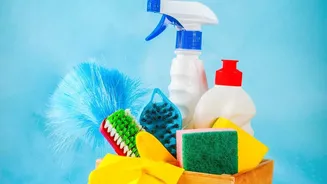
When shopping for cleaning supplies, reading the label is the first step in protecting your pet. Many popular products contain ingredients that are known to be toxic to animals. Some of the most common culprits to watch out for include: Ammonia, often found in glass cleaners, which can cause respiratory and eye irritation; Bleach (sodium hypochlorite), which can cause burns, vomiting, and respiratory issues; Phenols, found in some disinfectants, which are particularly toxic to cats and can lead to liver damage; and Quaternary Ammonium Compounds (or 'quats'), which can cause corrosive injury. Ingesting or inhaling these substances can lead to a range of symptoms from drooling and coughing to seizures.
The Critical Role of Ventilation
One of the simplest yet most effective safety measures is proper ventilation. Strong fumes from cleaning agents can linger in the air, creating a toxic environment for pets, especially birds and other small animals with delicate respiratory systems. Before you start cleaning, open windows and turn on fans to create airflow. This helps to dissipate harmful fumes more quickly, reducing the concentration of chemicals your pet might inhale. It's also wise to keep your pet in a separate, well-ventilated room while you clean and not allow them back into the area until all surfaces are completely dry. Never mix cleaning products, especially bleach and ammonia, as this can create highly toxic chloramine gas, which is dangerous for both you and your pets.
Safe Storage is Non-Negotiable
Curious pets are notorious for getting into things they shouldn't. A half-open bottle of cleaner or a discarded wipe can pose a significant threat if chewed on or ingested. All cleaning products, regardless of whether they are labeled 'pet-safe,' should be stored securely and out of reach. High shelves or cabinets equipped with child-proof latches are excellent options. Avoid leaving cleaning supplies unattended, even for a moment. After use, ensure all containers are tightly sealed and stored away immediately. A secure trash can with a lid is also essential to prevent pets from rummaging through discarded cleaning wipes or paper towels.
Choosing Pet-Friendly Alternatives
Fortunately, keeping a clean and pet-safe home is easier than ever. You can opt for commercial cleaners specifically formulated to be non-toxic to animals, often using plant-based or enzymatic formulas. For a more budget-friendly and eco-friendly approach, many effective cleaning solutions can be made from simple household ingredients. A mixture of equal parts white vinegar and water creates a great all-purpose cleaner. Baking soda is an excellent, mildly abrasive scrub for sinks and tubs and is a natural odor absorber. A paste of baking soda and water can tackle tougher stains, while a bit of lemon juice mixed with water works wonders on glass.