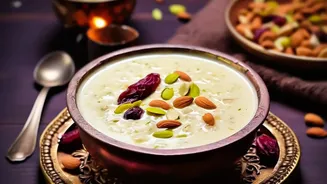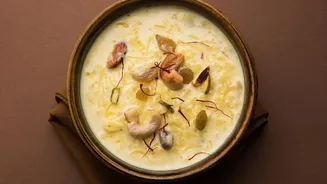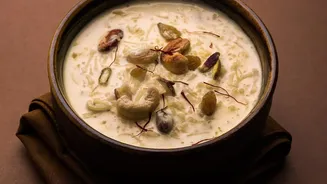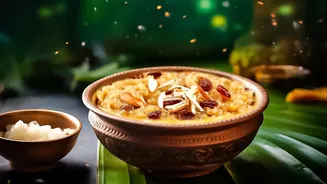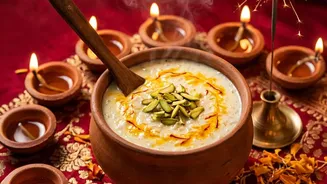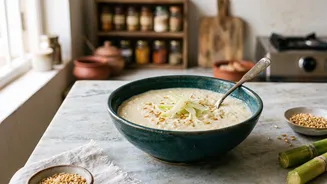

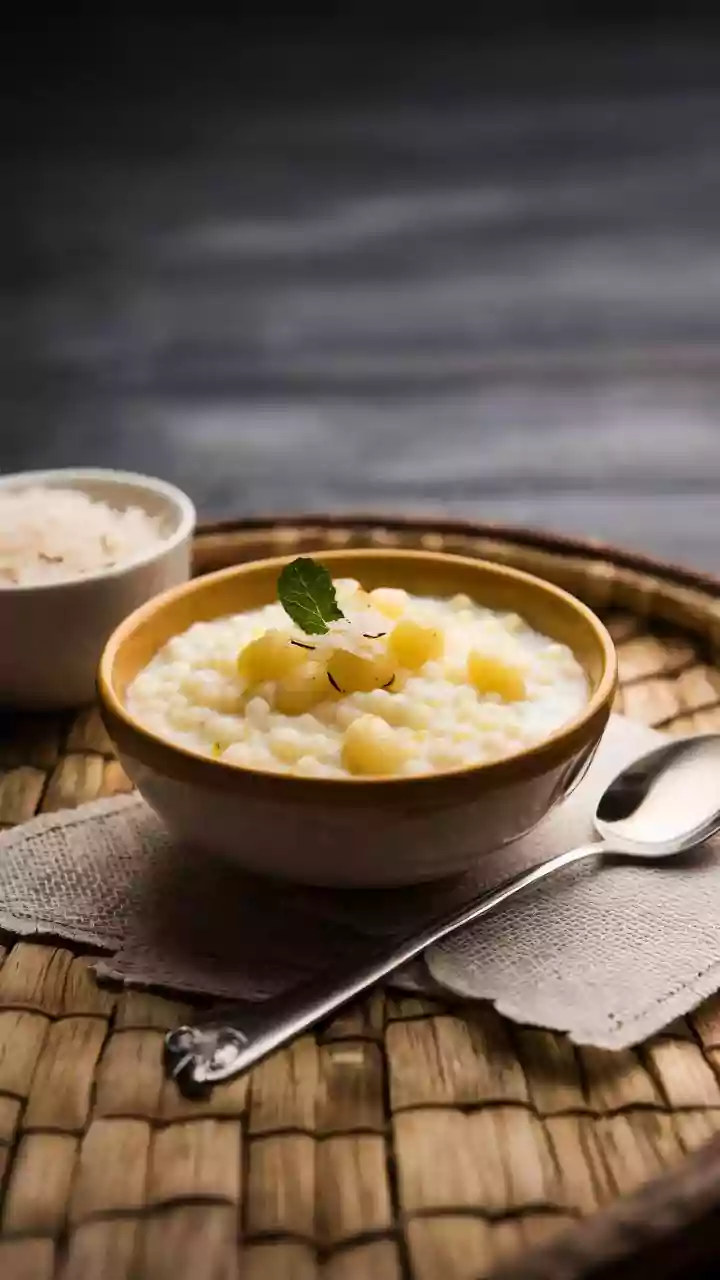
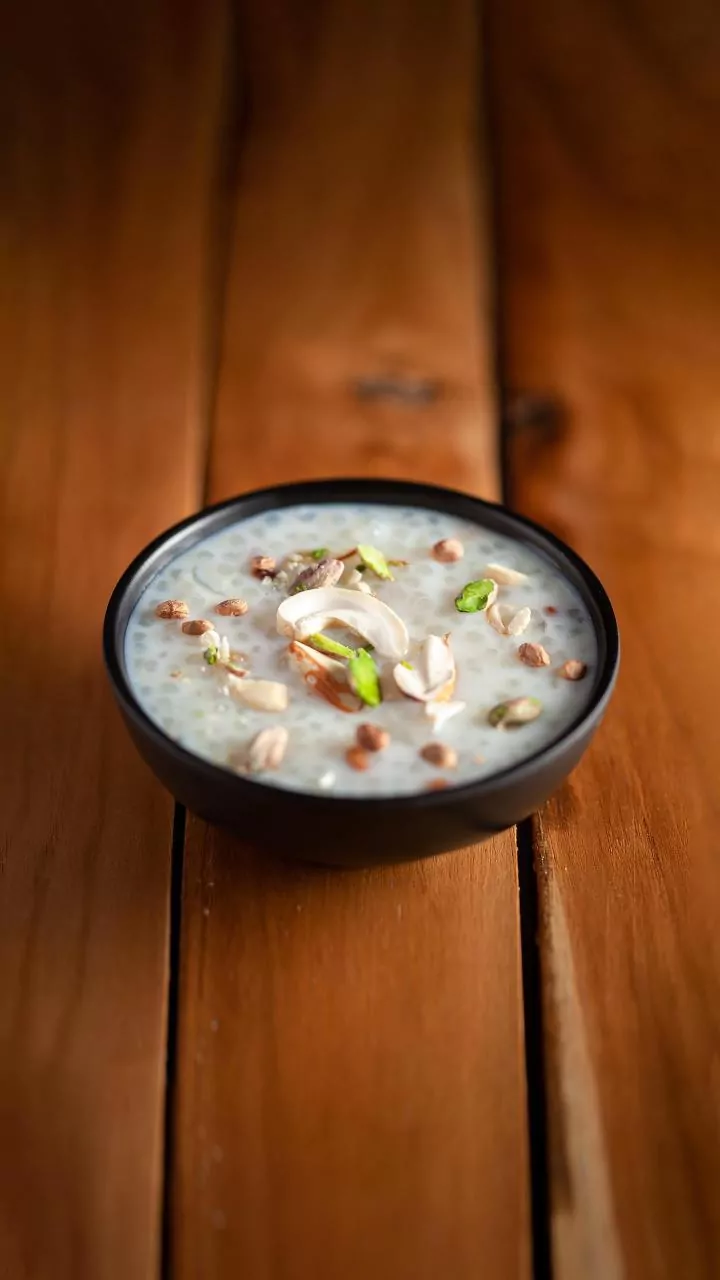
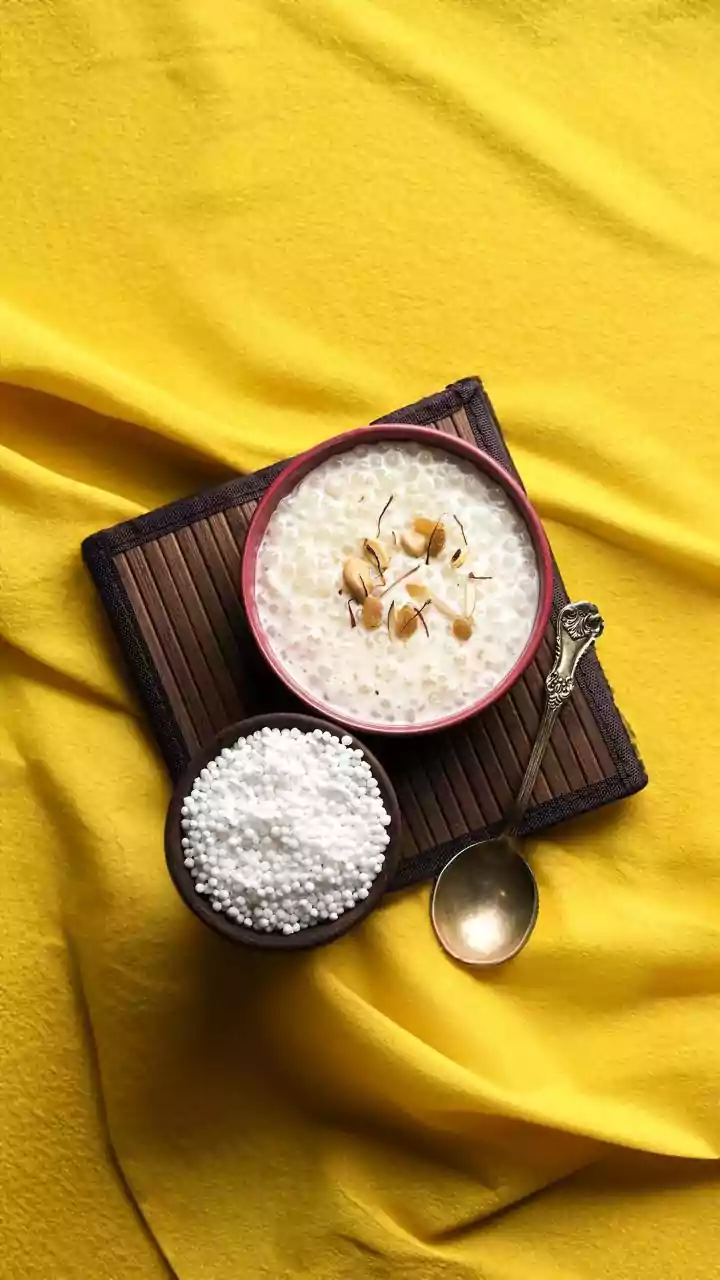
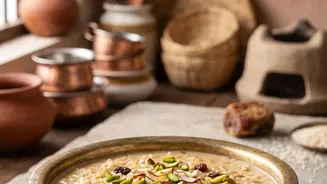
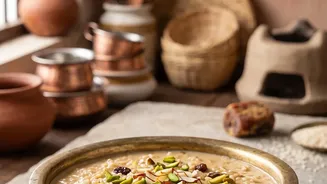
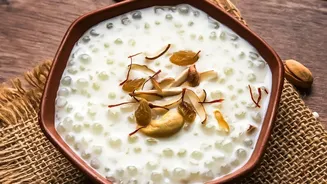
Move over, regular kheer. This winter, discover a rustic and soulful dessert that swaps refined sugar for the natural, earthy sweetness of fresh sugarcane juice. It's a taste of tradition in a bowl.
A Sweet Twist on a Classic
Kheer, the beloved Indian rice pudding, is a symbol of
celebration, comfort, and tradition. While most recipes rely on milk and sugar, a lesser-known but incredibly flavourful version exists, especially popular in the agricultural heartlands of North India like Punjab and Uttar Pradesh. Known as 'Ganne ka Ras ki Kheer' or 'Rauh di Kheer', this dessert's soul is fresh sugarcane juice. It's a dish intrinsically linked to the winter harvest season, celebrating the bounty of the land. Instead of processed sugar, rice is slow-cooked directly in the juice, allowing it to absorb a unique, caramel-like sweetness that is both deep and refreshing. The result is a comforting pudding with an earthy flavour profile that is entirely its own.
The Essential Ingredients
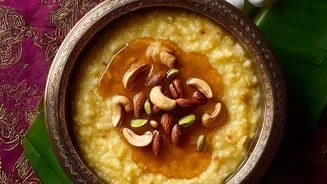
The beauty of this recipe lies in its simplicity. You only need a few core ingredients to create this masterpiece. Sugarcane Juice: 1 litre, fresh. The star of the show. Ensure it's pure, without any added ginger, lemon, or salt. If possible, source it from a local vendor who presses it fresh. Rice: 100 grams (about ½ cup). A short-grain or fragrant basmati rice works best. Soaking the rice for at least 30 minutes is crucial for an even cook and creamy texture. Cardamom: 2-3 green pods, crushed. This adds a beautiful, subtle aroma that complements the sugarcane's sweetness. Chopped Nuts: A handful of almonds, cashews, and pistachios. Roasting them lightly in a teaspoon of ghee before adding enhances their flavour. * Milk (Optional): Some recipes add a few tablespoons of full-fat milk or cream towards the end for extra creaminess and to balance the intense sweetness.
Step-by-Step Cooking Guide
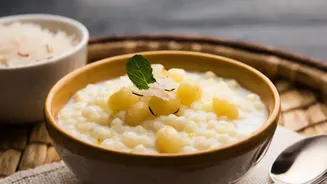
Making sugarcane kheer is a labour of love that requires patience and occasional stirring, but the payoff is immense. 1. Prepare the Juice: Pour the fresh sugarcane juice into a heavy-bottomed pan. Bring it to a boil over medium heat. As it heats, a layer of scum or impurities may rise to the surface. Use a spoon or a fine-mesh sieve to carefully skim this off. Some recipes suggest adding a tablespoon or two of milk at this stage to help coagulate and remove all impurities, ensuring a clean flavour. 2. Cook the Rice: Once the juice is clear, reduce the heat to low. Drain the soaked rice and add it to the pan along with the crushed cardamom pods. 3. Simmer and Stir: Let the mixture simmer gently on a low flame. This is the most important part. You must stir it occasionally to prevent the rice from sticking to the bottom of the pan and to ensure even cooking. Be patient as the rice slowly softens and the sugarcane juice begins to thicken. This process can take anywhere from 25 to 40 minutes. 4. Check for Consistency: The kheer is ready when the rice is completely cooked and soft, and the liquid has thickened to your desired pudding-like consistency. Remember, the kheer will continue to thicken as it cools. 5. Finishing Touches: Once cooked, turn off the flame. Stir in your chopped nuts, reserving some for garnish. If you're using milk or cream for extra richness, you can add it now. Let it rest for a few minutes before serving.
Tips for Perfect Results
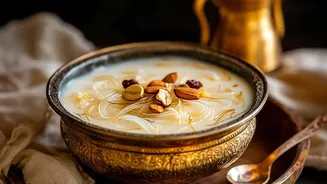
To ensure your kheer turns out perfectly every time, keep these pointers in mind. Use Fresh, Clean Juice: The quality of your sugarcane juice is paramount. Stale or additive-laden juice will spoil the flavour. Skimming the impurities at the beginning is a non-negotiable step for a clean taste. Low and Slow is the Way to Go: Don't be tempted to rush the process by turning up the heat. Cooking the kheer on a low flame allows the rice to absorb the juice properly and prevents the sugars from burning, which would result in a bitter taste. Don't Forget to Stir: Regular stirring is essential to prevent sticking and ensures a creamy, uniform texture without lumps. Serving Suggestions: This kheer is delightful served warm, making it a perfect winter dessert. It can also be chilled and enjoyed cold. Garnish with slivered almonds, pistachios, and perhaps a few saffron strands before serving in traditional terracotta bowls for an authentic touch.