



A Return to Earthen Roots
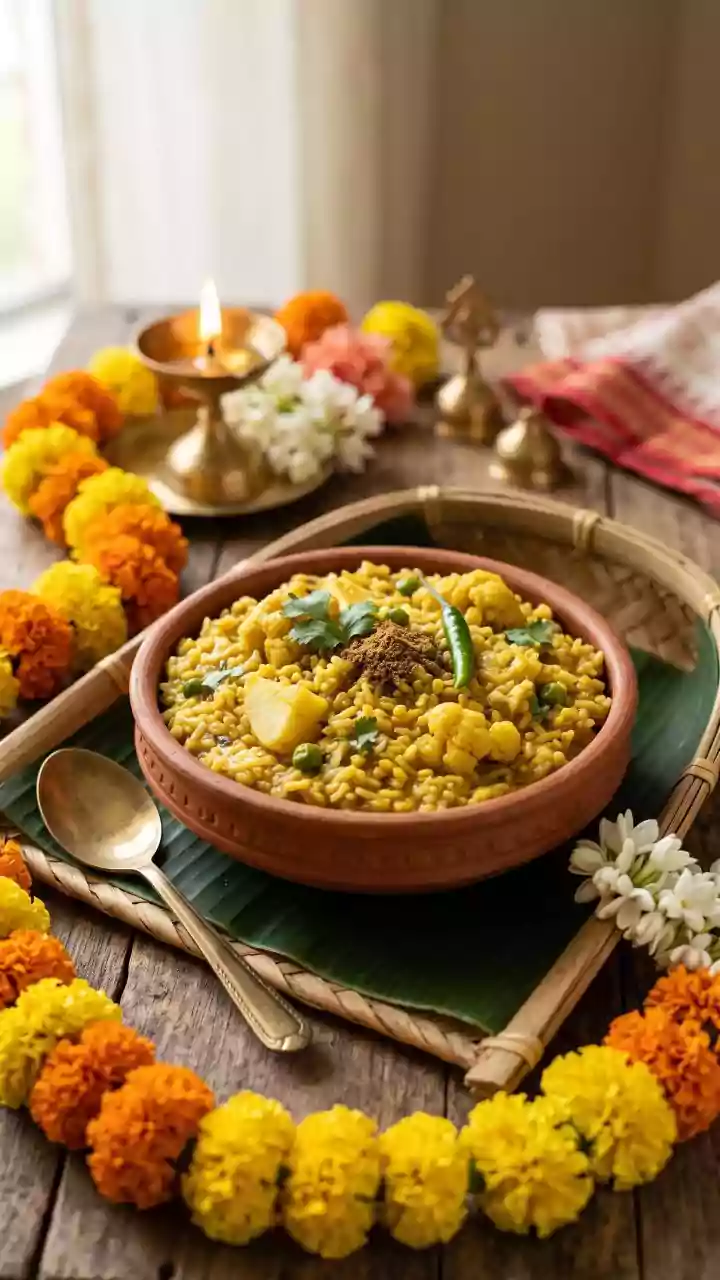
Long before steel and non-stick pans became kitchen staples, Indian meals were simmered in earthenware made by local potters. This tradition, which dates back to the Indus Valley Civilization, is experiencing a significant revival. From celebrity chefs
to home cooks, there's a growing movement to ditch modern cookware in favour of traditional 'handis' and 'chattis'. This shift is driven by a deeper appreciation for mindful cooking, sustainability, and the unique culinary experience that only clay can offer. As people become more conscious about what they eat and how it's prepared, these earthy vessels are being seen as a bridge to a healthier and more flavourful way of life.
The Science of Flavour and Health
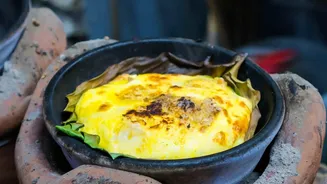
So, what makes clay pot cooking special? The magic lies in the material itself. Clay is naturally porous, which allows heat and moisture to circulate evenly throughout the pot. This gentle, slow-cooking process helps retain the natural juices and nutrients in food, making dishes more tender and flavourful without needing excess oil. Furthermore, clay is alkaline in nature. When heated, it interacts with acidic ingredients in food, like tomatoes, neutralizing the pH balance. This not only makes the food easier to digest but can also add a subtle, natural sweetness. Earthen pots are also free from the chemical coatings found in some modern non-stick pans, ensuring that no harmful substances leach into your meals.
A Taste of Regional India
The comeback of clay pots is deeply intertwined with the growing interest in India's diverse regional cuisines. Many traditional recipes were designed to be cooked in earthenware, and using the right vessel can be key to unlocking their authentic taste. In Kerala, the tangy 'meen' (fish) curry gets its distinctive flavour from being simmered in a 'manchatti'. In Hyderabad, the legendary dum biryani achieves its fragrant perfection when slow-cooked in a sealed clay handi. Similarly, Punjab's 'sarson ka saag' and Bengal's 'mishti doi' are dishes that are intrinsically linked to their earthen cookware. By returning to clay pots, cooks are not just reviving a technique; they are preserving the soul of these regional delicacies.
More Than Just a Cooking Trend
This revival is about more than just good food. It reflects a larger cultural shift towards sustainability and conscious consumerism. Clay pots are biodegradable, created from the earth and able to return to it without causing harm. This makes them an environmentally friendly alternative to mass-produced metal and plastic cookware. The trend has also revitalised the craft of local potters, supporting artisanal traditions that have been passed down through generations. For many, choosing to cook in a clay pot is a deliberate act of connecting with their heritage, celebrating slow food, and embracing a more holistic approach to health and wellness that begins in the kitchen.