






The Problem with Plastic Foam
Walk into any modern office, recording studio, or home theatre, and you will likely find walls adorned with acoustic foam. These panels are masters at absorbing sound, reducing echo and creating a more pleasant auditory environment. For decades, the go-to
material has been polyurethane foam, a petroleum-based plastic. While effective, it comes with a significant environmental cost. Polyurethane is not biodegradable, meaning it will sit in landfills for centuries after its useful life ends. Its production is energy-intensive, and some foams can release volatile organic compounds (VOCs), which can negatively impact indoor air quality. As businesses and consumers become more environmentally conscious, the search for a greener alternative has intensified.
From Agricultural Waste to Acoustic Wonder
The answer, it turns out, may lie in a familiar tropical fruit: the coconut. Every year, coconut harvesting produces millions of tons of fibrous outer husks, which are often discarded or burned as waste. Innovators and material scientists have discovered that this abundant byproduct has the perfect structure for sound absorption. The process transforms this raw material into a valuable product. The husks are cleaned, and the long, tough fibers—known as coir—are extracted. These fibers are then typically combined with a natural binder and compression moulded into dense, rigid panels. This method turns an environmental liability into a sustainable asset, creating a circular economy where waste is given a new, high-value purpose.
Performance That Rivals Synthetics
But can a plant-based panel truly compete with its synthetic counterpart? The evidence suggests it can, and in some cases, exceed expectations. The secret lies in the natural structure of coconut coir. The fibers are incredibly porous and hollow, creating a complex web that is exceptionally good at trapping and dissipating sound waves. Studies have shown that coir-based panels have significant sound absorption properties, performing comparably to traditional materials like mineral wool and polyurethane foam, especially in the mid-to-high frequency ranges where human speech resides. By adjusting the thickness and density of the panels, manufacturers can engineer them for specific acoustic needs, from reducing echo in a bustling restaurant to achieving audio clarity in a professional recording studio.
The Sustainable and Health Advantages
The benefits of coconut husk panels extend far beyond their acoustic performance. As a completely natural and biodegradable material, they represent a huge step forward for sustainable construction. Unlike plastic foams, they do not produce microplastic waste. Furthermore, these panels are often manufactured without the harsh chemicals associated with synthetic materials, meaning they have zero VOC emissions, making them a healthier choice for indoor spaces. Coir is also naturally resistant to mould and pests, enhancing its durability. For architects and designers aiming to meet green building standards like LEED or IGBC, specifying coir-based materials can help projects earn credits for using rapidly renewable resources and maintaining healthy indoor air quality.
A Growing Market in India and Beyond
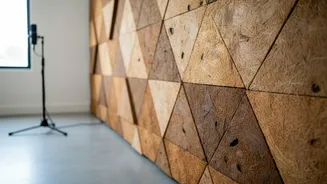
The development of coir acoustic panels is a prime example of green innovation with economic benefits. In India, a major coconut producer, several companies are pioneering this technology, turning local agricultural waste into world-class building materials. This not only addresses a waste management problem but also creates new revenue streams for farming communities. The panels themselves offer a unique, natural aesthetic with their warm, textured finish, appealing to designers who want to create spaces that are both functional and visually appealing. As the demand for sustainable products continues to grow globally, these plant-based solutions are poised to capture a significant share of the multi-billion dollar acoustics market.