







Understanding the Basic Premise
First, let's clear up a common misunderstanding. Visa-on-arrival (VoA) is not the same as visa-free travel. Visa-free means you can enter a country with just your valid passport, often for a specified period, without needing to apply or pay for a visa.
In contrast, VoA means you still require a visa, but the application process happens at the port of entry in your destination country, rather than at an embassy beforehand. You will need to queue at a specific counter, present documents, pay a fee, and wait for an immigration officer to grant you entry by stamping a visa into your passport. It is a convenience, not a right, and certainly not a guarantee of entry.
The Non-Negotiable Document Checklist
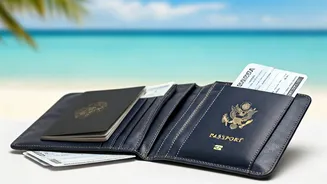
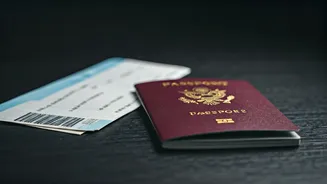
Treating VoA like a casual affair is the fastest way to get into trouble. Immigration officials operate on checklists, not good faith. Before you even leave India, your airline will verify your documents, as they can be fined for transporting inadmissible passengers. You must have a passport with at least six months of validity from your date of arrival. This is a firm rule. You will also need confirmed return or onward flight tickets, proof of accommodation for your entire stay, and sometimes, proof of sufficient funds. Many countries, like Thailand, specify a cash amount you must be able to show, often in a specific currency. Having digital copies is good, but always carry printed backups of everything.
Case Study: Thailand and Indonesia
Let's look at two popular destinations for Indian travellers. As of July 2026, Thailand has moved India from its visa-free list back to the Visa on Arrival category. This means Indian tourists now need to obtain a VoA for stays of up to 15 days, which involves paying a fee of 2,000 THB in cash at the airport. You also need to fill out a Thailand Digital Arrival Card (TDAC) online before you fly. Indonesia also offers a VoA for Indians, valid for 30 days and extendable once. The fee is around IDR 500,000. However, Bali also imposes a separate tourist levy, which should be paid online before arrival to avoid queues. These examples show how rules are country-specific and can change, highlighting the need to check official sources before every single trip.
Common Mistakes and How to Avoid Them
Many travellers are denied entry at VoA counters for easily avoidable reasons. The most common is having a passport with less than six months' validity. Another major issue is not having the visa fee in the required currency and in cash. Many VoA counters do not accept credit cards. Arriving without printed proof of hotel bookings or a return flight ticket is another red flag for immigration officers. Even a seemingly small detail, like an incomplete or inconsistently filled arrival form, can lead to delays or denial. The purpose of your visit must be clear and supported by your documents. Any ambiguity can be interpreted as a reason to deny entry.
It's a Privilege, Not a Right
The core message is this: a country offering Visa on Arrival is extending a facility, not an open invitation. The final decision to let you enter rests entirely with the immigration officer at the counter. They have the authority to deny entry without providing a detailed explanation if they are not satisfied with your documents or your answers. Being polite, organised, and having all your paperwork in perfect order is crucial. Never argue with immigration officials. Instead, approach the process with the seriousness it deserves. Your dream holiday depends on successfully navigating this final bureaucratic hurdle, and being prepared is your best and only strategy for success.