





1. Embrace Compression Packing Cubes
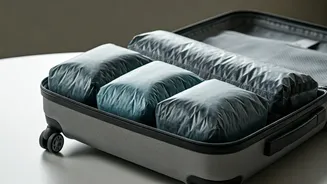
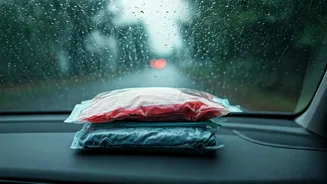
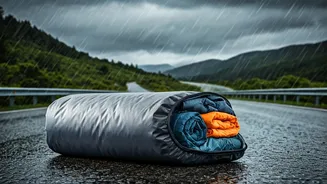
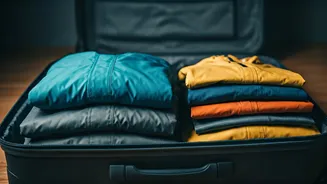
This is the single biggest game-changer for packing bulky items. Unlike regular packing cubes that just organise your clothes, compression cubes have an extra zipper that squeezes out all the excess air. They act like a reusable, soft-shell vacuum bag.
A puffy windcheater or a fleece jacket that would normally consume a quarter of your bag can be flattened to a fraction of its size. For a monsoon trip, use one large compression cube for your raincoat and other bulky layers. You’ll be shocked at how much space you save. It’s the difference between checking a bag and walking straight out of the airport.
2. Select Smart, Quick-Dry Fabrics
The secret to packing light for the monsoon isn't just how you pack, but *what* you pack. Leave your heavy cotton jeans and hoodies at home; they are bulky, absorb moisture, and take ages to dry in humid weather. Instead, opt for lightweight, synthetic, and quick-drying fabrics. Think polyester blends, nylon, and merino wool. A thin, packable waterproof jacket made of Gore-Tex or a similar material offers better protection than a bulky plastic raincoat and takes up far less space. For your regular clothes, quick-dry t-shirts and travel pants will not only save room in your luggage but can also be washed and dried overnight in your hotel room.
3. Master the Art of Rolling
You’ve probably heard of rolling your clothes, but for bulky items, a specific technique called the 'ranger roll' or 'army roll' is far more effective. This method involves folding the item tightly and then using an edge (like the cuff of a jacket or the hem of a shirt) to tuck the entire roll into a tight, secure bundle that won't unravel. Search for a quick video tutorial on this method. It works wonders for soft jackets, sweaters, and even thicker pants. By creating dense, compact logs of clothing, you eliminate the air pockets that waste so much precious space in your hand luggage.
4. Wear Your Bulkiest Items on the Plane
This is the oldest trick in the book for a reason: it works. Your bulkiest item, whether it’s your primary monsoon jacket or your sturdiest pair of shoes, should not be in your luggage—it should be on you. Airports and aeroplanes are often chilly, so wearing an extra layer is usually quite comfortable. If you feel warm while waiting at the gate, you can simply take the jacket off and carry it over your arm. It might feel a bit cumbersome for a few minutes, but it frees up a massive amount of real estate inside your carry-on bag, leaving more room for everything else you need.
5. Invest in Multi-Purpose Gear
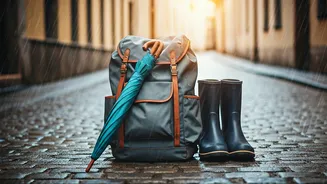
To reduce the number of bulky items you need to pack, choose pieces that can serve multiple functions. Instead of a separate umbrella and a raincoat, consider a high-quality waterproof jacket with a good hood. Look for one that's stylish enough to wear in the evening, not just during a downpour. A waterproof trench coat, for example, can look smart over dinner while offering serious rain protection. Similarly, a 'shacket' (shirt-jacket) made from a warm, quick-dry material can serve as both a mid-layer for warmth and a standalone outer layer for a cool evening.
6. Rethink Your Monsoon Footwear
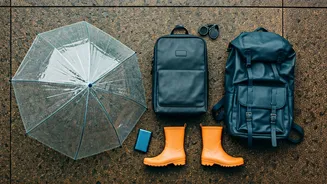
Footwear is often the bulkiest and most awkward item to pack. During the monsoon, you need something that can handle puddles but is also comfortable for walking. Instead of packing heavy rubber gumboots, consider waterproof hiking shoes or sneakers. Many modern brands offer stylish, city-appropriate designs that are fully waterproof yet breathable. They are far less bulky than traditional rain boots. For your second pair, pack lightweight, quick-drying sandals or floaters that take up minimal space and are perfect for lounging or short walks once the rain stops.