

The Great 'Medium Heat' Mystery
Why is 'medium heat' so unreliable? Because no two stoves are the same. A gas stove's 'medium' might be far more powerful than an electric cooktop's. The power of a gas burner is measured in BTUs (British Thermal Units), while electric and induction stoves use watts.
A high-end gas hob can blast out intense heat, while a basic electric coil might struggle to get there. Even on the same stove, the large burner is much more powerful than the small one. This variation is why simply turning the knob to the halfway point is a game of chance. Relying on the dial alone is like trying to navigate a new city without a map; you might get there eventually, but you'll likely take a few wrong turns.
Know Your Stove: Gas, Electric, and Induction
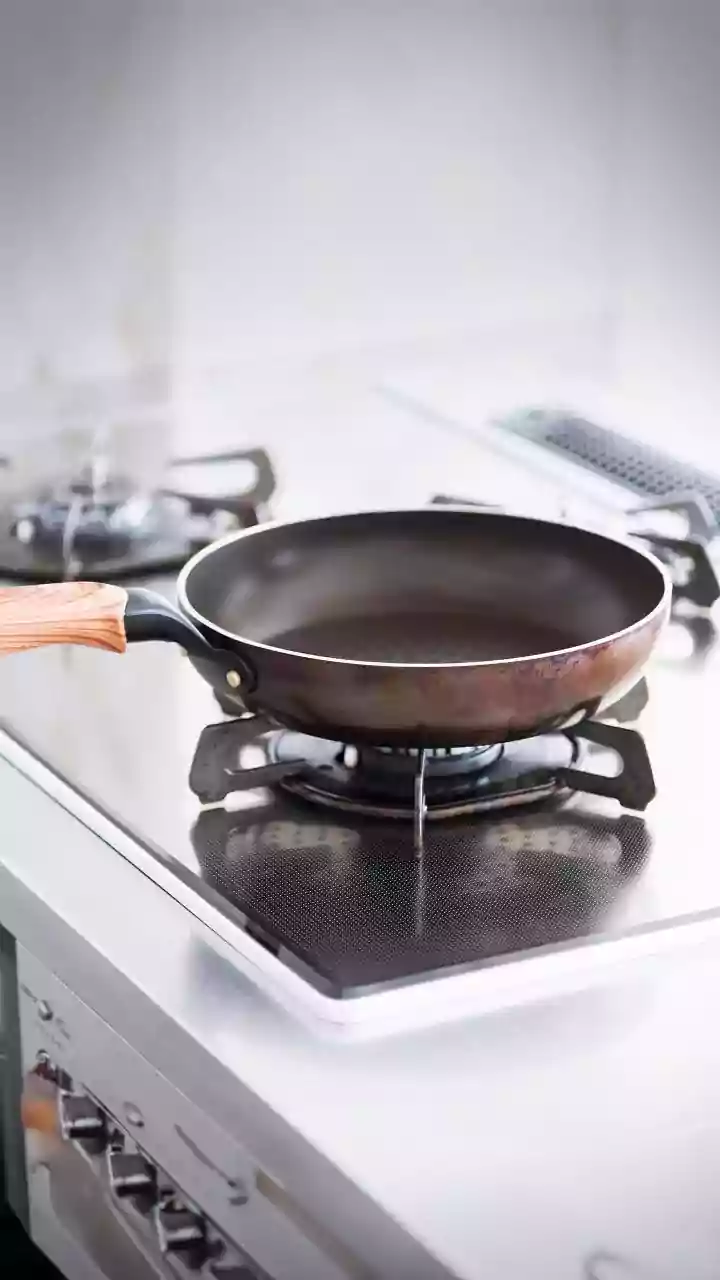
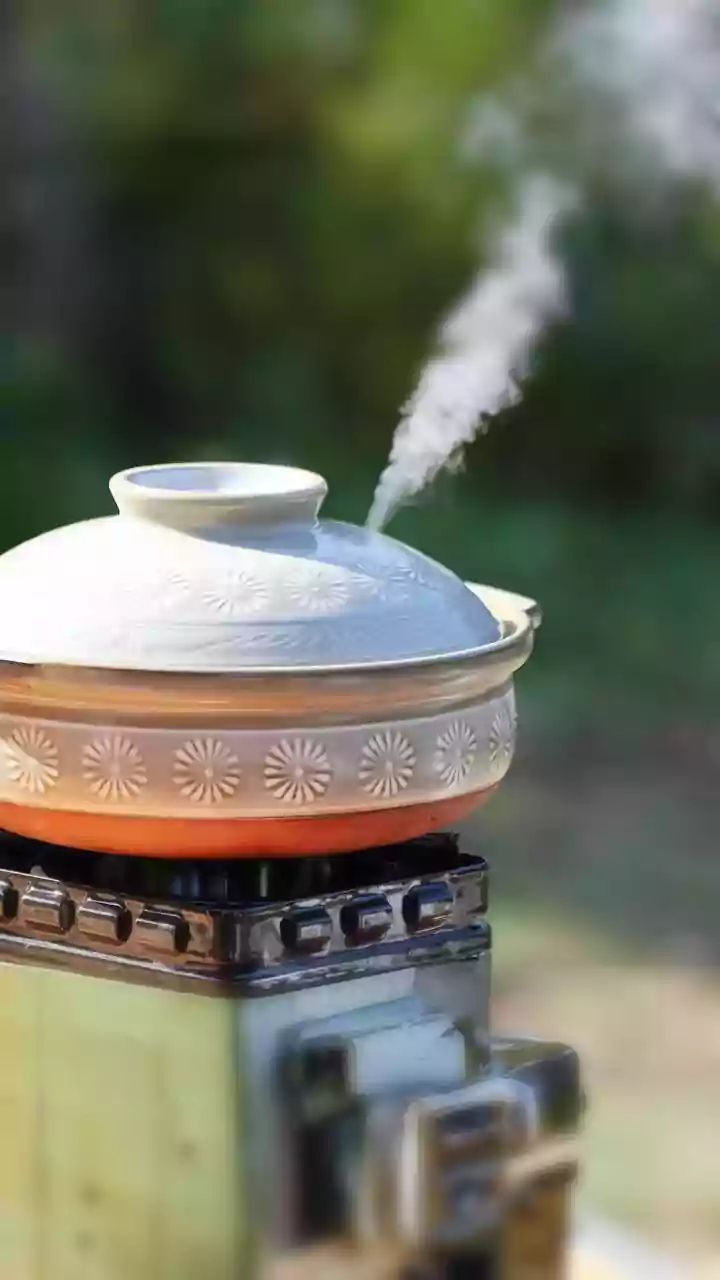
Understanding your cooktop's personality is the first step to mastering it. Gas stoves offer instant, visual feedback; you see the flame grow or shrink, and the pan's temperature changes almost immediately. They are responsive and easy to control. Electric stoves, both the coil and smooth glass-top varieties, have a lag time. They are slower to heat up and, more importantly, slower to cool down. If your pan gets too hot on an electric stove, you might need to move it off the burner entirely to cool it quickly. Induction cooktops are the most different; they use magnetic fields to heat the pan directly, not the stovetop surface. This makes them incredibly fast, precise, and energy-efficient, but they require magnetic cookware like cast iron or stainless steel.
Become a Heat Detective: Use Your Senses
Instead of trusting the dial, learn to read the cues from your pan. Your senses are your best guide. The 'hand hover' is a classic test: hold your palm a few inches above the pan's surface. If you can hold it there for 5-6 seconds, that's low heat. If you have to pull away after 3-4 seconds, you're at medium. Any less than that and you're in high-heat territory. Look at the oil; on medium heat, it should shimmer and flow freely. For higher temperatures, a small piece of bread dropped in the oil should turn golden brown in about 40 seconds. Another great indicator for deep frying is to dip the end of a wooden spoon or chopstick into the oil. If it bubbles steadily, the oil is ready.
The Magic of the Water Drop Test
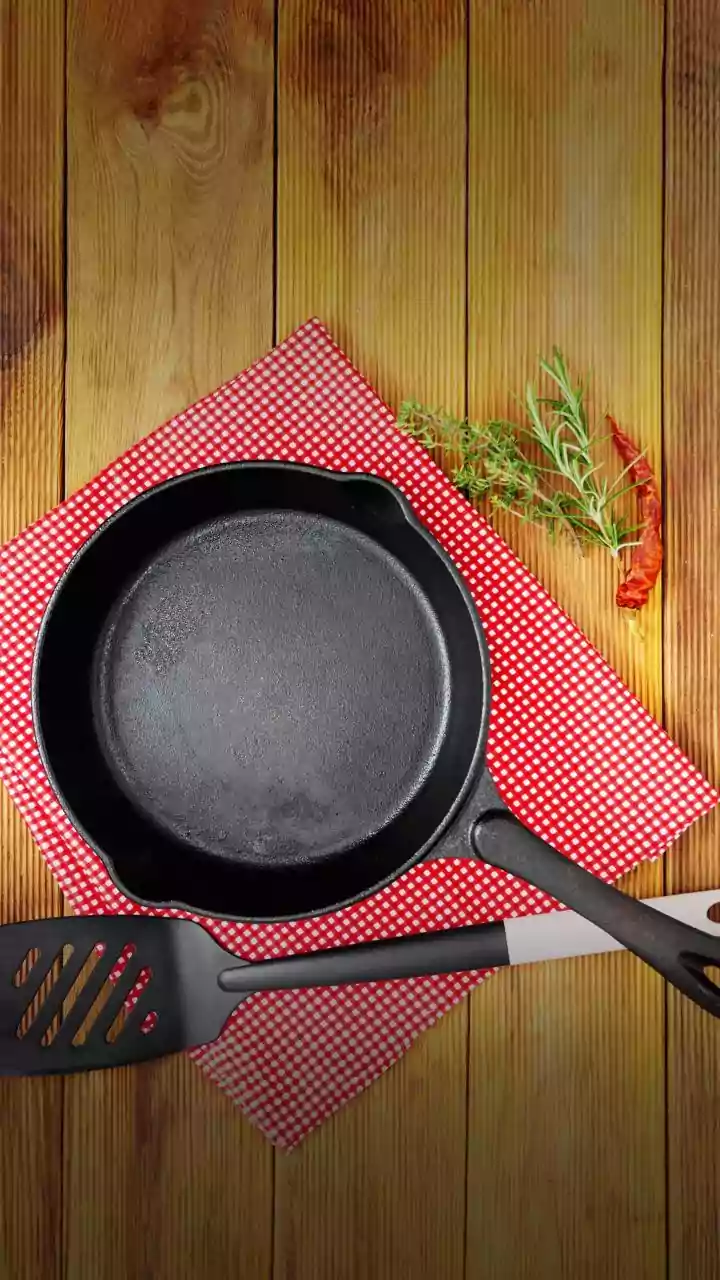
For stainless steel or cast iron pans, the best way to know you've hit the right temperature for searing is the Leidenfrost effect. Heat your dry pan over a medium-high flame. When you think it's hot, flick a few drops of water onto the surface. If they sizzle and evaporate immediately, the pan isn't hot enough yet. If the drops form a single, slippery ball that glides across the surface like a tiny hovercraft, your pan is perfectly preheated. This vapor barrier created by the steam prevents food from sticking. At this point, you can add your oil, let it heat for a few seconds, and then add your food for a perfect, non-stick sear.
Translating Recipe Jargon
Once you can read your pan, you can translate any recipe. 'Low heat' is for gentle simmering, melting butter without browning, or keeping food warm. You'll see tiny, infrequent bubbles in liquids. 'Medium heat' is the workhorse setting for sautéing vegetables until tender, cooking scrambled eggs, and general pan-frying. Food should sizzle steadily but not aggressively. 'Medium-high heat' is for getting a good brown crust on meats or for stir-frying, where things need to cook quickly without steaming. 'High heat' is mainly reserved for boiling large pots of water for pasta or bringing soups to a boil before reducing them to a simmer.