



The Allure of the Trend
Every year on August 7, India celebrates National Handloom Day, a date that commemorates the 1905 Swadeshi Movement's call for self-reliance. In 2026, as in years past, the day is marked by a surge of interest in handwoven textiles. Social media influencers,
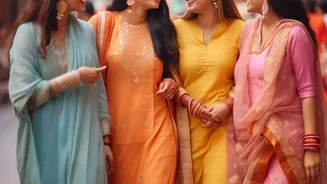
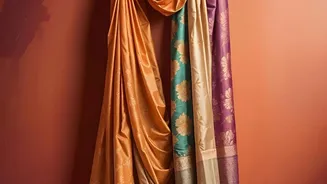
brands, and conscious consumers showcase their favourite sarees, dupattas, and shawls, celebrating the beauty of indigenous craftsmanship. Handloom is positioned as ethical, sustainable, and uniquely Indian. It becomes a trend—a desirable commodity for those looking to connect with heritage through their wardrobe. But this annual celebration, while well-intentioned, often papers over the deep-seated issues that plague the very industry it aims to honour. Treating handloom as a seasonal trend risks reducing a vital economic sector and a cultural legacy into a consumable, momentary fashion statement.
A Workforce of 3.5 Million
The headline's figure is not an exaggeration. According to the Handloom Census of 2019-20, the sector employs approximately 3.52 million (35.2 lakh) people in direct and allied activities, making it the country's second-largest rural employer after agriculture. A significant majority of these artisans—nearly 73%—are women. However, behind this staggering number is a story of struggle. Many weavers earn meagre wages, with some reports indicating that a majority of workers earn less than what is considered a sustainable income. They face a barrage of challenges: the rising cost of raw materials like yarn and dyes, fierce competition from cheaper, mass-produced power loom products, and limited access to modern markets. The younger generation, seeing the economic precarity, is increasingly migrating to other professions, creating a crisis of skill and succession.
Power Looms and Fading Fortunes
The single greatest threat to the handloom weaver is the power loom. Mechanised looms can replicate designs faster and at a fraction of the cost, flooding the market with lookalikes that many consumers cannot distinguish from authentic handwoven textiles. This unfair competition drives down prices and devalues the painstaking labour and skill inherent in handloom. It takes a weaver weeks to create a complex saree that a power loom can churn out in a day. While the government has implemented numerous schemes, including the National Handloom Development Programme (NHDP) and the Weavers' MUDRA Scheme, their impact is often blunted by the sheer scale of the challenges and issues with on-ground implementation.
Beyond the Hashtag: What Real Support Looks Like
If handloom is to survive as more than a museum piece, the focus must shift from trend-based consumption to sustained, meaningful support. This involves a fundamental change in the consumer mindset. It means understanding that the higher price of a handloom product is not a luxury markup, but a reflection of human effort, skill, and time. Real support is about asking questions: Where did this come from? Who made it? It’s about learning to distinguish the subtle imperfections and unique character of a handwoven piece from a machine-made replica. For the industry, it means better enforcement of laws like the Handloom (Reservation of Articles for Production) Act, improving direct market access for weavers to reduce dependency on middlemen, and investing in design innovation that respects tradition while catering to contemporary tastes. Government initiatives need to be more robustly funded and monitored to ensure benefits reach the artisans directly.