

The Science of a Ruined Shot
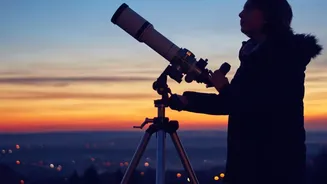
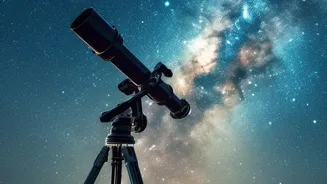
Spiti Valley's high-altitude, cold desert environment is what makes it an astrophotographer's dream. The air is thin, dry, and free of light pollution, offering breathtakingly clear views of the cosmos. However, these same conditions create a specific
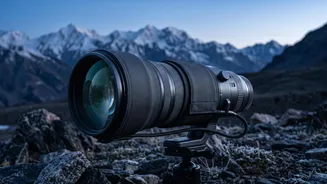
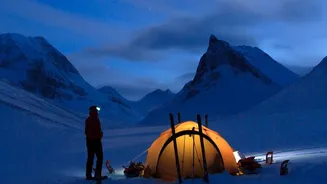
challenge: condensation. As night falls, your camera's glass lens radiates heat and cools down faster than the surrounding air. When its surface temperature drops below the dew point, moisture from the air condenses directly onto the lens, turning your sharp, starry captures into a blurry, washed-out mess. This can happen even on nights that do not feel particularly humid, and once it starts, simply wiping the lens is a temporary fix at best; the fog will return. In the frigid conditions of Spiti, where night temperatures can drop below freezing even in summer, this effect is amplified.
The Simple Solution: A Lens Heater Wrap
The single most effective way to prevent this session-ending problem is a lens heater, also known as a dew heater. This is a simple, flexible fabric strip containing a heating element that you wrap around the barrel of your camera lens, as close to the front glass as possible. Powered by a USB source, it applies a gentle, consistent warmth to the lens. The goal is not to make the lens hot, but to keep its surface temperature just slightly above the ambient air temperature, preventing it from ever reaching the dew point. This ensures your optics remain perfectly clear for hours, allowing you to focus on capturing long exposures or time-lapses without interruption.
What to Look For in a Lens Heater
When choosing a lens heater for a trip to Spiti, there are three key features to consider. First is the power source and connection. Most modern lens warmers are designed to be powered by a standard 5V USB-A port, making them perfectly compatible with the same portable power banks you use to charge your phone. Second, look for a model with a built-in temperature regulator, usually a small controller with low, medium, and high settings. This allows you to adjust the heat output based on the conditions, saving battery on milder nights and providing more power when it gets truly cold. Third, consider the fit. The heater should be long enough to wrap around your widest lens and feature a secure fastening system, like a velcro strap, to ensure a snug fit and efficient heat transfer. Many are made from materials like neoprene which also help insulate the lens.
Powering Your Heater in the Field
A lens heater is useless without a reliable power source, which is a critical consideration in a remote place like Spiti. Your constant companion will be a portable power bank. A standard 20,000mAh power bank is often sufficient to run a lens heater on a medium setting, and sometimes even your camera via a dummy battery, for an entire night. However, it is crucial to test your specific heater and power bank combination beforehand. Some power banks have an auto-off 'feature' that shuts down power if the draw is too low or inconsistent, which can sometimes be an issue with the heater's low-power modes. For serious photographers running multiple heaters or other gear, a larger portable power station with a LiFePO4 battery might be a better investment for its reliability and capacity. Always carry fully charged spares, as batteries drain much faster in the cold.
Extra Tips for Clear Lenses
While a heater is the primary defence, a few other good habits can help. Using a lens hood is a simple, effective first step. It helps by partially shielding the lens from the cold open sky, which can delay the formation of dew. Also, give your gear time to acclimatise. When bringing a camera from a warm homestay out into the cold night, keeping it in your bag for 20-30 minutes allows it to cool down more gradually, reducing the initial shock of condensation. Some photographers also keep a few packets of silica gel desiccant in their camera bags to help absorb ambient moisture. Combining these small habits with a reliable lens heater wrap will give you the best possible chance of bringing home the stunning, crystal-clear astrophotos that Spiti is famous for.