
A Quick Look Back at BS-VI
To understand where we are going, it is crucial to remember the jump we made in April 2020. India skipped BS-V entirely and moved directly from BS-IV to BS-VI, a massive step that significantly cleaned up our fuel by drastically reducing sulphur content.
The BS-VI norms also introduced stricter limits on pollutants like Nitrogen Oxides (NOx) and Particulate Matter (PM) and, in its second phase, brought in Real Driving Emissions (RDE) testing to measure a car's emissions on actual roads, not just in a lab. This set the stage for a new era of cleaner vehicles.
The Core Idea Behind BS-VII
The proposed BS-VII norms, expected to be rolled out in phases starting from April 2029 for passenger cars, are less about reinventing the wheel and more about refining and expanding it. While the current BS-VI rules focus heavily on tailpipe emissions in a controlled setting, BS-VII aims to ensure vehicles remain clean throughout their entire operational life and under real-world conditions. It also expands the very definition of vehicle pollution, looking beyond just the exhaust pipe.
Real-World Performance is Key
Perhaps the most significant difference is the intense focus on lifetime compliance and real-world performance. While BS-VI introduced RDE testing, BS-VII proposes to make it more rigorous. The draft rules suggest that from April 2030, vehicles will be tested with a 'conformity factor' of 1.0, which means their on-road emissions cannot exceed the lab-tested limits. Furthermore, new On-Board Monitoring (OBM) systems will be required to continuously track emissions like NOx and PM and flag any major deviations. This shifts the focus from a one-time passing grade at the factory to continuous good behaviour on the road. The required durability of emission control systems is also set to increase, with compliance needed for up to 1,60,000 km or 8 years.
Looking Beyond the Exhaust Pipe
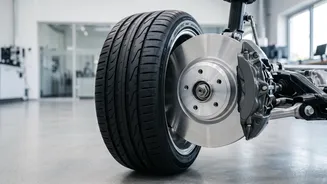
For the first time, Indian emission standards will address non-exhaust sources of pollution. The BS-VII proposal introduces limits on particulate matter generated from brake wear and tyre abrasion. This is a crucial development because these particles are produced by all vehicles, including electric ones. The proposed rules set specific limits for brake particle emissions, which will be phased in from 2031, acknowledging that even zero-emission vehicles contribute to air pollution. For passenger cars, while many of the core tailpipe pollutant limits for CO and NOx may remain similar to BS-VI levels, the measurement of particulate matter is set to become stricter by capturing much smaller, ultrafine particles down to 10 nanometres, instead of the current 23 nanometres.
What About Electric Vehicles?
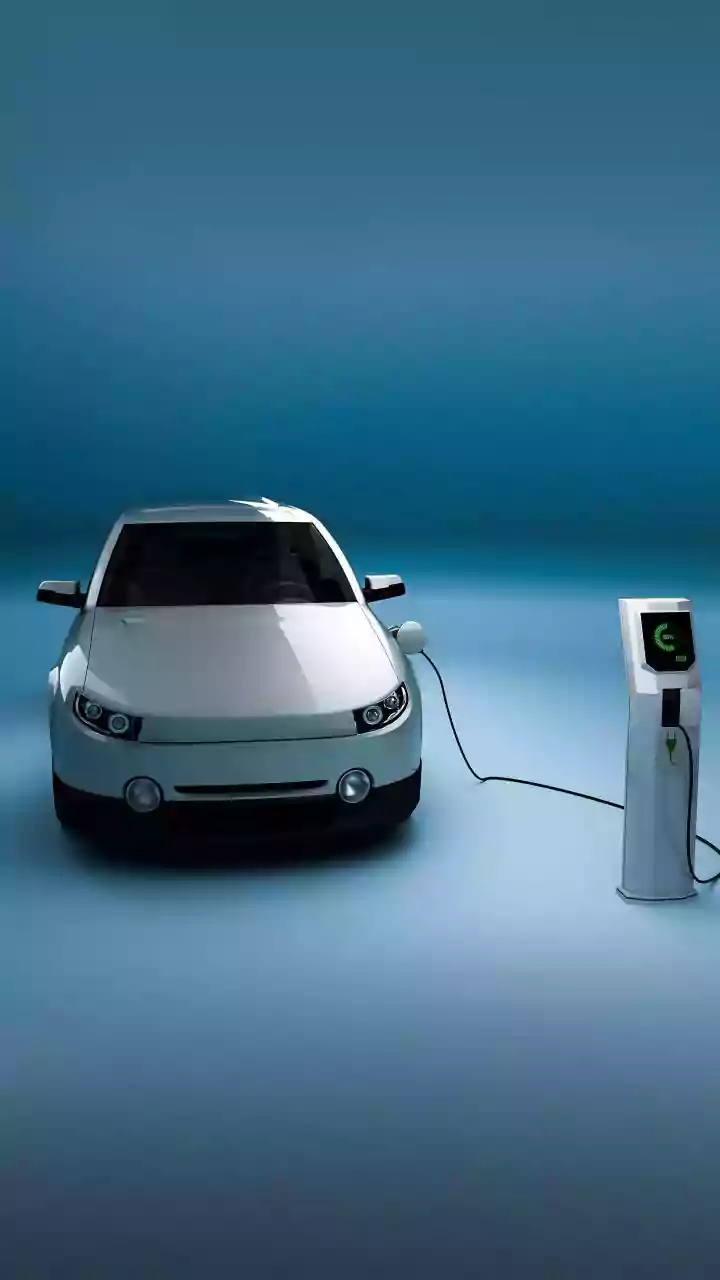
The BS-VII norms are not just for petrol and diesel cars. The proposal includes provisions for a wide range of fuel types, including hybrids and electric vehicles (EVs). For EVs, the focus shifts to the durability and performance of their batteries. The draft rules propose minimum standards for how much energy capacity a battery must retain over time, for instance, keeping at least 75% of its capacity after five years or 1,00,000 km. This is a new dimension of regulation aimed at ensuring the longevity and reliability of green vehicles.
Impact on Consumers and Timelines
The transition will be gradual. The proposed timeline starts with passenger cars and SUVs in April 2029, followed by light commercial vehicles in 2030, and heavy-duty trucks and buses in 2031. Importantly, for current owners, the new rules will only apply to vehicles manufactured after these dates; your existing BS-VI vehicle will not become illegal or obsolete. However, the advanced technology required for BS-VII compliance, such as more sophisticated sensors and monitoring systems, will likely lead to an increase in the price of new vehicles. As part of the new rules, an 'Environmental Vehicle Passport' may also be introduced, giving buyers clear information on a vehicle's emissions and energy efficiency.