



The Evolution of the Runway
For decades, the format of a fashion show was elegantly simple: a raised runway, a procession of models, and an audience of editors and clients. The focus was entirely on the clothes—the cut, the drape, the meticulous handiwork. While this tradition remains
powerful, the digital age is prompting a radical rethink. Today, almost every show has a hybrid component, designed to create a unique experience for viewers both in the room and online. Designers are no longer just presenting a collection; they are building a world. And one of their most exciting new tools is projection mapping.
From Blank Canvas to Moving Art
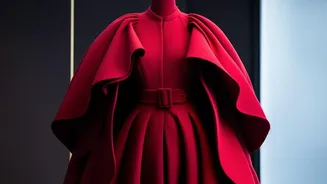
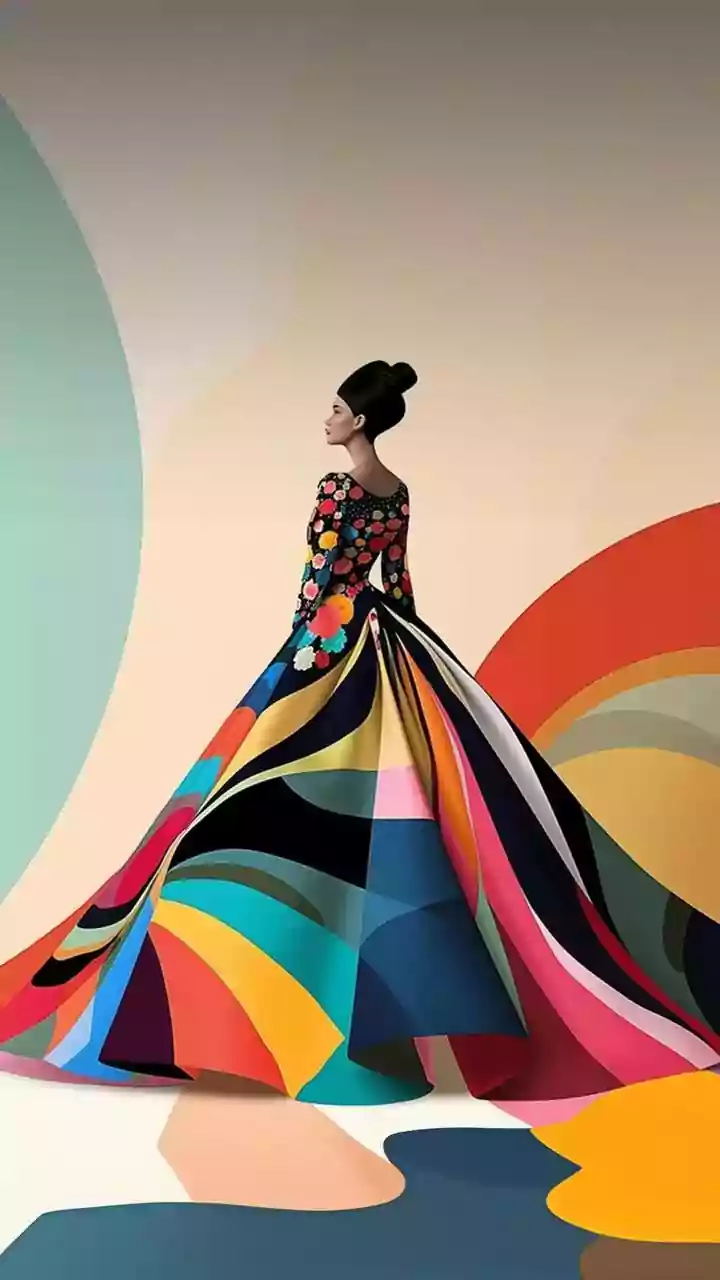
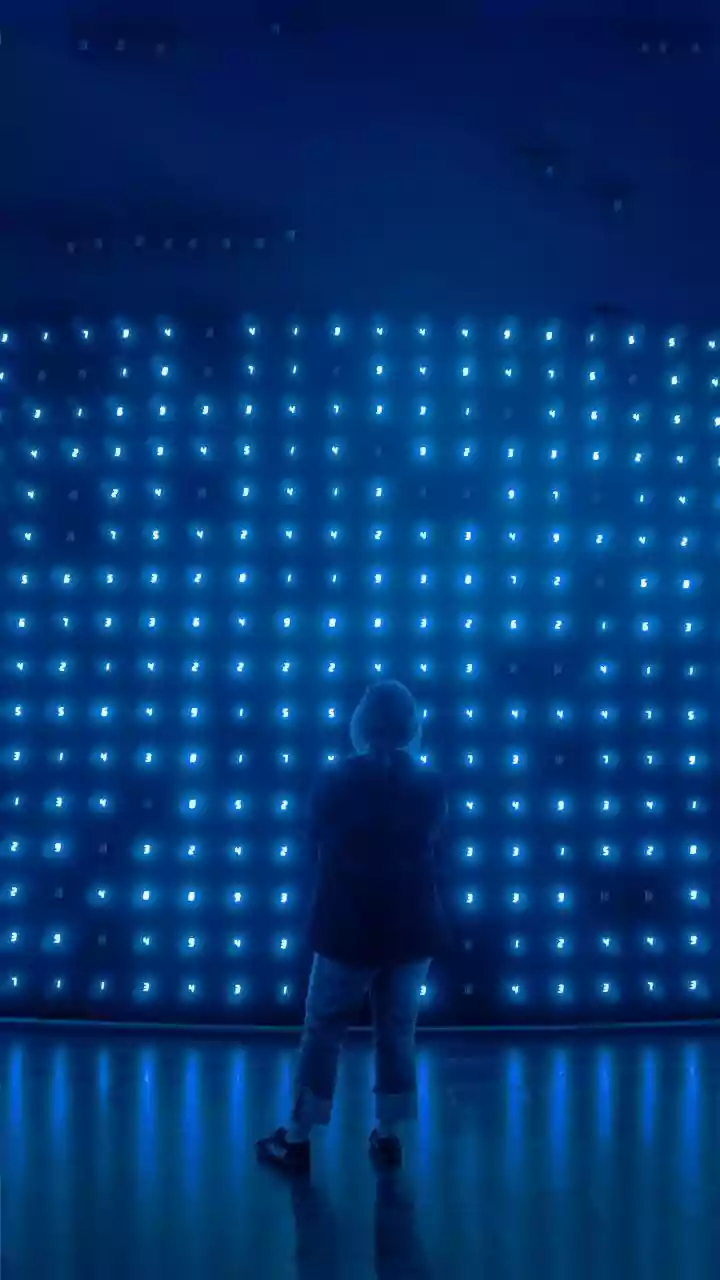
So what exactly is projection mapping? In simple terms, it's a technology that can turn almost any object or surface into a dynamic video display. Instead of projecting onto a flat screen, complex software maps light onto three-dimensional objects. In the context of couture, this means a dress or even the entire catwalk can become a canvas for moving images. Early pioneers like French designer Franck Sorbier used the technology to tell fairytale stories directly on a gown. More recently, exhibitors at Barcelona Bridal Fashion Week turned a suspended chandelier into a 360-degree projection screen that descended over the runway, enveloping the audience in visuals before the first model appeared. This isn't just a background visual; it's a way of integrating storytelling directly into the presentation.
Spotlight on the Innovators
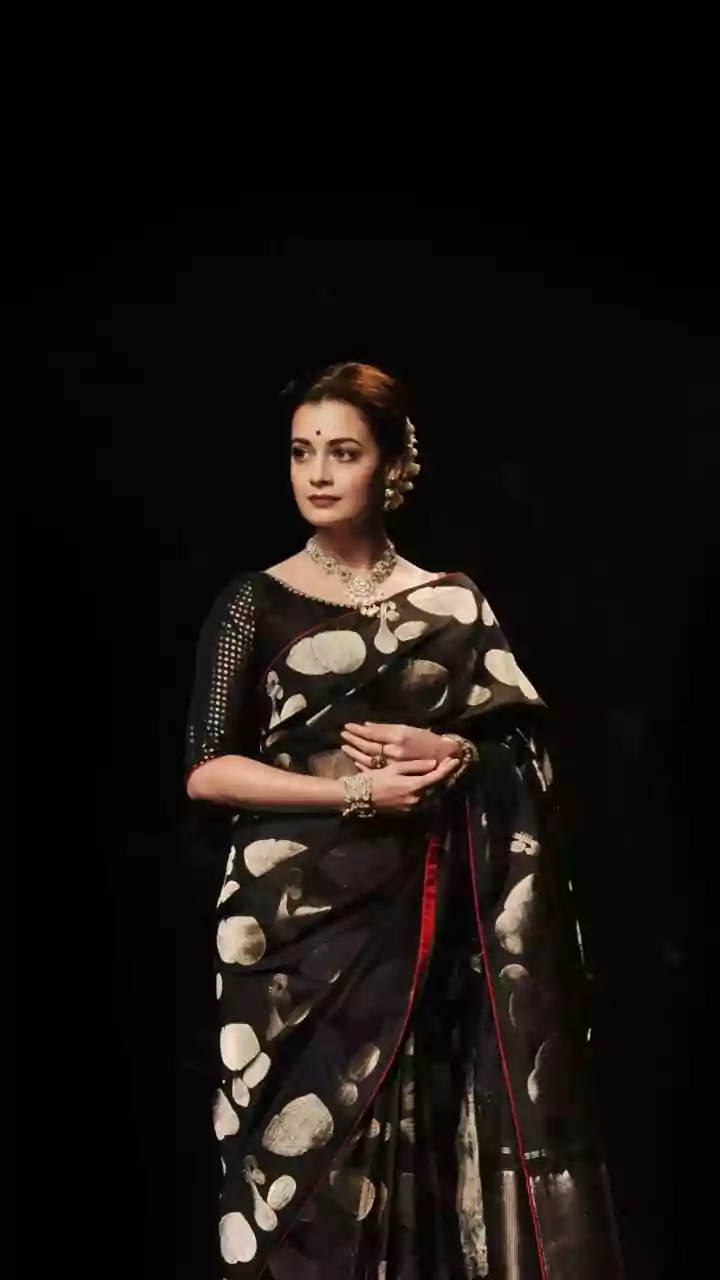
Some of today’s most exciting uses of technology are coming from designers who have deep roots in traditional craft. Indian couturiers, in particular, have been at the forefront of merging ancient techniques with futuristic presentation. Gaurav Gupta, known for his sculptural, avant-garde gowns, often creates collections around philosophical concepts like astral projection or non-duality. His runway shows are immersive events where the set design and lighting are as much a part of the story as the clothes. This approach complements the intense craftsmanship behind each piece, with some garments requiring over 700 hours of hand embroidery. Similarly, Rahul Mishra, the first Indian designer to win the International Woolmark Prize, uses his platform to highlight the skill of his artisans. His collections translate elemental forces and natural behavior into material form, with each stitch serving a conceptual purpose. For these designers, technology is not a replacement for craft but a powerful amplifier of it.
Enhancing Craft, Not Replacing It
The fear with any new technology in a field defined by human touch is that it will overshadow the artistry. However, the most successful integrations of projection and couture do the opposite—they draw the eye to the intricate details. A projection of light moving across a hand-embroidered surface can highlight the texture and dimension of the work in a way that static lighting cannot. A Valentino exhibition, for instance, used 3D mapping to project colourful patterns onto bespoke dresses, creating a stunning display that celebrated the timeless designs. This digital layer adds emotion and context, transforming the viewing from a passive observation into an active experience. It helps the audience appreciate the sheer skill involved in creating a couture garment, where every fold and stitch is a deliberate choice.
The Future of the Fashion Show
Is this blend of digital spectacle and physical craftsmanship here to stay? All signs point to yes. The fashion show is no longer just an industry event; it's a global broadcast. The need to create memorable, shareable moments for a worldwide audience makes these immersive experiences incredibly valuable. As designers continue to push the boundaries of what a fashion presentation can be, technology will play an even bigger role. It offers a bridge between the past and the future, where centuries-old embroidery techniques can coexist with cutting-edge visual effects. This fusion ensures that even as the methods of presentation evolve, the heart of couture—extraordinary craftsmanship and visionary design—remains at the center of the story.