






From Village Hearths to Urban High-Rises
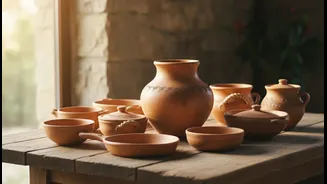
For centuries, earthenware was central to Indian cooking, a staple in kitchens from the Indus Valley Civilization to rural homes just a generation ago. These pots were valued for their affordability and the unique flavour they imparted to food. However,
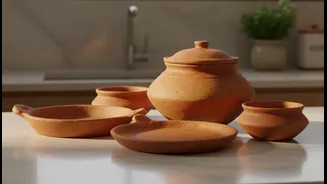
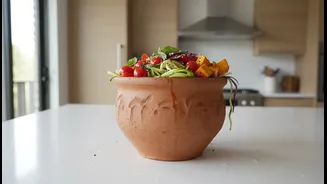
with the advent of convenient metal and non-stick cookware, clay pots were relegated to the status of rustic relics, primarily found in villages or used for specific traditional dishes like biryani or setting curd. Now, a growing consciousness around health, sustainability, and a desire to connect with cultural roots is driving their resurgence among city dwellers. This isn't just about nostalgia; it's a deliberate choice by a new generation to embrace slower, more mindful cooking practices.
The Science of Superior Flavour
Ask anyone who's eaten from a clay pot, and they'll swear the food tastes better. This isn't just imagination; it's science. Clay is porous, allowing heat and moisture to circulate evenly throughout the pot. This slow and gentle cooking process helps retain the natural juices and nutrients of the ingredients, preventing food from drying out. Unlike metal pots that can have 'hot spots' and alter taste, clay's even heat distribution allows flavours to meld and deepen, creating a more aromatic and flavourful dish. Furthermore, the alkaline nature of clay helps neutralize the acidity in foods like tomatoes, lending a subtle, natural sweetness to curries and dals.
A Recipe for Wellness
The health benefits are a significant driver of this trend. Cooking in clay pots often requires less oil, as the pot's ability to retain moisture prevents food from sticking. This makes it a heart-friendly option. The slow cooking process also helps preserve the nutritional value of food, which can be lost with high-heat cooking methods. Moreover, because clay is a natural material, pure, unglazed pots are free from the synthetic chemicals and coatings found in some modern cookware, ensuring no harmful elements leach into your food. Some sources even suggest that beneficial minerals like iron, phosphorus, calcium, and magnesium can be imparted to the food during the cooking process.
More Than Just a Cooking Pot
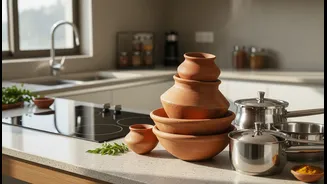
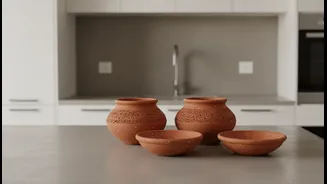
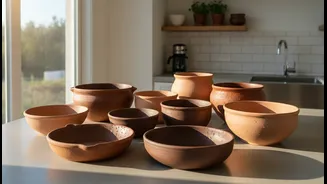
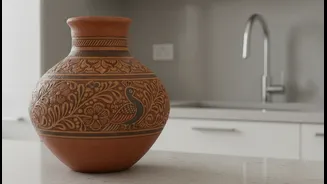
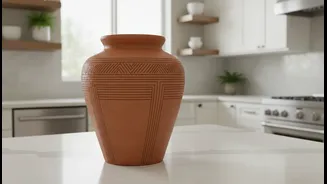
For many, bringing a clay pot into their kitchen is about more than just food. It represents a connection to the earth and a more sustainable lifestyle. Clay is a natural, biodegradable material, making it an eco-friendly choice compared to mass-produced metal and plastic. There is also a distinct aesthetic appeal; the rustic, earthy look of terracotta provides a warm, organic contrast to modern kitchen designs. This trend has also provided a welcome boost to local potters, helping to preserve a traditional craft that has been passed down through generations. In choosing a handmade clay pot, consumers are not just buying a product but supporting an artisan and a piece of cultural heritage.
The Practicalities of Clay
Embracing clay pot cooking does require a slight shift in habits. These pots need to be 'seasoned' before their first use, which typically involves soaking them in water and sometimes treating them with oil to improve durability. They are sensitive to sudden temperature changes—a hot pot should never be doused in cold water—and it's best to start cooking on a low flame, gradually increasing the heat to prevent cracking. For cleaning, harsh soaps and abrasive scrubbers are a no-go, as the porous surface can absorb chemicals. Hot water, a soft scrub, and perhaps some baking soda for stubborn odours are all that's needed. With proper care, a clay pot can be a long-lasting and rewarding addition to any kitchen.