




The Dangers of 'Too Much Love'
More indoor plants die from overwatering than any other cause. [18] While it seems counterintuitive, providing too much water is more dangerous than providing too little. The reason is simple: plant roots need to breathe. Soil that is constantly saturated
lacks the air pockets necessary for roots to absorb oxygen. [2] Without oxygen, roots begin to suffocate, die, and rot. [2, 20] This condition, known as root rot, prevents the plant from absorbing the water and nutrients it needs to survive, leading to a plant that looks wilted and thirsty even when its soil is soaking wet. [18, 21]
Signs You're Overwatering Your Plant
Learning to spot the distress signals of an overwatered plant is the first step to saving it. While some signs can be confusing, a few key symptoms are strong indicators. One of the most common signs is leaves turning yellow and becoming limp or mushy. [3, 11] Unlike the dry, crispy yellow leaves of an underwatered plant, these will feel soft. [11] You might also notice that the plant is dropping both old and new leaves at the same time. [3] Other telltale signs include a mushy stem base, a rotten smell coming from the soil, the appearance of mould on the soil's surface, or a sudden infestation of small black flies called fungus gnats, which thrive in moist conditions. [3, 14]
How to Water Correctly
The golden rule of watering is to check the soil first, not to water on a strict schedule. [1, 8] For most common houseplants, the best method is the finger test: insert your finger about two inches into the soil. If it feels dry at that depth, it's time to water. [1] When you do water, do so thoroughly until you see water flowing out of the pot's drainage holes. [22] This ensures the entire root ball is moistened, encouraging deep root growth. [18] After a few minutes, be sure to discard any excess water that has collected in the saucer. Letting a plant sit in water is a primary cause of root rot. [2, 18] Also consider your pot; a pot without drainage holes is a major risk factor for waterlogging. [7]
It's Not Just About How Often
Watering needs are not static; they change with the seasons and the environment. Plants generally need more water during their active growing season in spring and summer when days are longer and warmer. [8] In the winter, when light is lower and growth slows, you should reduce watering frequency. [1, 5, 19] The type and size of your plant and its pot also play a significant role. [16] A large plant in a small pot will dry out much faster than a small plant in a large pot. [12] Likewise, plants in bright, direct light or in warmer rooms will need water more often than those in low-light or cooler conditions. [25] Succulents and cacti, for example, have adapted to store water and prefer their soil to dry out completely between waterings. [22]
Emergency Care for an Overwatered Plant
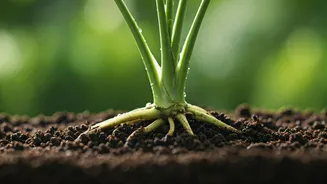
If you suspect your plant is already suffering from severe overwatering and root rot, you may need to perform an emergency rescue. First, gently remove the plant from its pot to inspect the roots. [6] Healthy roots are typically white or tan and firm, while rotten roots will be brown or black, mushy, and may have a foul smell. [3, 20] Using clean, sharp scissors, carefully trim away all the soft, rotten roots. [6, 9] If you remove a significant portion of the roots, it's a good idea to prune back about one-third of the plant's leaves as well; this reduces the stress on the remaining roots as they recover. [13, 24] Finally, repot the plant in a clean pot with fresh, well-draining soil. [6] Wait a few days before watering lightly to allow the roots to settle. [6]