







The Humidity Trap
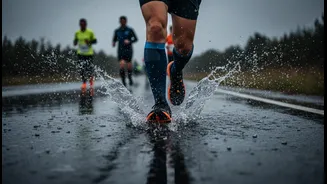
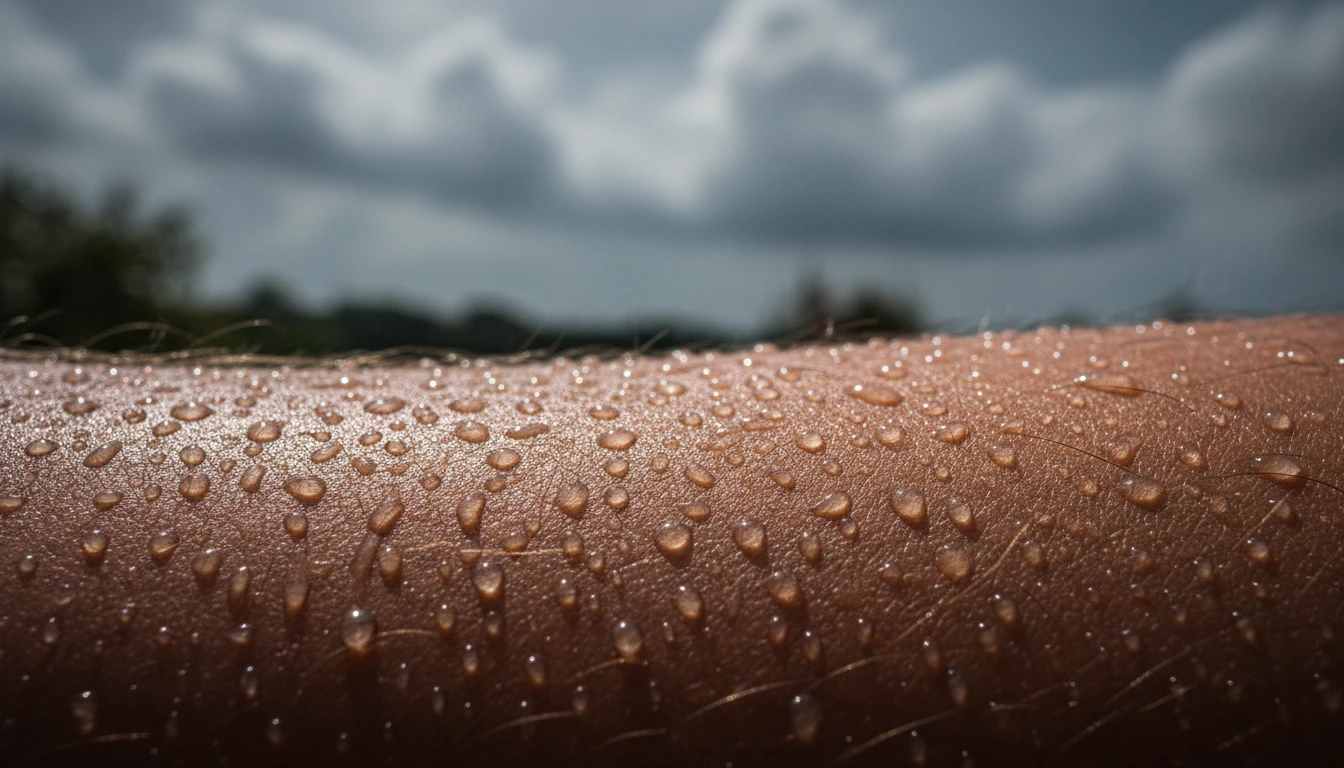
The main culprit behind this elevated risk is humidity. During India's monsoon season, the air is saturated with moisture. Your body’s primary cooling mechanism is sweating, but it only works when that sweat evaporates from your skin, taking heat with it.
When humidity is high, the air is already so full of water vapour that your sweat can't evaporate effectively. Instead, it drips off your body without providing much cooling benefit. Your body, sensing that it's still overheating, responds by producing even more sweat, leading to a vicious cycle of accelerated fluid loss without the cooling payoff. This makes you dehydrate faster than you would in dry heat, even if the temperature is lower.
The Problem with Indoor Workouts
Moving your workout indoors to a gym or your living room seems like a smart move to escape the rain, but it can make the humidity problem worse. Many indoor spaces, especially those that aren't well-ventilated or air-conditioned, trap the hot, humid air. Without good air circulation, the moisture from your sweat and breath hangs in the air, further increasing the room's humidity and hampering your body's ability to cool itself down. An hour-long session that feels manageable on a dry day can become significantly more taxing on your cardiovascular system in a stuffy, humid room as your body works overtime just to regulate its temperature.
Why Young Fitness Enthusiasts Are Vulnerable
Younger people and dedicated fitness lovers often face a unique set of risks. Biologically, adolescents and young adults can be more susceptible to dehydration due to factors like a higher body surface area to mass ratio and a thirst mechanism that isn't as finely tuned as in older adults. Often, by the time a young person feels thirsty, they may already be dehydrated. Psychologically, there's also the "invincibility factor." Motivated individuals might be more focused on pushing through a workout, potentially ignoring early dehydration signs like fatigue, dizziness, or headache. This combination of physiological predisposition and a determined mindset creates a perfect storm for dehydration.
Recognising the Sneaky Signs
Because the cool, rainy weather can be deceptive, it's crucial to recognise the subtle signs of dehydration that go beyond just feeling thirsty. Increased fatigue, unusual irritability, trouble concentrating, and a headache can all be early warnings. One of the most reliable indicators is urine colour; if it's dark yellow, you need to increase your fluid intake. More severe symptoms of heat exhaustion can include heavy sweating paired with cool, clammy skin, a fast but weak pulse, nausea, and muscle cramps. Ignoring these signs can lead to heatstroke, a life-threatening emergency.
Smart Hydration for Humid Workouts
The key to safe indoor workouts during the monsoon is a proactive hydration strategy. Don't wait until you're thirsty. Start hydrating before your workout begins. During your session, aim to drink water every 15-20 minutes. For intense workouts lasting over an hour, plain water might not be enough. Sweating in high humidity depletes not just water but also essential electrolytes like sodium and potassium. Consider adding an electrolyte tablet to your water or having a sports drink. Post-workout, continue to rehydrate and replenish with electrolyte-rich foods like bananas, watermelon, or coconut water.