



1. Neglecting Your Vehicle's Monsoon Check-Up
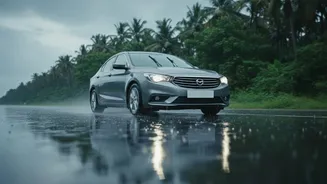
One of the most common mistakes is assuming your vehicle is ready for the onslaught of rain without a proper check. Worn-out tyres are a primary culprit for accidents on wet roads. Good tread depth is crucial for channelling water away and maintaining
grip, but worn tyres can lead to hydroplaning, where your vehicle loses contact with the road and skids uncontrollably. Similarly, brakes require more attention. Wet conditions can significantly increase your vehicle's stopping distance. Neglecting to check brake pads and fluid levels is a gamble you cannot afford to take. Finally, faulty wiper blades that leave streaks on the windshield can severely impair your vision, especially during a heavy downpour when visibility is already poor. Before the season truly sets in, a pre-monsoon service focusing on tyres, brakes, and wipers is a non-negotiable safety step.
2. Underestimating Waterlogged Roads
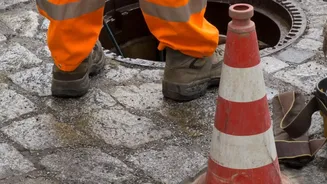
A stretch of water on the road often seems like a minor inconvenience, but it hides a multitude of dangers. For car drivers, attempting to power through a waterlogged patch can lead to a stalled engine if water enters the exhaust or air intake, a condition known as hydrostatic lock which can cause permanent engine damage. For two-wheeler riders, the risks are even greater. Hidden potholes, open manholes, or debris submerged under the murky water can cause a sudden loss of balance and lead to serious accidents. Beyond the immediate physical danger, wading through this water is a significant health hazard. Floodwater is often a toxic mix of sewage, garbage, and animal waste, exposing you to dangerous bacteria that can cause skin infections, and serious diseases like leptospirosis. The safest rule is simple: if you cannot see the surface of the road beneath the water, do not enter it.
3. Rushing and Following Other Vehicles Too Closely
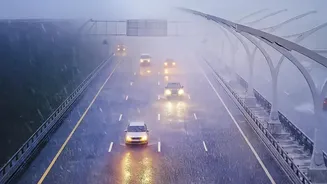
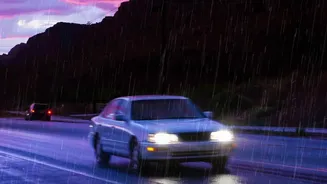
The psychological pressure to get home quickly during a downpour often leads to risky driving behaviour. Rain drastically reduces visibility, not just for you but for every other driver. Following the vehicle in front too closely is exceptionally dangerous because braking distances can nearly double on wet surfaces. Maintaining a larger-than-usual gap gives you more time to react to sudden stops. Speeding is another common error. The faster you go, the higher the risk of hydroplaning, where your tyres essentially ski on a thin layer of water. Experts recommend reducing your speed significantly, especially during heavy showers. Painted road markings, like zebra crossings, become incredibly slippery when wet, and braking hard on them can easily cause a skid. Patience is your greatest ally; slowing down and keeping a safe distance is more important than saving a few minutes.
4. Ignoring Electrical and Health Hazards
The risks of a monsoon commute extend beyond just traffic accidents. Fallen power lines or exposed electrical wiring in waterlogged areas pose a lethal threat of electrocution, a danger that is often invisible. It is crucial to stay away from electric poles and transformers when navigating flooded streets. Health risks are also frequently overlooked. Walking through stagnant water with even minor cuts or cracked heels can introduce bacteria into your body, leading to infections. Constant exposure to dampness, whether from wet clothes or wading through puddles, creates an ideal environment for fungal infections like athlete's foot. Coming into contact with contaminated water can also lead to waterborne diseases like diarrhoea, cholera, and typhoid. Changing out of wet clothes and shoes as soon as you reach your destination and washing your feet and hands thoroughly are simple but vital precautions.
5. Being Unprepared for Delays and Emergencies
The monsoon is predictably unpredictable. Waterlogging, traffic snarls, and public transport disruptions are common. A major mistake is starting your journey without preparing for the possibility of getting stranded. Always ensure your mobile phone is fully charged before you leave. Keeping a power bank handy is also a wise decision. It is essential to have an emergency kit in your car, which should include a torch, a first-aid kit, some dry snacks, and drinking water. For those using public transport, being aware of alternative routes is crucial. Many transport apps now provide real-time updates on delays or cancellations, helping you make informed decisions instead of waiting endlessly at a rain-swept bus stop or train station. Informing a family member or friend of your route and expected travel time is another simple safety measure, especially if you are travelling late at night.