




The Soul of Indian Comfort Food
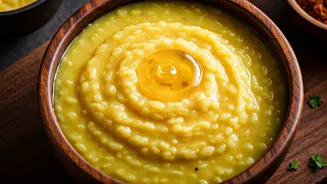
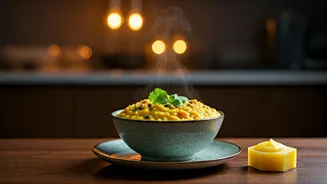
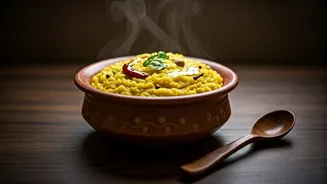
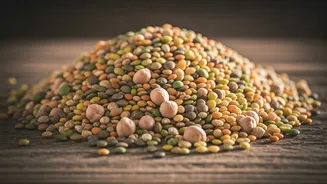
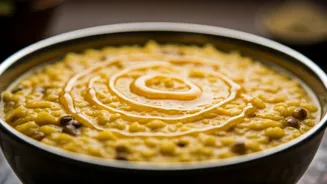
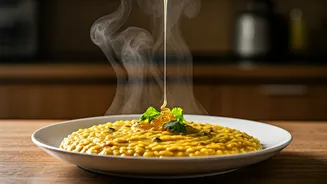
Dal khichdi is more than just a meal; it’s a feeling. Made from rice and lentils, it's the first food given to babies and the go-to dish for anyone feeling under the weather. Its genius lies in its simplicity and digestibility. In Ayurveda, khichdi is considered
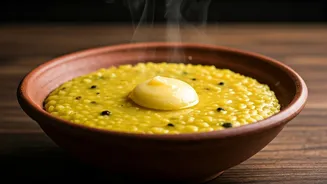
a detoxifying meal that balances the body. While a basic khichdi is nourishing, its transformation from simple sustenance to soulful comfort food happens with the addition of one key ingredient: a generous spoonful of ghee. This final flourish doesn't just add flavour; it completes the dish, adding a layer of richness and aroma that makes it truly satisfying.
What Is A2 Ghee, Really?
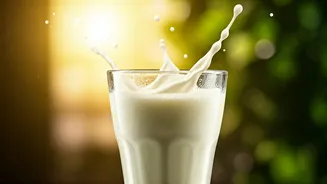
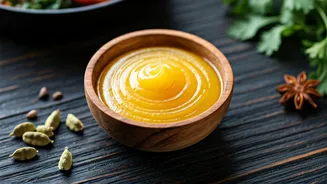
Not all ghee is created equal. The difference between standard ghee and A2 ghee lies in the source: the milk. Most commercial dairy comes from hybrid cow breeds (like Holstein Friesian or Jersey) that produce milk containing A1 beta-casein protein. A2 ghee, however, is made exclusively from the milk of indigenous Indian cow breeds like Gir, Sahiwal, and Red Sindhi. Their milk naturally contains only the A2 beta-casein protein. This genetic difference is significant because, during digestion, the A1 protein can release a peptide called BCM-7, which some individuals find difficult to digest, leading to discomfort and bloating. A2 protein does not produce this compound, making A2 ghee gentler on the stomach and more easily digestible for many people.
Ancient Wisdom Meets Modern Wellness
For centuries, Ayurveda has revered ghee as 'liquid gold,' a substance that nourishes the body and mind. A2 ghee, often made using the traditional 'bilona' method of churning curd, aligns perfectly with this ancient wisdom. Ayurvedic texts describe ghee as a substance that enhances 'Ojas' (vitality) and stimulates 'Agni' (digestive fire). It is rich in butyric acid, a short-chain fatty acid that serves as fuel for the cells lining our intestines, promoting a healthy gut. A healthy gut is the foundation of strong immunity, as a majority of our immune cells reside there. Furthermore, ghee is packed with fat-soluble vitamins like A, D, E, and K, which are crucial for everything from eye health to bone strength. Adding A2 ghee to dal khichdi helps the body better absorb these essential nutrients from the lentils and spices.
The Science of a Perfect Pairing
The marriage of A2 ghee and dal khichdi is a masterclass in food science. Khichdi, being inherently soft and earthy, provides the perfect canvas for the rich, nutty flavour of A2 ghee. Ghee has a high smoke point (around 250°C), making it ideal for preparing the 'tadka' (tempering) of cumin, asafoetida, and other spices that gives khichdi its characteristic aroma without the fat breaking down. This process, known as blooming, releases the full flavour of the spices. Beyond the tadka, drizzling ghee on top at the end adds a final layer of aroma and a creamy mouthfeel that oil simply cannot replicate. This combination is not just about indulgence; it's about making the meal more nutritionally complete and easier to digest.
More Than Just a Topping
In the context of dal khichdi, A2 ghee is not an optional garnish but an integral component. Its rich, slightly sweet, and nutty taste elevates the simple flavours of rice and moong dal into something truly special. Customers who switch to traditional A2 ghee often note its concentrated flavour and distinct aroma, which reminds them of their grandmother's cooking. For a dish that is so deeply connected to healing and comfort, using an ingredient that is itself prized for its digestive and nourishing properties makes perfect sense. The A2 variant, being easier on the gut, ensures that this comfort food remains comforting in every sense of the word, providing nourishment without causing digestive stress.