
The Lithium-Ion Bottleneck
For years, the electric vehicle revolution has been powered by lithium-ion batteries. While effective, they come with a hefty price tag and a complicated supply chain. These batteries rely on materials like lithium, cobalt, and nickel, which are not only
expensive but also geographically concentrated in a few countries. This creates significant geopolitical risks and price volatility. For India, which imports nearly all its lithium, this dependence is a major strategic and economic challenge, hindering the dream of mass EV adoption and self-reliance.
Sodium-Ion: A Cheaper, Abundant Alternative
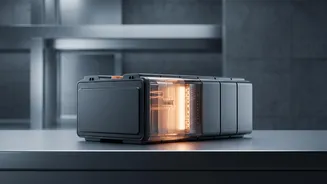
Enter the sodium-ion battery. Its core advantage lies in its basic ingredients. Instead of scarce lithium, it uses sodium, an element abundantly available from common salt. The other components are also common and inexpensive materials like iron, manganese, and aluminium, eliminating the need for costly and controversial cobalt. This fundamental difference in raw materials means sodium-ion batteries have a significantly lower cost floor, with the potential to be 20-30% cheaper than their lithium-ion counterparts once produced at scale.
A Boost for 'Make in India'
The switch to sodium-ion technology aligns perfectly with India's 'Make in India' and 'Atmanirbhar Bharat' ambitions. By utilizing domestically available resources, India can significantly reduce its import bill and insulate its EV industry from global supply chain disruptions. Indian companies are already seizing this opportunity. Reliance Industries acquired UK-based sodium-ion specialist Faradion and plans to build a giga-factory in Jamnagar. Meanwhile, firms like KPIT Technologies, Indi Energy, and Rechargion are developing homegrown sodium-ion solutions, with some even using agricultural waste to produce key components.
The Road Ahead: Performance and Challenges
Sodium-ion technology is not without its challenges. The primary drawback is lower energy density compared to lithium-ion batteries, which translates to a shorter range for EVs of the same weight. This makes them more suitable, at least initially, for smaller urban EVs, two- and three-wheelers, and commercial vehicles where long range is less critical. However, researchers are rapidly closing this gap, and sodium-ion batteries already offer advantages in safety, faster charging in some cases, and better performance in a wider range of temperatures. In fact, some newer designs can charge up to 80% in just six minutes and boast a long cycle life of over 3000 charges.