




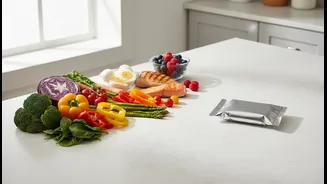



The 'Healthy' Snack Paradox
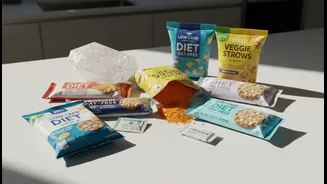
It’s a familiar scene in many Indian households and offices. In an effort to be healthier, we swap out fried samosas or sugary biscuits for packaged snacks labelled 'baked, not fried', 'low-fat', or 'no added sugar'. These can range from baked lentil
chips and whole-wheat crackers to granola bars and 'diet' bhel mixes. The intention isGen is good, but the outcome is often confusing. Instead of feeling full and energised, you feel a brief moment of satisfaction followed by a return of hunger, often stronger than before. This phenomenon has led many to wonder if these supposedly virtuous snacks are secretly sabotaging their health goals. The answer often lies not in the calorie count, but in how these foods are processed and what they do to your body's blood sugar.
Understanding the Blood Sugar Rollercoaster
Every time you eat carbohydrates, your body breaks them down into glucose, which enters your bloodstream. This causes your blood sugar to rise, prompting your pancreas to release insulin, a hormone that helps move glucose into your cells for energy. The speed at which this happens is key. Foods that are digested quickly cause a rapid, high spike in blood glucose. Your body responds with a large surge of insulin to clear the sugar from your blood. This efficient process can be too effective, causing your blood sugar to drop quickly and sometimes below normal levels. This 'crash' is what leaves you feeling tired, irritable, and, most importantly, hungry again, as your brain signals a need for more quick energy. This cycle of a sharp spike followed by a crash is what experts call the blood sugar rollercoaster.
The Hidden Culprits in Diet Snacks
Many packaged 'diet' snacks are prime candidates for starting this rollercoaster, largely because they are ultra-processed. The main culprits are refined carbohydrates. To make snacks light, crispy, and shelf-stable, manufacturers often use refined flours like white rice flour, cornflour, or potato starch. These have been stripped of their fibre. Without fibre to slow digestion, these carbs convert to glucose almost instantly, causing a sharp spike. Puffed rice cakes, for example, have a very high glycemic index (GI), a measure of how quickly a food raises blood sugar. Many diet snacks also contain hidden sugars or use artificial sweeteners. While they don't contain calories, some studies suggest that artificial sweeteners can disrupt appetite signals and increase cravings for sweet things later. The combination of fast-acting carbs and confusing sweetness signals can create a perfect storm for metabolic disruption.
How the Crash Triggers Overeating
The blood sugar crash is more than just a feeling of low energy; it's a powerful biological trigger for overeating. When your blood sugar plummets, your body goes into self-preservation mode. It releases hunger hormones like ghrelin and stress hormones like cortisol, creating intense cravings. These aren't gentle nudges for a balanced meal; they are urgent demands for fast-acting energy, which usually means more sugar or refined carbs. You reach for another snack to quell the hunger, and the cycle begins anew. Research from the National Institutes of Health has shown that people tend to eat significantly more calories—around 500 extra per day—when their diet is composed of ultra-processed foods compared to unprocessed foods, even when both diets are matched for nutrients. This demonstrates that the processing itself, not just the ingredients, encourages overconsumption.
Choosing Snacks That Work For You
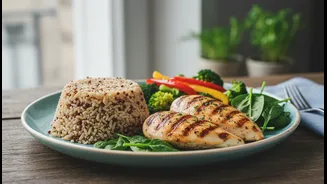
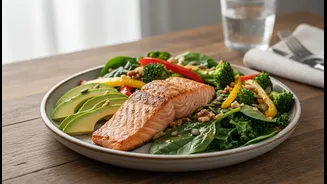
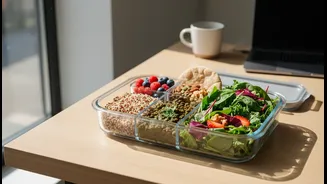
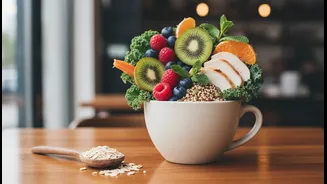
The key to avoiding this cycle isn't to stop snacking, but to snack smarter. The goal is to choose foods that stabilise blood sugar, providing a slow and steady release of energy. This is achieved by focusing on snacks that contain a combination of fibre, protein, and healthy fats. These nutrients slow down digestion and the absorption of glucose into the bloodstream. Instead of packaged crackers, consider a handful of nuts like almonds or walnuts. Instead of a low-fat flavoured yogurt loaded with sugar, opt for plain Greek yogurt with some fresh fruit and seeds. Other excellent choices include boiled eggs, roasted chickpeas (chana), hummus with vegetable sticks, or a simple piece of fruit. These whole foods provide sustained energy and keep you feeling full and satisfied for much longer. When you do buy packaged snacks, become a label detective. Look for short ingredient lists, high fibre and protein content, and minimal added sugars.