



The Ultimate Dining Challenge
Eating in space is far more complicated than just unpacking a meal. In a microgravity environment, simple things become major hazards. Crumbs from bread or biscuits don't fall to the floor; they float, posing a risk to sensitive equipment and air vents.
Even salt and pepper can't be sprinkled; they are provided in liquid form to prevent tiny grains from flying around. Liquids themselves cling to surfaces due to tension, requiring special pouches and straws for drinking. Furthermore, the absence of refrigerators means all food must be shelf-stable for the entire mission duration, capable of withstanding launch vibrations and long-term storage without spoiling.
More Than Just a Meal
Space food is not just about sustenance; it is a crucial tool for astronaut health and morale. The human body undergoes significant changes in space, including muscle atrophy and bone density loss. To counteract this, astronauts require a meticulously planned diet, often between 2,500 to 3,200 calories per day, rich in specific nutrients like calcium, vitamin D, and protein. Beyond the physiological needs, food has a powerful psychological impact. For astronauts isolated hundreds of kilometres from Earth, familiar meals can be a significant comfort, reducing stress and boosting morale. However, there's another challenge: microgravity causes bodily fluids to shift upwards, leading to congestion similar to having a cold. This can dull the sense of smell and taste, making food seem bland.
India's Culinary Space Labs
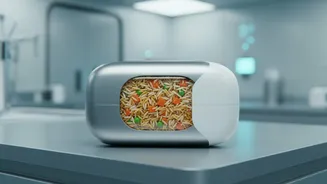
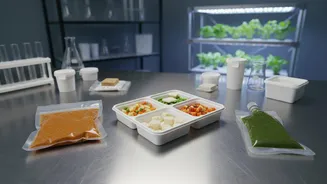
While the headline points to Hyderabad, India's space food programme is a collaborative national effort with key centres of excellence. The Mysuru-based Defence Food Research Laboratory (DFRL), a part of DRDO, is at the forefront, developing a diverse menu for the Gaganyaan mission. They are adapting their long-standing expertise in creating rations for soldiers in extreme conditions for the unique challenges of space. In a significant collaboration, Hyderabad-based institutions like the National Institute of Nutrition (NIN) are working closely with ISRO and DFRL. NIN is helping to fine-tune the nutritional aspects, ensuring the menu meets the precise dietary requirements of astronauts and studying how food behaves in simulated microgravity. Hyderabad's Ananth Technologies is also involved, reportedly developing a smart 'tiffin box' with sensors to hold the meals.
What's on the Gaganyaan Menu?
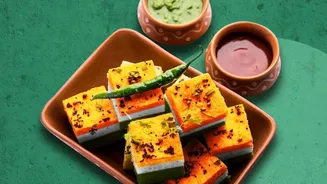
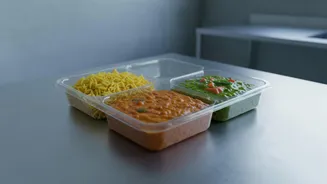
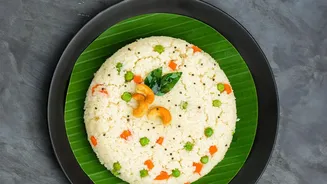
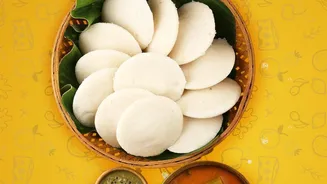
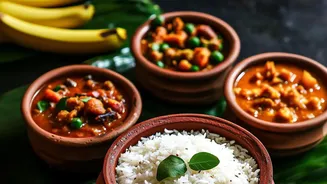
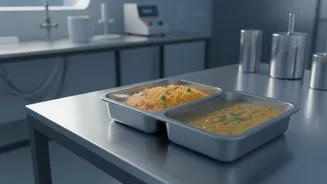
Indian astronauts will have a taste of home among the stars. The DFRL has developed a menu of over 60 ready-to-eat and instantised dishes. The list includes familiar comforts like vegetable biryani, chicken korma, idli-sambar, upma, moong dal halwa, and aloo parathas. These meals are specially processed to be low-fragmentation, meaning they won't create dangerous crumbs. They are prepared to be less spicy than their earthly counterparts to be more palatable in space, but spice sachets may be included for those who want an extra kick. The food is preserved using technologies like retort processing and dehydration, allowing astronauts to simply add water or heat the pouches to prepare their meal. The goal is to provide a nutritious, safe, and psychologically satisfying menu that reminds the crew of home.
The Taste of Success
The process of getting this food flight-ready is rigorous. Each item must pass stringent tests to ensure it is safe and stable. In fact, for a recent mission to the International Space Station, only three of the many Indian dishes prepared by DRDO were cleared by NASA's strict qualification requirements after extensive testing. This highlights the immense technical challenge. The meals for Gaganyaan are designed to be lightweight and compact, served in semi-solid or paste forms in specially designed packets. Scientists are also developing innovative solutions like edible cutlery made from starch to minimise waste in the confined space capsule. This meticulous preparation ensures that when Indian astronauts are in orbit, their meals are not just a source of energy, but a symbol of India's scientific prowess and rich culinary heritage.