


Why Identification Is Everything
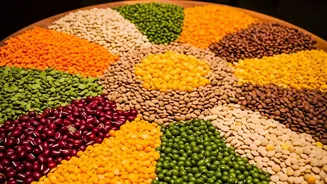
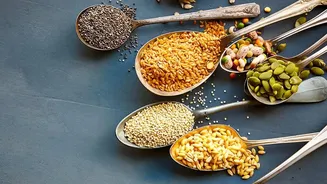
In the world of Indian cooking, pulses like lentils, beans, and chickpeas are foundational. But not all dals are created equal. A simple trip to the grocery store reveals a dazzling array of choices, and grabbing the wrong one can be the difference between
a creamy, comforting dal and a culinary disappointment. The primary reason is texture and cooking time. Different pulses have different densities, fibre content, and starch structures. These factors dictate how long they need to soak and cook to reach that perfect, tender consistency. Overcooking a delicate dal will result in a pasty mess, while undercooking a heartier bean will leave it unpleasantly crunchy. By identifying the pulse correctly, you take control of the cooking process from the very start.
The Three Fundamental Forms
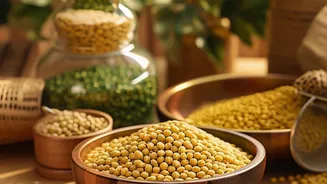
Most Indian pulses come in three main forms, and understanding them is crucial. First is 'Sabut' or whole pulse, which has its skin intact and is completely unprocessed. Examples include sabut moong (whole green gram) and sabut urad (whole black gram). These are the highest in fibre and take the longest to cook. Next is 'Chilka', which means the pulse is split but the skin is still on, like chilka moong dal. This form offers an earthy flavour and has a moderate cooking time. Finally, there's 'Dhuli', meaning washed or hulled, where the pulse is both split and has its skin removed, such as the common yellow moong dal or white urad dal. Dhuli dals cook the fastest because the protective skin is gone, and they break down easily into a creamy texture.
A Tale of Two Yellow Dals: Toor vs. Moong
Let’s take two of the most common yellow dals: Toor (arhar) and Moong. To the untrained eye, they can look similar. However, Toor dal is a split pigeon pea, which is slightly thicker and takes longer to cook. It’s the backbone of dishes like sambar and everyday dal tadka, providing a rich, full-bodied flavour. On the other hand, yellow moong dal is a split and skinned mung bean. It's lighter, smaller, and one of the fastest-cooking dals, often ready in just 15-20 minutes without soaking. If you were to swap Toor for Moong in a recipe that calls for a longer simmer, you'd end up with a watery puree. Conversely, using Toor in a quick moong dal recipe would result in undercooked, hard lentils.
The Great Soaking Debate
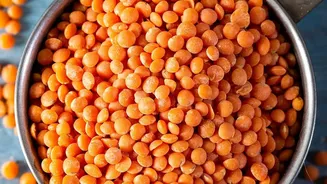
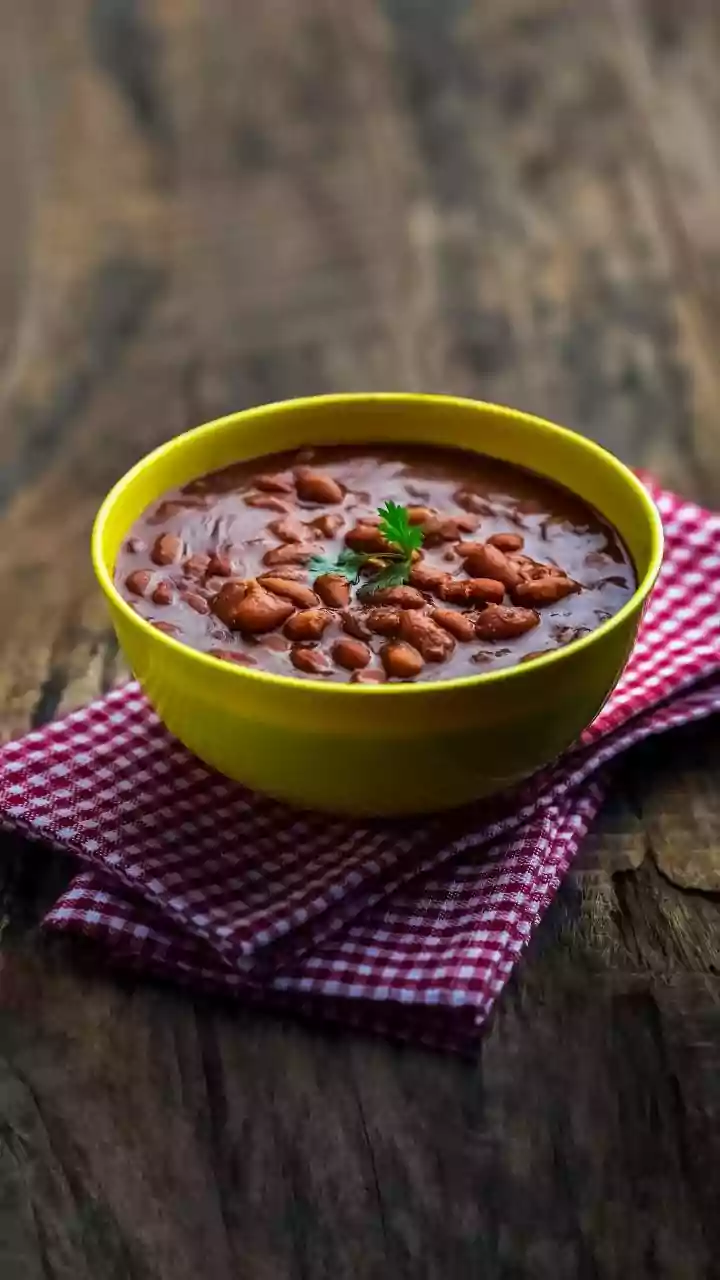
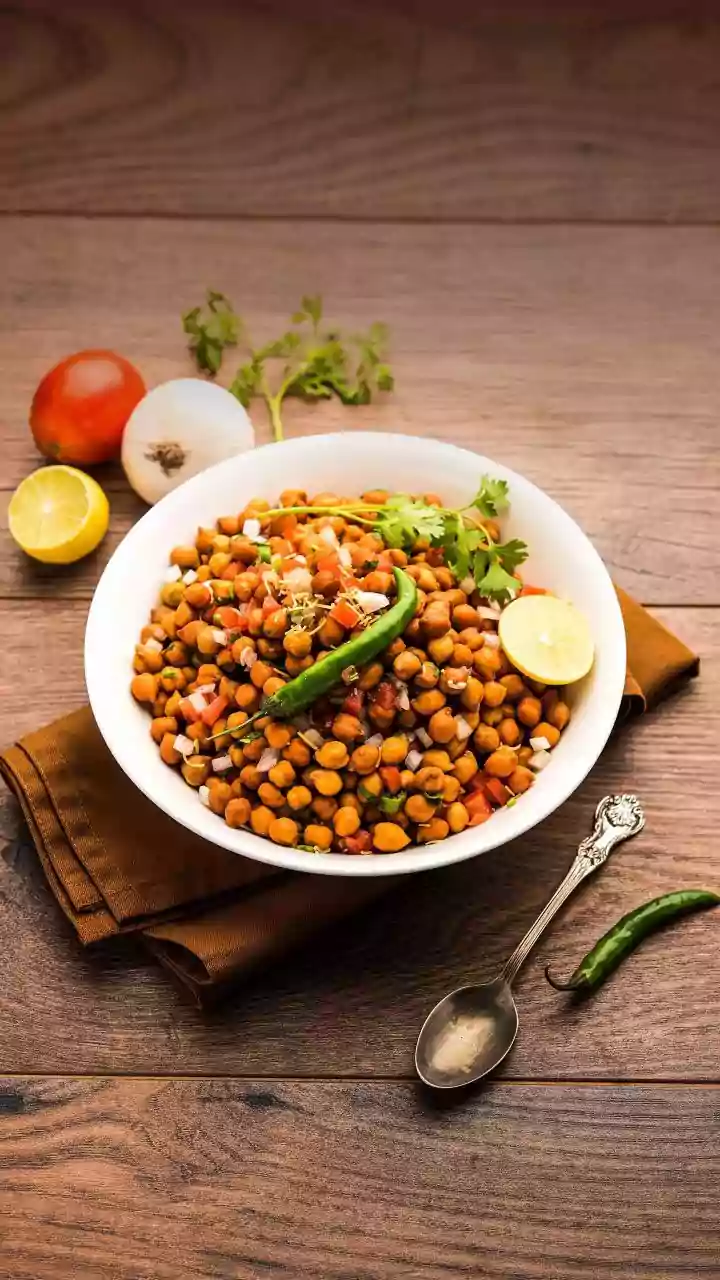
Soaking is another critical step determined by the pulse's identity. Hardy, whole beans like rajma (kidney beans) and chana (chickpeas) absolutely require it. Soaking rehydrates the dried beans, softens their tough outer skins, and dramatically reduces cooking time. It also helps break down complex sugars that can cause digestive issues. For these beans, an overnight soak is best. For some dals like chana dal or whole urad dal, a few hours of soaking is recommended to ensure even cooking. However, quick-cooking split lentils like masoor dal (red lentils) and dhuli moong dal don’t need soaking at all. Knowing which pulses need a long bath and which can jump straight into the pot saves you both time and texture troubles.
From Creamy to Firm: Matching Form to Function
The form you choose directly impacts the final dish. If you're making Dal Makhani, you need the creamy, robust texture that only comes from slow-cooking whole urad dal (sabut urad). Using the split version wouldn't provide the same luxurious mouthfeel. For a light, quick-cooking soup or khichdi, the fast-dissolving nature of yellow moong dal is perfect. For dishes where you want the pulse to hold its shape and provide a firm bite, like a sundal or some curries, chana dal is the ideal choice as it remains firm even after long cooking. Split dals with their skin on (chilka dals) offer a middle ground, providing more texture and fibre than their skinned counterparts but cooking faster than the whole versions.