





From Off-Season to Main Attraction
For decades, the Indian monsoon was considered the travel industry’s ‘off-season’. Tourists fled the coasts, sightseeing itineraries were washed out, and hotels offered deep discounts to lure reluctant guests. The prevailing wisdom was to wait for the sun.
But a significant shift is underway. The monsoon is no longer a bug; it’s a feature. A growing number of Indian travellers are actively seeking out the rains, not as an obstacle to overcome but as the main event. This isn't about finding a cheap deal in a damp hotel. It’s about a fundamental change in what we seek from a holiday: a move away from passive sightseeing and towards active, immersive experiences where the season itself plays a starring role.
Defining the 'Experience'
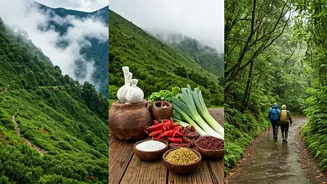
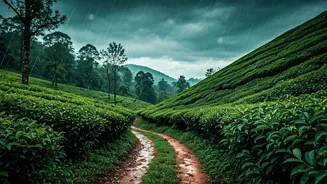
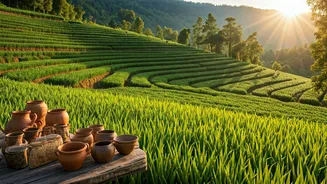
So, what exactly is ‘experience-led’ travel? It’s the difference between seeing a tea garden from a car window and participating in a tea-plucking and tasting workshop. It’s choosing a farm stay where you learn about organic agriculture over a generic hotel. It’s signing up for a pottery class in a rain-drenched village, learning to cook local monsoon delicacies, or going on a guided trek to see waterfalls at their most ferocious. These activities are rooted in connection—to a place, a skill, a culture, or simply to nature. The goal is no longer to collect photos of monuments, but to collect memories of participation. Travel becomes a verb, an action, rather than a noun, a location.
The Monsoon's Sensory Appeal
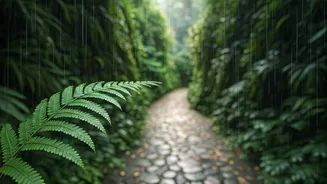
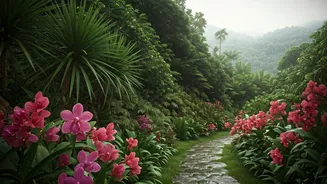
This new travel trend thrives because the monsoon enhances the sensory experience like no other season. The landscape transforms. Dust-brown hills explode into impossible shades of green. The air is thick with the smell of petrichor—the scent of rain on dry earth. In places like Kerala, the backwaters swell, and the sound of raindrops on a houseboat roof becomes a form of meditation. In the Western Ghats, the clouds descend to blanket the mountains, creating a mystical, moody atmosphere perfect for curling up with a book and a hot cup of chai. The focus shifts from the external (what you can see and do) to the internal (how it makes you feel). This introspective, cosy mood is something travellers are now willing to pay a premium for.
New Hotspots for a Rainy Day
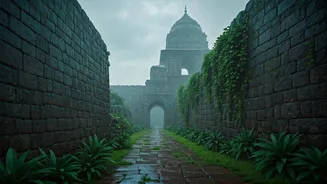
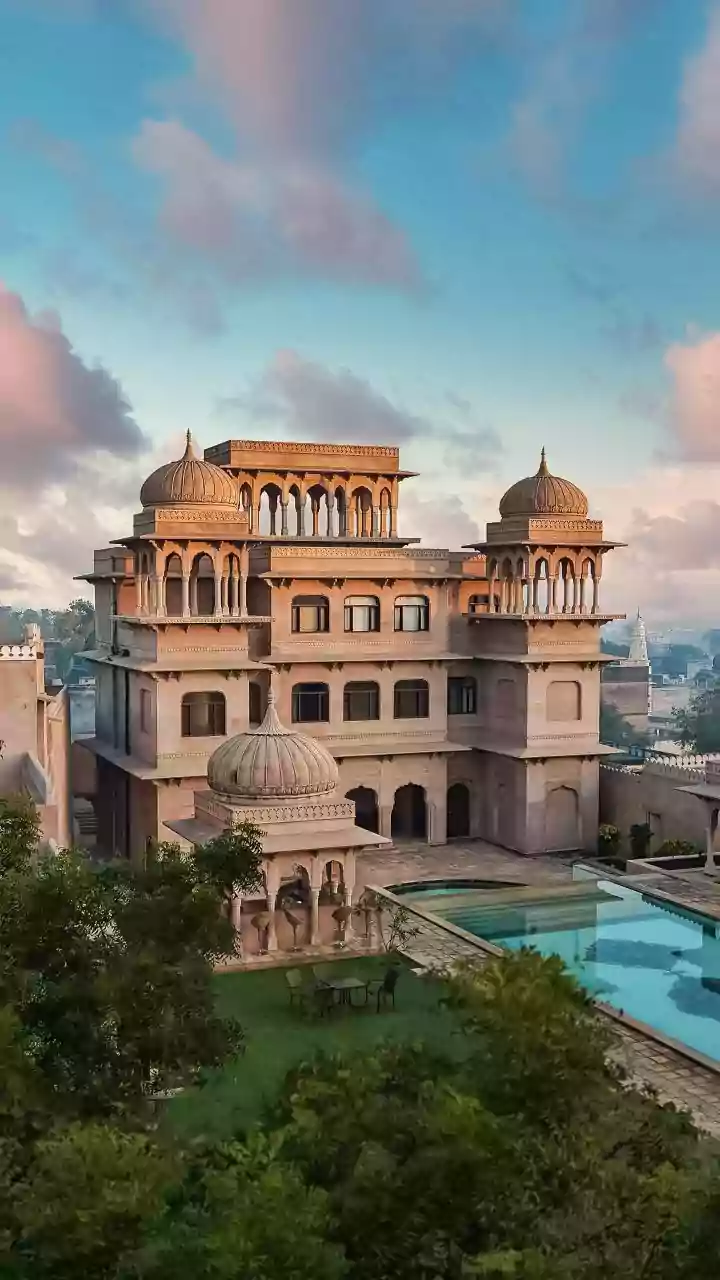
While traditional monsoon destinations like Goa and Kerala remain popular, they are being reimagined. Travellers are exploring Goa’s quiet, green hinterlands, far from the shuttered beach shacks. They are flocking to Kerala not just for the backwaters but for Ayurvedic wellness retreats, where the cool, moist air is considered ideal for treatments. Beyond the usual suspects, new hotspots are emerging. Coorg and Chikmagalur in Karnataka offer immersive coffee plantation stays. The hills of the Kumaon region in Uttarakhand are dotted with boutique homestays offering solitude and stunning cloud-filled valley views. Even the arid landscape of Rajasthan offers a unique charm, with its lakes refilling and its forts looking dramatic against stormy skies, attracting those looking for a different kind of monsoon magic.
A Portrait of the Modern Indian Traveller
This trend says a lot about the evolving Indian traveller. It reflects a desire for slower, more meaningful journeys that offer a break from hectic urban lives. After years of checklist-driven tourism, people are seeking authenticity and a genuine sense of place. There's also a growing appreciation for India's own natural and cultural diversity. Instead of aspiring only to international destinations, travellers are discovering the profound beauty of their own backyard, particularly during its most dramatic season. It signals a maturation of the domestic travel market, where the quality of the experience now trumps the prestige of the destination. This is travel that values feeling over seeing, and participation over observation.