
More Than a Sweet Treat
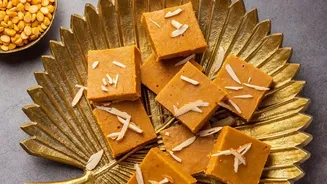
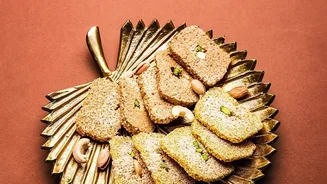
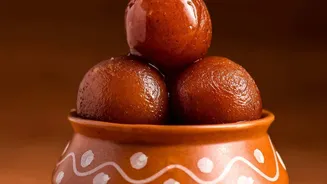
In India, mithai is never just dessert. It is a symbol of joy, prosperity, and togetherness woven into the fabric of every celebration. The phrase 'muh meetha karo' (sweeten your mouth) marks every good tiding, from a new beginning to a shared success.
During festivals like Diwali, Holi, and Ganesh Chaturthi, sweets are prepared as offerings to deities, shared with loved ones, and exchanged as gifts that strengthen community bonds. This act of sharing is a tradition that transcends regional and religious lines, uniting people through the simple joy of sweetness. While nationally popular sweets have their place, the true diversity of India’s culinary soul is found in the specific mithai tied to local festivals, many of which are prepared only during these special times.
A Culinary Map of Festive India
Venturing into regional festival specialities is like taking a delicious tour of the country. In Bihar and Eastern UP, the air during Chhath Puja is thick with the aroma of Thekua, a rugged, deep-fried biscuit made from wheat flour and jaggery. Considered a pure offering to the Sun God, its preparation is a deeply spiritual ritual. Travel west to Goa, and during the Feast of the Assumption or Ganesh Chaturthi, you'll find Patoleo. This delicate sweet involves a rice paste spread on fragrant turmeric leaves, filled with coconut and jaggery, and then steamed. The leaf imparts an earthy aroma that is the very essence of the festival for many Goans.
Living Traditions on a Platter
Many regional mithais are not commercially produced year-round, making festivals a living museum for these culinary arts. In Andhra Pradesh, the creation of Pootharekulu, or 'paper sweet', is a cottage industry in the village of Atreyapuram. This intricate sweet consists of paper-thin sheets of rice starch, brushed with ghee and filled with powdered sugar or jaggery and nuts. It’s a popular sweet for weddings and festivals in the Telugu states. Similarly, Odisha's Chhena Poda, a caramelised 'burnt cheese' dessert, was born from a happy accident when a confectioner left sweetened chhena in a warm oven overnight. Now a staple during Durga Puja, it is beloved by locals and offered at the Jagannath Temple in Puri.
Why This Discovery Matters Now
In an era of mass-produced goods, seeking out these regional gems does more than just delight your taste buds. It's an act of cultural preservation. Many of these recipes are passed down through generations, often made by home cooks and small, local artisans. When you choose a Thekua from a family stall or buy a batch of Patoleo made for a local feast, you are directly supporting the keepers of these traditions. It ensures that the skills, stories, and unique flavours associated with these mithais are not lost. This conscious choice helps maintain the rich diversity of India's food heritage, ensuring that these hyper-local sweets continue to be a part of celebrations for generations to come.