



More Than Just a Traffic Jam
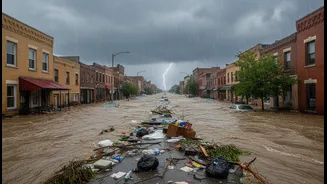
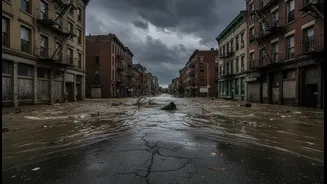
For millions in India's urban centres, the monsoon transforms a daily commute into an unpredictable nightmare. Roads disappear under knee-deep water, vehicles stall, and traffic slows to a crawl for hours on end. This isn't an isolated incident in one
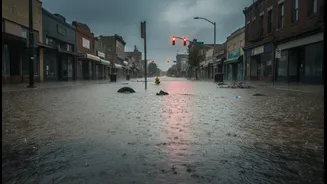
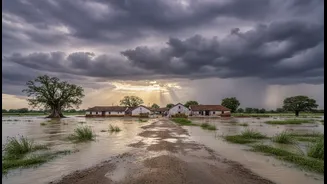
or two cities; it's a recurring, nationwide crisis. Recent reports from this monsoon season show familiar scenes of chaos in Delhi, Mumbai, and Gurugram, with inundated highways, uprooted trees, and stranded commuters. But to dismiss this as merely a “traffic jam” is to miss the point entirely. It is the most visible symptom of a far more complex and systemic failure that affects not just our travel time, but our economy, health, and quality of life.
The Anatomy of an Urban Flood
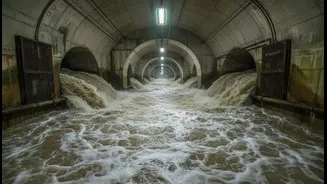
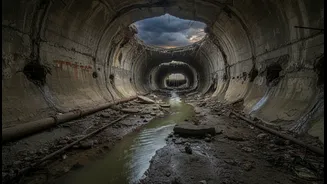
So, why do our cities drown so easily? The reasons are buried just beneath our feet. Firstly, our drainage systems are often woefully inadequate—many are colonial-era relics designed for much smaller populations and lower rainfall intensity. These outdated networks are frequently clogged with silt and improperly disposed solid waste, especially plastic, which severely reduces their capacity to carry away stormwater. Secondly, our cities have become vast stretches of concrete. Rapid, unplanned urbanisation has replaced natural sponges like lakes, wetlands, and soil with impervious surfaces like roads and buildings. With nowhere for the water to go, even moderate showers can lead to severe waterlogging. This issue is compounded by rampant encroachment on natural floodplains and water bodies, further shrinking the city's ability to absorb rainfall.
The Cascading Cost of Chaos
The connection between waterlogging and commute disruption creates a devastating domino effect. The economic cost is staggering. When transport grinds to a halt, goods can't move, employees can't get to work, and business activities are suspended. Logistics costs can increase by as much as 15% and transport times can lengthen by 40% during the monsoon. The shutdown of a major artery like the Mumbai-Pune Expressway can cost the economy hundreds of crores daily in logistics alone. Beyond the balance sheets, there is a profound human cost. Stagnant floodwaters, often mixed with sewage, become breeding grounds for diseases like dengue and malaria. Infrastructure like roads and buildings are damaged, sometimes leading to fatal collapses. The daily stress and uncertainty take a significant mental toll on citizens who are forced to navigate this predictable, yet unsolved, crisis year after year.
A Failure of Planning, Not Just Drains
Ultimately, the intertwined problem of flooding and traffic is a story of poor urban planning. Our cities have expanded explosively without a cohesive vision that integrates water management, transport infrastructure, and housing. Governance is often fragmented, with different agencies managing roads, drainage, and waste management in silos, leading to a lack of coordination and accountability. Development has been overwhelmingly car-centric, focused on building more flyovers and widening roads, which only increases impervious surfaces and often ignores the foundational need for robust drainage. Experts argue that until urban planning shifts its focus towards sustainability, walkability, and integrated systems, we will remain stuck in a reactive cycle of managing one crisis after another instead of building resilient cities.