







The Roar Returns: Safaris Fully Reopen
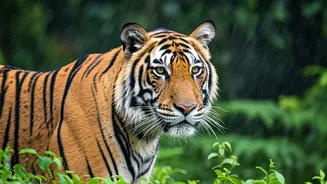
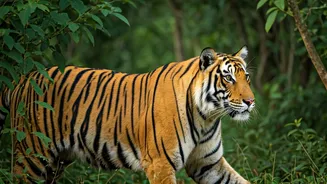
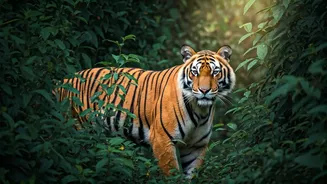
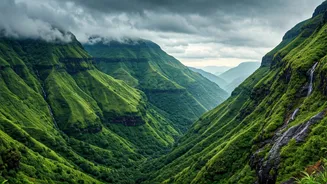
In a move celebrated by wildlife lovers across the country, the Karnataka government has announced the full resumption of jungle safaris in Bandipur and Nagarahole Tiger Reserves as of late June 2026. After a period of suspension and limited operations
that began in November 2025, all safari zones are now accessible, with vehicle quotas for both morning and evening sessions fully restored. This reopening brings an end to a long wait for tourists eager to experience two of India’s most celebrated biodiversity hotspots, renowned for their dense forests and remarkable populations of tigers, elephants, leopards, and other wildlife. The news has already sparked a surge in interest, with safari permits for July weekends being snapped up quickly by eager travellers, particularly from nearby Bengaluru.
A Calculated and Careful Comeback
This is not a simple return to business as usual, but a carefully managed comeback. The safaris were initially suspended following a rise in human-animal conflict incidents around the parks, a decision made to ensure the safety of both local communities and wildlife. The path to reopening was paved by a technical committee of scientists and wildlife experts who conducted a detailed study of the parks’ “scientific carrying capacity.” In simple terms, they determined the maximum number of visitors and vehicles the ecosystem can handle without causing stress to the animals or damage to their habitat. The government’s decision to accept these recommendations ensures that the renewed tourism operates within a regulated framework, striking a crucial balance between providing an immersive visitor experience and upholding the principles of conservation.
What This Means for Your Next Trip
For anyone planning a trip, the full reopening is fantastic news, but it pays to be prepared. With pent-up demand, booking in advance is more critical than ever. The most reliable way to secure a permit is through the official Karnataka Forest Department website, which provides real-time slot availability. Morning safaris generally run from 6:00 AM to 9:00 AM, with evening sessions from 3:00 PM to 6:00 PM. The different zones are known for different strengths; the famed Kabini reservoir area within Nagarahole is a hotspot for spotting leopards and large elephant herds, while Bandipur’s dry deciduous forests offer excellent opportunities for tiger sightings. Travellers should also be mindful of logistical details, such as the nightly closure of the highway passing through Bandipur, and plan their travel accordingly to avoid missing their safari slot.
A Lifeline for the Local Economy
The seven-month period of restricted activity took a significant toll on the region’s economy. The areas surrounding Bandipur and Nagarahole are dotted with resorts, homestays, and small businesses that are heavily dependent on tourism. Industry representatives reported that the suspension impacted thousands of local livelihoods and resulted in substantial revenue losses. The annual revenue from safaris alone is significant, a portion of which is mandated to be channeled back into local community development. Therefore, the reopening serves as a vital economic lifeline, restoring jobs and income for guides, drivers, and hospitality workers who are integral to the wildlife tourism ecosystem. The government has framed the move as part of its commitment to a sustainable tourism model that boosts the local economy while safeguarding ecological integrity.
Part of a Bigger Picture
The reopening of safaris is the most prominent part of a broader push to enhance Karnataka’s standing as a top eco-tourism destination. State-owned Jungle Lodges and Resorts, a pioneer in Indian eco-tourism, has announced plans for four new properties, including one at Nagarahole’s periphery and others in coastal and northern Karnataka. This expansion aims to open up new circuits and offer more diverse experiences, from classic wildlife safaris to water sports and nature parks. Furthermore, the state tourism department is working on launching curated tours that bundle wildlife experiences with visits to waterfalls and cultural sites, targeting different traveller groups with customisable itineraries. These initiatives show a concerted effort to not only recover from the recent disruptions but to build a more robust and geographically diverse tourism offering.