




The Seasonal Advantage
Eating seasonally is a tradition deeply rooted in Indian culture for good reason. When vegetables are purchased and consumed during their natural harvest time, they offer peak flavour and nutritional value. Produce that is grown out of season is often
harvested early and transported long distances, causing a significant loss of nutrients, such as Vitamin C, by the time it reaches your plate. In contrast, seasonal vegetables are fresher, richer in vitamins and antioxidants, and support better digestion. They are nature’s way of providing exactly what our bodies need during different times of the year, from cooling gourds in the summer to hearty root vegetables in the winter.
Better for Your Wallet
One of the most compelling reasons to switch to seasonal produce is the cost. When farmers have an abundant harvest of a particular crop, the price naturally drops. Buying vegetables like spinach, cabbage, carrots, and bottle gourd, which are often available and affordable, means you can pack your tiffin without straining your budget. By avoiding out-of-season produce that requires expensive transportation and storage, you pass those savings directly on to your own household, making your healthy eating goals financially sustainable.
Your All-Season Vegetable Guide
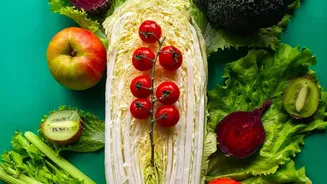
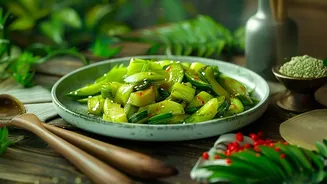
India's diverse climate offers a wonderful variety of produce throughout the year. In the hot summer months, look for hydrating vegetables like cucumber, bottle gourd (lauki), and ridge gourd (turai) to stay cool. The monsoon brings a bounty of greens like spinach (palak) and gourds like bitter gourd (karela). Winter is the perfect time for carrots (gajar), peas, cauliflower, and fenugreek (methi). Focusing on these seasonal stars ensures you get a wide range of nutrients and flavours all year round.
Meal Prep for a Stress-Free Week
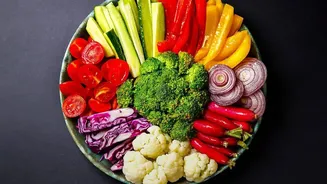
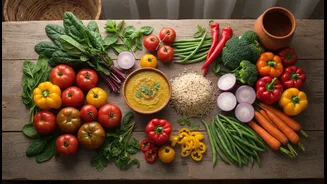
The key to a successful week of office lunches is a little Sunday planning. Dedicate an hour or two to meal prep to save yourself precious time on busy weekday mornings. You can wash and chop vegetables like carrots, bell peppers, and beans and store them in airtight containers. Cook a large batch of staples like dal, chana, or rajma that can be used in different combinations throughout the week. You can also prepare base gravies or chutneys in advance. This simple routine makes assembling a fresh, homemade lunch in the morning a quick 10-minute task rather than a stressful chore.
Easy and Nutritious Lunchbox Ideas
You don't need complicated recipes to eat well. A simple yet balanced Indian lunch often includes a protein source, a carbohydrate, and plenty of vegetables. Think of a vegetable pulao packed with seasonal veggies, a hearty sabzi made with whatever is fresh at the market paired with roti, or a colourful lentil salad. Paneer bhurji, moong dal cheela, and vegetable yogurt rice are other excellent options that are quick to prepare and easy to pack. These meals are not only delicious but also provide sustained energy to get you through your afternoon.