




The Healing Porridge of the Monsoon Month
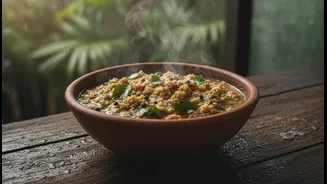
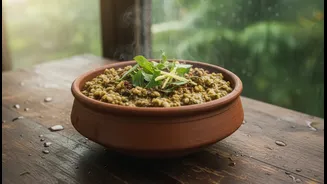
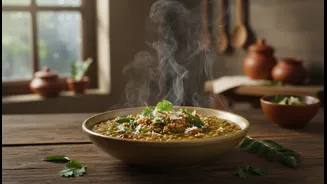
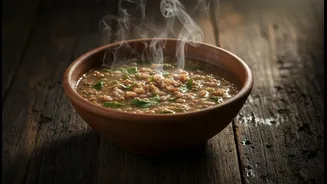
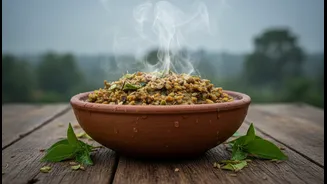
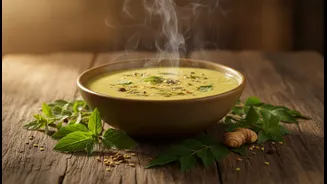
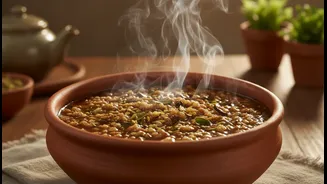
Every year, as the Malayalam month of Karkidakam begins around mid-July, kitchens in Kerala turn to a time-honoured practice: the preparation of Karkidaka Kanji. Also known as Oushadha Kanji (medicinal porridge), this isn't just a simple rice gruel; it's
a carefully formulated meal designed to heal and strengthen the body during the peak of the monsoon. According to Ayurveda, the rainy season, while romantic, is a period when our digestive fire (Agni) is weak and our bodies are more susceptible to illness. The damp, humid climate can aggravate the body's doshas, particularly Vata, leading to joint pains, low energy, and poor digestion. Karkidakam was historically seen as a challenging month of scarcity and illness, making it the perfect time for a focused regimen of rest, spiritual reflection (it's also called Ramayana Masam), and, most importantly, nourishing food.
A Pharmacy in a Bowl
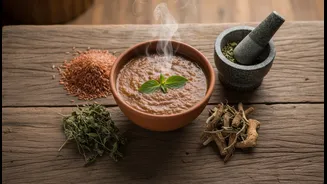
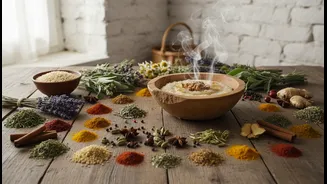
The secret to Karkidaka Kanji's efficacy lies in its ingredients, a potent blend of grains, herbs, and spices. The base is often Njavara rice, a medicinal variety native to Kerala, prized for being easy to digest and highly nourishing. To this, a host of powerful additions are made. Spices like fenugreek, cumin, dry ginger, and black pepper are used to rekindle the sluggish digestive fire and improve metabolism. The true medicinal power, however, comes from a collection of Ayurvedic herbs. Formulations like Dashamoola (a blend of ten roots) and Dashapushpam (ten sacred flowers) are often added to support immunity, reduce inflammation, and aid the body’s natural detoxification process. When cooked with coconut milk and a touch of jaggery, the result is a warm, comforting porridge that is consumed, ideally for a week or more, to reset the system for the season ahead.
Pantry Wisdom for Modern Times
The principles behind Karkidaka Kanji extend far beyond a single recipe. They embody a form of 'pantry wisdom' that is increasingly relevant to modern home cooks. At its core, this is about understanding that the kitchen can be a source of wellness. It's about seasonal eating—choosing foods that are naturally available and suited to the body's needs at a specific time of year. This wisdom isn't limited to Kerala. Across India, monsoon traditions reflect a similar understanding. In Rajasthan and Gujarat, a warm millet-based 'Raab' is prepared. In many South Indian homes, pepper rasam becomes a staple, providing warmth and aiding digestion. In Bengal, Khichuri is the ultimate monsoon comfort food. These dishes are all regional expressions of the same core idea: eating simple, warm, and easily digestible food during the rains.
From Tradition to Trend
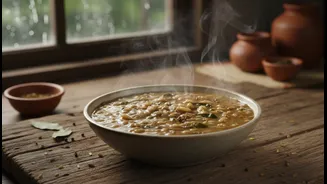
Today, as more people focus on gut health, immunity, and mindful eating, the logic of Karkidaka Kanji is resonating with a new generation. What was once a tradition passed down through grandmothers is now being discovered by urban home cooks and food enthusiasts. You no longer need to forage for rare herbs; convenient 'Kanji Kits' containing all the necessary dry ingredients are now widely available, making the tradition accessible to everyone. This revival is not just about nostalgia. It's a recognition that these ancient food systems contain profound knowledge. They remind us to listen to our bodies, eat in sync with nature's rhythms, and view food not just as fuel, but as medicine. The porridge bowl connects us to a larger story about how to live well, proving that sometimes the most enduring wisdom is found in the simplest of meals.