






What Exactly is Organic Neem Oil?
Neem oil is a natural, vegetable-based oil pressed from the seeds of the neem tree (Azadirachta indica), which is native to the Indian subcontinent. For centuries, it has been a staple in traditional agriculture for its pest-repelling and medicinal properties.
The key to its power lies in several active compounds, most notably azadirachtin. This compound is a potent insect growth regulator. When you choose a product labelled "100% cold-pressed," it means the oil was extracted without heat, preserving the highest concentration of these beneficial compounds. Avoid clarified or hydrophobic neem oil, as the azadirachtin has been removed, reducing its effectiveness.
A Double Defence for Tomatoes
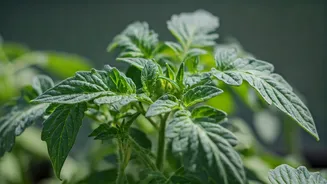
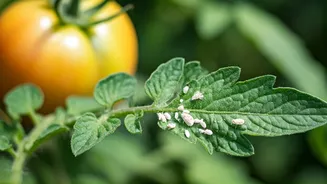
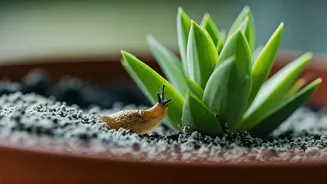
Tomato plants, especially in the close quarters of a balcony, are prone to a host of issues. Neem oil offers a two-pronged approach to plant protection. Firstly, it's a powerful pesticide against many common soft-bodied pests that plague tomatoes, such as aphids, whiteflies, and spider mites. Instead of killing them on contact like a harsh chemical, azadirachtin disrupts their hormonal systems, suppressing their appetite and preventing them from moulting and reproducing. Secondly, neem oil acts as a preventative fungicide. When sprayed on leaves, it can help inhibit the germination of fungal spores that lead to common tomato diseases like powdery mildew and even early blight.
How to Mix and Apply Your Spray
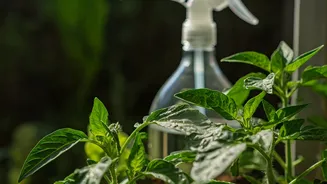
Using neem oil concentrate is more cost-effective and ensures a fresh batch each time. Since oil and water don't mix, you need an emulsifier. A common recipe for a foliar spray is to mix 1-2 teaspoons of 100% cold-pressed neem oil with a few drops of a mild, organic liquid soap in about a litre of warm water. The warm water helps keep the oil from solidifying. Shake the mixture vigorously in a spray bottle. The best time to apply it is during the early morning or late evening. Applying it in direct sun or high heat can cause the oil to burn the leaves. Be thorough, ensuring you coat all surfaces of the plant, especially the undersides of leaves where pests love to hide.
Establishing a Healthy Routine
Consistency is key to success with neem oil. For preventative care, it's best to spray your tomato plants every 7 to 14 days throughout the growing season. If you're already dealing with an active pest infestation or the first signs of a fungal disease, increase the frequency to once every 7 days until the problem is under control. It's important to understand that neem oil isn't an instant kill; it works by breaking the life cycle of pests, so it may take a few applications to see a significant reduction in their numbers. Another option is a soil drench, where you pour a couple of cups of the diluted mixture around the base of the plant every 2-3 weeks, allowing the roots to absorb it systemically.
Important Precautions for Balcony Gardeners
While neem oil is organic and considered safe for mammals, it's crucial to use it responsibly. The biggest concern for gardeners is often the impact on beneficial insects. While neem oil primarily affects insects that chew on leaves, it can harm pollinators like bees if they are directly sprayed. This is why applying it at dusk or dawn, when bees are not active, is so important. Once the spray has dried on the leaves, it is generally considered safe for pollinators. Always perform a patch test on a single leaf and wait 24 hours to ensure your plant doesn't have a negative reaction before spraying the entire plant. And of course, even with organic produce, it's always best to wash your homegrown tomatoes thoroughly before eating them.