



The Unexpected Breakfast Risk
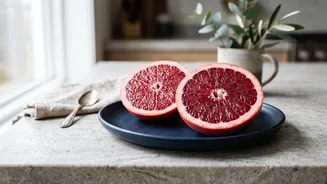
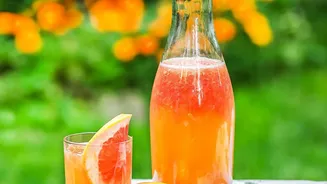
Many people rely on daily medications to manage heart conditions, high blood pressure, and cholesterol. These drugs are cornerstones of cardiovascular health. Yet, a surprising danger lurks in the breakfast glass. Certain citrus juices, most notably grapefruit
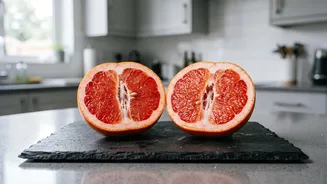
juice, can dramatically interfere with how these vital medications work. This isn't just a minor side effect; the interaction can turn a standard, safe dose of medicine into a dangerously potent one, increasing the risk of significant health complications. The warning applies not just to juice but to the whole fruit as well, and even products like marmalade made from certain citrus.
What's Happening Inside Your Body?
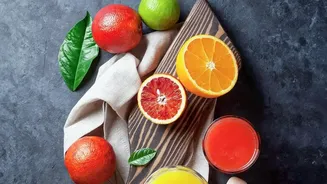
The problem lies with a group of natural compounds called furanocoumarins. These are found in high concentrations in grapefruit, as well as in Seville oranges (the kind often used for marmalade), pomelos, and tangelos. Our bodies, specifically the walls of our small intestine, are lined with an enzyme called CYP3A4. This enzyme acts like a gatekeeper, breaking down a portion of many oral medications before they ever enter the bloodstream. This 'first-pass metabolism' is a normal process that drug manufacturers account for when setting dosage levels. Furanocoumarins, however, block the action of CYP3A4. When the enzyme is inhibited, far more of the drug bypasses this initial breakdown and floods into the bloodstream.
More Drug, More Problems
When citrus juice blocks the CYP3A4 enzyme, it doesn't weaken the medication—it makes it much stronger. A standard dose can suddenly act like a triple or even quadruple dose. With certain cholesterol-lowering statins, for example, this can increase blood levels of the drug by as much as 15 times. This overdose effect dramatically raises the risk of severe side effects. For patients on statins, this could mean debilitating muscle pain or a rare but serious condition called rhabdomyolysis, which can lead to kidney failure. For those on certain blood pressure medications, it could cause a dangerous drop in blood pressure, leading to dizziness and fainting.
Which Medications Are at Risk?
A wide range of common cardiovascular drugs are affected. It's crucial to know if your medication is on the list. Key categories include: certain statins like atorvastatin (Lipitor), simvastatin (Zocor), and lovastatin; calcium channel blockers used for high blood pressure such as nifedipine (Procardia) and felodipine; drugs for abnormal heart rhythms like amiodarone (Cordarone); and some blood thinners like clopidogrel and warfarin. However, not all drugs in these classes are impacted. For instance, statins like pravastatin and rosuvastatin are metabolized differently and are generally considered safe to take with grapefruit. This is why it is essential to check with your doctor or pharmacist about your specific prescription.
Why Timing Doesn't Work
A common misconception is that you can avoid the interaction by simply separating your pill and your juice by a few hours. This is incorrect and dangerous. The effect of furanocoumarins is not short-lived. They irreversibly shut down the CYP3A4 enzymes they come into contact with. Your body must produce entirely new enzymes to restore its function, a process that can take over 24 hours. Some studies show the effect can last for up to three days after consuming just one glass of juice or one whole grapefruit. Therefore, there is no safe window to consume these specific citrus products if you are on an affected medication. Complete avoidance is the only sure way to prevent the interaction.
Your Action Plan for Safe Sipping
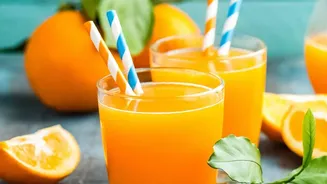
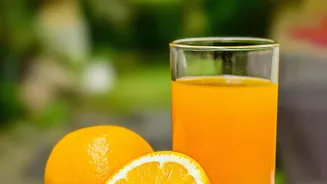
Navigating this issue requires caution but is straightforward. First and foremost, speak with your doctor or pharmacist. They can confirm if any of your medications interact with grapefruit or other citrus. Always read the patient information leaflet that comes with your prescription, as it will list any known food interactions. If your medication is on the interaction list, you must avoid grapefruit, pomelos, tangelos, and Seville oranges entirely. Remember to check the labels on juice blends and marmalades. Fortunately, many common citrus fruits are perfectly safe. Sweet oranges (like Navel and Valencia), lemons, and tangerines do not contain significant levels of furanocoumarins and generally do not pose a risk. Enjoying these can be a safe and healthy alternative.